Elite Willow, Elite Shots — Choosing the Bat That Matches Your Style

Selecting the right cricket bat isn’t just about picking a piece of wood — it’s about choosing a weapon that becomes an extension of your skill, strength, and cricketing personality. Every player has a unique way of holding the bat, judging the ball, timing their shots, and executing strokes. That’s why the perfect bat isn’t based on trends — it’s based on YOU.
From professional cricketers smashing big sixes with English willow to street players mastering timing with Kashmir willow, every bat is designed for a specific purpose, terrain, and technique. This blog breaks down everything you need to know to select a bat that matches your style, enhances your performance, and boosts your confidence.
Let’s dive deep into the world of willow, weight, profiles, sweet spots, and balance.
1. Understanding the Two Kings of Willow: English vs. Kashmir
Before choosing your perfect bat, you must understand the material. Bat performance heavily depends on the willow type.
English Willow — For Premium Feel & Maximum Punch
English willows are softer, high-performance woods known for:
- Superior stroke play
- Effortless timing
- Bigger sweet spots
- Better ping even with minimal effort
- Ideal for professional-level cricket
If your game is about finesse, timing, and elegant stroke play — English willow is your weapon.
Kashmir Willow — For Durability & Raw Power
Kashmir willow bats are:
- Harder and more durable
- More affordable
- Perfect for beginners and leather-ball training
- Better for powerful hitters
If your game is aggressive and power-driven, Kashmir willow can give you the punch you need without the premium cost.
2. Pick a Bat That Matches Your Playing Style
A. For Stroke Makers — Light & Balanced Bats
If you rely on timing the ball:
- Choose a lightweight bat (1100–1160 g)
- Look for mid-sweet spot
- Go for thin-to-medium edges
- Pick English willow for effortless stroke play
Perfect for:
- Cover drives
- Late cuts
- Flicks
- Straight bat shots
Your bat should help generate bat speed, not slow you down.
B. For Power Hitters — Heavy & Thick-Edged Bats
If you love big shots:
- Choose a bat around 1180–1250 g
- Look for lower sweet spot (ideal for Indian pitches)
- Pick thick edges (38–42mm)
- Choose a full profile bat
This style is ideal for:
- Big sixes
- Lofted drives
- Pull shots
- Finishing shots
C. For All-Rounders — Balanced Pickup & Mid-Sweet Spot
All-round players need versatility.
A bat with:
- Medium weight (1150–1200 g)
- Balanced pickup
- Mid-to-low sweet spot
is best.
Such bats support:
- Rotating strike
- Controlled shots
- Instant power when needed
It’s the perfect combination of technique and strength.
3. Sweet Spot — The Heart of Your Bat
The sweet spot determines:
- Power output
- Comfort
- Timing
- Stroke efficiency
Low Sweet Spot
- Best for Indian pitches with low bounce
- Ideal for big hitters
- Great for front-foot play
Mid Sweet Spot
- Versatile across formats
- Perfect for all-rounders
High Sweet Spot
- Rare but useful on fast, bouncy pitches
- Ideal for back-foot dominant players
Your sweet spot must align with your shot selection and pitch conditions.
4. Bat Profile Matters More Than You Think
Full Profile
- Maximum wood behind the stroke
- Powerful
- No concaving
- Used by hard hitters
Concave Profile
- Removes excess weight
- Lighter pickup
- Suited for stroke makers
Semi-Concave
- Balanced
- Best for intermediate players
Choosing the profile changes the feel, pickup, and swing speed of the bat.
5. Handle Type — Control Begins Here
The handle decides how well you control your bat.
Round Handle
- Better for wrists
- Perfect for flick shots
- Popular among Indian players
Oval Handle
- Superior stability
- Great for powerful strokes
Semi-Oval
- Perfect combination of control and comfort
If you play with your bottom hand, go for round handle.
If you need extra control, oval handle is the best.
6. Grip Texture — Your Connection With the Bat
Chevron Grip
- Light
- Great for bat control
Octopus Grip
- Strong hold
- Perfect for sweaty hands
Scale Grip
- Balanced feel
- Ideal for long innings
Never underestimate grip comfort — it directly affects your timing.
7. Bat Weight vs. Pickup — What Really Matters?
Most players think heavy bats hit bigger sixes. Not always.
Pickup is more important than visible weight.
A bat may weigh 1200 grams but feel like 1150 grams due to good balance.
You should always:
- Lift the bat
- Swing it
- Check how fast it moves
- Feel the balance
If the pickup feels natural, the bat will perform exceptionally.
8. Number of Grains — Does It Really Matter?
Higher Grains (8–12)
- Perform better
- Require more maintenance
- Available mostly in English willow
Lower Grains (4–7)
- More durable
- Better for beginners
- Usually Kashmir willow
Grain count affects performance but shouldn’t be your only deciding factor.
9. Knocking, Oiling & Maintenance
Even the best bat fails without proper preparation.
Knocking
- Strengthens the surface
- Prepares fibers to handle impact
- Essential for performance
Oiling
- Keeps the willow hydrated
- Prevents cracks
Protection
- Use:
- Toe guard
- Scuff sheet
- Grip replacement
- Protective covers
Your bat can serve you for seasons with proper maintenance.
10. Choosing a Bat That Matches YOU
Ask yourself:
Do I depend on timing or power?
Do I play front-foot or back-foot shots?
What format do I play most — T20, league matches, or practice?
Do I prefer light, medium, or heavy pickup?
What conditions do I play in — turf or cement?
Your answers decide the ideal bat.
Conclusion — Your Perfect Bat = Your Perfect Game
A bat is more than a cricketing tool — it’s your partner in performance.
Whether you’re a beginner, a club player, or a professional athlete, choosing the right willow enhances your shots, boosts confidence, and makes your game feel effortless.
Remember:
The right bat doesn’t just improve your performance — it transforms your entire playing experience.
SHOP NOW — Explore Premium Willow Bats from Heega
Related posts
 English Willow Cricket Bat Knocking-In Explained: Preparing the Blade Before Match UseLearn how to knock in an English Willow cricket bat, prepare the blade before match use, avoid common mistakes, and protect your bat from premature damage.
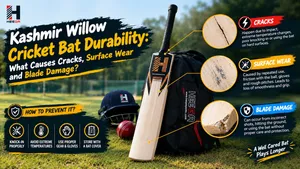 Kashmir Willow Cricket Bat Durability: What Causes Cracks, Surface Wear and Blade Damage?Discover what affects Kashmir Willow cricket bat durability, why cracks and surface damage occur, and how proper care can extend your bat's lifespan.
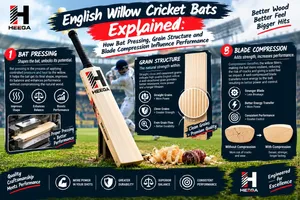 English Willow Cricket Bats Explained: How Bat Pressing, Grain Structure and Blade Compression Influence PerformanceLearn how English willow bat pressing, grain structure, and blade compression influence performance, durability, shot response, and bat selection.