From Bat to Boots: How the Right Cricket Gear Supports Better Performance

A complete guide to choosing cricket equipment that supports better batting, bowling, fielding, movement, comfort, and confidence
Cricket performance is built through many small details.
Technique matters.
Training matters.
Fitness matters.
Mental preparation matters.
But there's another part of the equation that players shouldn't overlook:
Equipment.
From the bat in your hands to the shoes on your feet, every piece of cricket gear has a job.
The right equipment won't replace hard work. But it can help you perform your skills with greater comfort, control, confidence, and freedom of movement.
The wrong equipment can do the opposite.
A bat that feels too heavy can affect bat speed.
Gloves that don't fit properly can affect your grip.
Pads that are too bulky can restrict movement.
A poorly fitted helmet can become distracting.
Shoes that don't suit the playing surface can affect traction.
This is why smart equipment selection matters.
At Heega Sports, we believe cricket gear should support the player rather than become another problem to manage.
Let's look at how the right equipment can support your game—from bat to boots.
1. Your Cricket Bat Is Your Most Personal Tool
For a batter, the bat is more than equipment.
It's the tool through which your technique becomes a shot.
That's why bat selection should be personal.
Instead of choosing a bat simply because it has a large profile or impressive-looking edges, consider:
- Weight
- Pickup
- Balance
- Sweet-spot position
- Handle
- Grip
- Profile
- Willow type
A bat should feel manageable when you use your normal stance and backlift.
The best bat isn't necessarily the biggest.
It's the one you can control confidently.
2. Bat Pickup Can Influence Your Movement
Two bats can have exactly the same listed weight but feel completely different.
That's because weight distribution affects pickup.
A bat with good pickup may feel easier to maneuver.
A bat with more weight concentrated farther from your hands may feel heavier.
This matters when you need to react quickly.
You may need to:
- Adjust your backlift
- Change your shot
- Play late
- Move your hands quickly
- Generate bat speed
A manageable pickup can help your bat feel more natural during these movements.
3. The Sweet Spot Matters—but It's Not Everything
The sweet spot is the area of the blade designed to provide an efficient response when you strike the ball cleanly.
Its position varies between bat designs.
Some bats have higher sweet spots.
Others have centrally positioned or lower sweet spots.
The ideal position depends on your playing style and conditions.
Don't choose a bat solely because someone says a particular sweet spot is "best."
Ask:
Where do I normally score my runs, and what conditions do I play in?
That's a much more useful question.
4. Batting Gloves Connect You to the Bat
Your gloves aren't just protective equipment.
They influence how securely and comfortably you hold the bat.
A good pair should provide an appropriate balance of:
- Protection
- Grip
- Flexibility
- Finger movement
- Wrist comfort
- Secure fit
If the gloves are too loose, they may shift.
If they're too tight, they may restrict movement.
The right fit should allow you to grip the bat naturally without distraction.
5. Helmet Fit Should Never Be an Afterthought
A helmet is one of the most important protective products in cricket.
Fit matters.
A suitable helmet should remain stable while allowing:
- Clear vision
- Comfortable movement
- Appropriate face protection
- Secure chin-strap adjustment
- Suitable ventilation
When trying one, don't simply stand still.
Move your head.
Take your batting stance.
Look around.
Check the grille position.
Make sure the helmet remains secure.
Always follow the manufacturer's sizing and safety guidance.
6. Batting Pads Should Protect Without Getting in the Way
Pads have a straightforward purpose:
Protect your legs.
But they also need to work with your footwork.
You may need to move:
- Forward
- Backward
- Across the crease
- Between wickets
- During defensive movements
When choosing pads, consider:
- Protection
- Weight
- Fit
- Knee alignment
- Straps
- Mobility
- Comfort
Lightweight pads can make movement feel easier, but don't sacrifice appropriate protection simply to reduce weight.
7. Cricket Shoes Are Your Connection to the Pitch
This is where the "boots" part of the equation becomes important.
Every cricket movement starts from the ground.
A batter moves into position.
A bowler accelerates through the run-up.
A fielder sprints toward the ball.
Your shoes provide the connection between your body and the playing surface.
That's why surface compatibility matters.
Consider whether you play primarily on:
- Natural grass
- Artificial turf
- Hard training surfaces
- Damp grounds
- Dry grounds
Choose footwear appropriate for the surface and follow manufacturer recommendations.
8. Good Footwear Can Support Better Footwork
Footwork requires confidence.
Imagine moving forward for a drive while worrying about slipping.
Or sprinting toward a catch while you're unsure about your traction.
Even a small amount of hesitation can affect movement.
Suitable cricket footwear can help you feel more secure and confident on the appropriate surface.
It doesn't replace footwork training.
It simply gives your technique a better foundation.
9. Fast Bowlers Need to Pay Attention to Footwear
Fast bowling creates repeated stress on the feet and legs.
A bowler's footwear needs to work through:
- Run-up
- Acceleration
- Delivery stride
- Braking
- Repeated bowling
Comfort and stability matter particularly during long training sessions.
If your shoes become uncomfortable during repeated bowling, it's worth reassessing whether they're appropriate for your surface and workload.
10. Fielders Need Freedom to Move
Fielding can change in an instant.
One delivery you're standing still.
The next you're sprinting.
Then you may need to stop, turn, dive, or throw.
Equipment should allow these movements rather than restrict them.
This makes comfortable clothing and suitable footwear important for active fielders.
11. Cricket Clothing Is Part of Your Performance Kit
Clothing doesn't score runs.
But uncomfortable clothing can become a distraction.
Look for suitable:
- Fit
- Breathability
- Flexibility
- Moisture management
- Durability
Your cricket clothing should allow natural movement during batting, bowling, and fielding.
Long matches make comfort even more important.
12. Cricket Bags Help You Stay Organized
A cricket bag may not directly improve technique.
But organization has value.
A good bag can help you keep:
- Bat
- Gloves
- Pads
- Helmet
- Shoes
- Clothing
- Accessories
in their proper places.
When match preparation becomes easier, you can spend less time searching for equipment and more time preparing to play.
Look for suitable storage, durability, ventilation, and comfortable carrying options.
13. Protective Accessories Complete the Kit
Depending on your role and level, additional protection may include:
- Abdominal guards
- Thigh guards
- Arm guards
- Chest protection
- Inner gloves
- Wicketkeeping protection
Not every player needs every product.
Choose based on the demands of your role and your playing environment.
Protection should always be appropriate and properly fitted.
14. Training Equipment Supports Improvement
Your match equipment isn't the only equipment that matters.
Training equipment can help you develop specific skills.
Depending on your goals, you may use:
- Training balls
- Cones
- Stumps
- Batting targets
- Throw-down equipment
- Agility equipment
- Practice nets
The important question isn't:
"Does this equipment look professional?"
It's:
"What skill does this equipment help me practice?"
15. Equipment Should Match Your Playing Style
Every cricketer is different.
A defensive opener may prioritize control and comfort.
An aggressive middle-order batter may prioritize maneuverability and bat speed.
A fast bowler may prioritize footwear and stability.
A wicketkeeper may have completely different requirements.
Don't build your kit around someone else's cricket.
Build it around your own.
16. Don't Copy a Professional Player's Kit Blindly
Professional players can inspire us.
But their equipment choices may reflect:
- Customized equipment
- Personal technique
- Physical conditioning
- Professional fitting
- Specific playing conditions
- Years of experience
Instead of copying their exact equipment, copy their approach.
They understand what works for them.
You should aim to understand what works for you.
17. Fit Often Matters More Than Price
A premium product that's the wrong size isn't a good product for you.
This applies to:
- Helmets
- Gloves
- Pads
- Shoes
- Clothing
Correct fit can improve comfort and stability.
Before purchasing, test movement whenever possible.
Walk.
Bend.
Grip.
Take your stance.
Move sideways.
Simulate your normal cricket movements.
18. Don't Assume More Expensive Means Better
Cricket equipment comes at many price points.
You don't always need the most expensive option.
A good purchase should provide the features you actually need.
Think about:
Fit + Function + Protection + Comfort + Durability + Value
rather than simply:
Price = Quality
19. Maintain Your Equipment
Even excellent equipment needs care.
After use:
- Dry wet equipment appropriately
- Air out gloves
- Inspect protective equipment
- Clean shoes according to manufacturer instructions
- Check straps
- Store your bat correctly
- Keep your bag organized
Regular maintenance can help preserve performance and identify problems early.
20. Know When to Replace Your Gear
Protective equipment should be inspected regularly.
Look for:
- Cracks
- Broken straps
- Damaged padding
- Loose components
- Excessive wear
- Structural damage
If equipment has experienced a significant impact, follow the manufacturer's recommendations regarding inspection or replacement.
Don't compromise safety to extend the life of a product.
The Complete Cricket Gear Formula
Think of your equipment as a system:
Bat + Gloves + Helmet + Pads + Shoes + Clothing + Accessories = Your Performance Platform
Every component should serve a purpose.
And when the components work well together, you can focus more completely on your cricket.
Build Your Kit Around Your Priorities
If you're building or upgrading your kit, you don't have to replace everything at once.
Start with the equipment that matters most to your role.
For Batters
Prioritize:
- Bat
- Gloves
- Helmet
- Pads
- Shoes
For Fast Bowlers
Prioritize:
- Appropriate footwear
- Comfortable clothing
- Training equipment
- Protective equipment
- Role-specific accessories
For Wicketkeepers
Prioritize:
- Wicketkeeping gloves
- Helmet
- Pads
- Protective accessories
- Shoes
Then upgrade other equipment as your needs develop.
The Smart Gear Checklist
Before buying cricket equipment, ask:
☑ Does it fit correctly?
☑ Does it suit my playing role?
☑ Does it match my playing conditions?
☑ Is it comfortable?
☑ Does it allow natural movement?
☑ Does it provide appropriate protection?
☑ Is it durable enough for my usage?
☑ Do I actually need the features it offers?
☑ Have I checked the manufacturer's specifications?
☑ Have I tested it with realistic movement?
If the answers are positive, you're likely making a much more informed choice.
What the Right Gear Can Actually Do
Let's be realistic.
The right gear won't:
- Fix your batting technique
- Increase your fitness overnight
- Improve your decision-making automatically
- Make you a better bowler instantly
- Replace quality practice
But it can help:
- Improve comfort
- Reduce distractions
- Support natural movement
- Provide appropriate protection
- Improve confidence
- Help you maintain control
Those benefits may seem small.
But cricket is often decided by small details.
Final Thoughts
From the moment you pick up your bat to the moment you take your boots off after a long day, your equipment plays a supporting role in your cricket.
The right bat can help you feel more in control.
The right gloves can provide a secure connection to the handle.
A properly fitted helmet can provide appropriate protection and confidence.
Well-designed pads can protect without unnecessarily restricting movement.
Suitable shoes can provide a reliable connection to the playing surface.
Comfortable clothing can help you stay focused throughout a long match.
And an organized bag can make preparation easier.
At Heega Sports, we help cricketers build practical, performance-focused kits with cricket bats, helmets, batting gloves, pads, cricket shoes, bags, accessories, and sportswear.
The goal isn't to own the biggest collection of cricket gear.
It's to own the right gear for your cricket.
So before your next purchase, ask yourself:
"Will this equipment help me play more comfortably, confidently, and naturally?"
If the answer is yes, you're not just buying equipment.
You're investing in a better platform for your game.
Shop Now
Heega Sports – Helping Players Turn Practice Skills Into Match-Day Performance.
Related posts
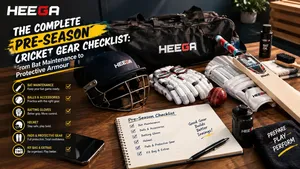 The Complete Pre-Season Cricket Gear Checklist: From Bat Maintenance to Protective Armour.Get match-ready with the ultimate pre-season cricket gear checklist. Learn how to inspect, restore, and maintain your bats, protective armour, spikes, and kit bag.
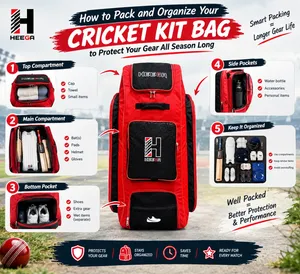 How to Pack and Organize Your Cricket Kit Bag to Protect Your Gear All Season LongLearn how to pack and organize your cricket kit bag properly to protect your bat, gloves, pads, helmet, shoes, and other gear throughout the cricket season.
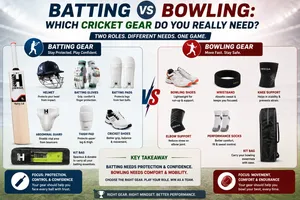 Batting vs Bowling: Which Cricket Gear Do You Really Need?Learn the essential cricket gear needed for batting and bowling. Compare bats, gloves, pads, helmets, shoes, protective equipment, and training gear.