From Cricket Bag to Boundary Line: How Players Organize Their Match-Day Gear.

Introduction: Preparation Starts Before the First Ball
A cricket match does not begin when the umpire calls play.
For players, preparation starts much earlier.
Long before the first delivery, cricketers are checking their bats, arranging protective equipment, preparing clothing, packing accessories, and making sure nothing important has been forgotten.
A well-organized cricket bag may not attract attention from spectators, but it can make a major difference to a player's match-day experience.
Imagine reaching the ground and discovering that your batting gloves are missing.
Or realizing your spare shirt is still at home.
Or finding that your shoes are unsuitable for the playing surface.
Small problems can create unnecessary stress before the match has even started.
Good preparation removes those distractions.
From junior players and academy cricketers to club and professional players, organizing equipment is an important part of becoming prepared and responsible.
Across Nepal, Germany, the United States, Canada, the Netherlands, and the United Kingdom, players may have different playing environments, but the principle remains the same:
Arrive prepared, organized, and ready to play.
Why Match-Day Organization Matters
A cricket kit contains many different items.
Depending on the player's role, the bag may include:
- Cricket bats.
- Batting gloves.
- Batting pads.
- Helmet.
- Abdominal guard.
- Shoes.
- Cricket clothing.
- Balls.
- Towels.
- Accessories.
Keeping everything organized makes it easier to find equipment quickly.
Start with the Cricket Bat
For most batters, the bat is the most important item in the kit.
Players may carry:
- A primary match bat.
- A backup bat.
- Practice bats.
The bat should be protected inside the kit bag or bat cover when it is not being used.
This helps reduce unnecessary damage during transportation.
Check the Bat Before Leaving Home
A quick inspection can prevent problems later.
Players should look for:
- Visible cracks.
- Loose grips.
- Damage to the toe.
- Loose stickers.
- General surface condition.
A few minutes of checking can save considerable frustration at the ground.
Keep Batting Gloves Easily Accessible
Batting gloves should not be buried beneath clothing and accessories.
Players often need them shortly before batting.
Keeping gloves in an accessible compartment helps save time.
It also reduces the chance of forgetting them during a busy match day.
Batting Pads Need Proper Storage
Batting pads are larger than many other pieces of equipment.
They should be placed carefully inside the kit bag rather than forced into a crowded compartment.
Proper storage helps prevent unnecessary bending and damage.
Helmets Should Be Protected
A cricket helmet is an important piece of protective equipment.
Players should avoid placing heavy objects on top of it.
The helmet should be stored in a position that protects its shell and grille from unnecessary impact during transportation.
Don't Forget the Abdominal Guard
An abdominal guard is small and easy to overlook.
Because it is essential protective equipment, players should make it part of their standard pre-match checklist.
A simple routine can prevent forgetting it.
Cricket Shoes Should Be Prepared Separately
The correct footwear depends on the playing surface.
Players may use:
- Spiked cricket shoes.
- Rubber-soled cricket shoes.
- Training footwear.
Shoes should be cleaned after matches and allowed to dry properly before being packed away.
Clothing Is Part of Match Preparation
A complete match-day clothing setup may include:
- Playing shirt.
- Cricket trousers.
- Socks.
- Inner layers.
- Training clothing.
- Warm-up clothing.
Players should also consider weather conditions.
A cooler morning and a warm afternoon may require different layers.
Carry a Towel
A towel is one of the simplest but most useful cricket accessories.
Players can use it to:
- Dry their hands.
- Clean equipment.
- Remove moisture.
- Manage sweat.
It becomes particularly useful during humid conditions or evening matches.
Water and Hydration Matter
Players should arrive prepared to stay hydrated.
A suitable water bottle should be packed before leaving for the ground.
Long matches and training sessions can place significant demands on the body.
Hydration should therefore be part of the preparation routine.
Keep Small Accessories Together
Small items can easily disappear inside a large cricket bag.
Players can use separate compartments or small pouches for:
- Bat grips.
- Tape.
- Sunglasses.
- Personal accessories.
- Protective items.
Organization becomes much easier when small objects have designated places.
Carry Extra Equipment When Possible
Experienced players understand that equipment can fail unexpectedly.
Depending on the level of play, useful backup items may include:
- Spare gloves.
- Extra socks.
- Additional grips.
- Backup clothing.
- Spare laces.
- Extra training balls.
A backup item may seem unnecessary until it becomes urgently needed.
What Should Bowlers Carry?
Bowlers may need many of the same items as batters.
However, their preparation can place greater emphasis on:
- Bowling shoes.
- Training clothing.
- Recovery accessories.
- Towels.
- Hydration.
Fast bowlers in particular need to remain physically prepared throughout long matches.
What Should Wicketkeepers Carry?
Wicketkeepers have additional equipment requirements.
Their kit may include:
- Wicketkeeping gloves.
- Inner gloves.
- Leg guards.
- Helmet.
- Protective equipment.
- Backup gloves.
Keeping specialized equipment organized is particularly important for wicketkeepers.
All-Rounders May Need More Equipment
All-rounders perform multiple roles.
They may need:
- Batting equipment.
- Bowling equipment.
- Protective gear.
- Multiple footwear options.
Their bags can therefore become particularly full.
Organization helps them transition between roles without unnecessary delays.
What Coaches Should Keep in Mind
Coaches and academy players may carry additional training equipment.
This can include:
- Cones.
- Training balls.
- Throw-down equipment.
- Stumps.
- Batting aids.
- Fielding equipment.
Keeping these items organized makes team sessions more efficient.
Organize Your Bag by Frequency of Use
A simple method is to place frequently used items where they are easiest to reach.
For example:
Top or Easy-Access Section
Keep:
- Gloves.
- Towel.
- Water bottle.
- Sunglasses.
Main Equipment Section
Store:
- Pads.
- Clothing.
- Protective gear.
Bat Compartment
Keep:
- Match bat.
- Backup bat.
This approach reduces unnecessary searching.
Check the Weather Before Packing
Weather can change what you need to carry.
A hot day may require:
- Extra water.
- Towels.
- Lightweight clothing.
A cold day may require:
- Warm-up layers.
- Sweatshirts.
- Additional clothing.
Wet conditions may require:
- Towels.
- Spare socks.
- Waterproof protection for equipment.
Preparation should match the environment.
Playing Under Lights Requires Extra Awareness
Day-night matches can create different conditions.
Players may want to prepare:
- Additional layers.
- Towels.
- Suitable footwear.
- Equipment protection against moisture.
Evening dew can make surfaces and equipment damp.
Keeping a dry towel available can be especially useful.
Junior Players Should Learn to Pack Their Own Gear
Parents often organize everything for young cricketers.
That is understandable.
However, children should gradually learn to take responsibility for their own equipment.
They can begin by checking:
- Bat.
- Gloves.
- Pads.
- Helmet.
- Shoes.
- Clothing.
- Water bottle.
This builds independence and match-day discipline.
A Simple Pre-Match Checklist
Before leaving home, players can quickly check:
Batting Equipment
- Bat.
- Bat cover.
- Gloves.
- Pads.
- Helmet.
Clothing
- Playing shirt.
- Trousers.
- Socks.
- Training clothes.
Footwear
- Cricket shoes.
- Backup footwear if necessary.
Accessories
- Towel.
- Water bottle.
- Sunglasses.
- Personal items.
Backup Items
- Spare gloves.
- Extra socks.
- Bat grip.
- Tape.
A checklist takes only a minute but can prevent major problems.
Clean Your Equipment After Every Match
Match-day organization does not end when the game finishes.
Players should inspect and clean their equipment before putting it away.
This includes:
- Removing dirt from shoes.
- Drying wet clothing.
- Cleaning gloves.
- Checking pads.
- Inspecting the bat.
- Emptying unnecessary items.
A clean kit is easier to organize before the next match.
Don't Leave Wet Equipment Inside the Bag
This is an especially important habit.
Wet clothing, towels, or equipment should not remain inside a closed kit bag for long periods.
Moisture can create unpleasant odours and may contribute to material deterioration.
Allow equipment to dry properly before long-term storage.
Take Care of Your Cricket Bat
A cricket bat deserves particular attention.
Players should avoid:
- Leaving it exposed to unnecessary moisture.
- Throwing it into a crowded bag.
- Using it for inappropriate surfaces.
- Ignoring cracks or damage.
Proper maintenance can help extend its useful life.
Why the Cricket Kit Bag Matters
The kit bag is more than a container.
It helps players:
- Protect equipment.
- Organize accessories.
- Transport gear efficiently.
- Prepare quickly.
A well-designed cricket bag should provide enough space while remaining practical to carry.
Choosing the Right Cricket Kit Bag
When selecting a cricket kit bag, players should consider:
- Capacity.
- Number of compartments.
- Bat storage.
- Durability.
- Handles.
- Wheels.
- Ventilation.
- Ease of access.
The ideal choice depends on how much equipment the player normally carries.
Nepal: Growing Players Need Better Organization
As cricket participation continues growing in Nepal, young players are increasingly carrying more specialized equipment to training sessions and matches.
Learning how to organize gear early can build strong habits that remain useful throughout a cricket career.
Germany: Practical Preparation for Club Cricket
German cricket players often balance training, club matches, and different playing environments.
An organized kit makes it easier to arrive prepared for each session.
United States: New Players Are Building Cricket Habits
As cricket grows in the USA, more players are becoming familiar with the equipment required for competitive cricket.
Learning basic kit organization can make the transition into the sport much easier.
Canada: Preparation Across Changing Seasons
Canadian players may experience significant seasonal differences.
Their match-day bags may therefore need to accommodate changing clothing and playing requirements.
The Netherlands: Organization Supports Consistent Training
Dutch cricket's emphasis on disciplined development extends naturally to equipment preparation.
A well-organized kit helps players focus on training rather than searching for missing gear.
United Kingdom: Match-Day Habits Built Through Tradition
The UK's long cricket tradition has helped establish strong preparation routines among clubs, academies, and competitive teams.
Packing and maintaining equipment is an important part of those habits.
How Heega Sports Helps Players Prepare
At Heega Sports, we understand that every match begins with proper preparation.
Our cricket equipment range supports players throughout their match-day routine.
Products include:
- Kashmir Willow cricket bats.
- Cricket kit bags.
- Leather cricket balls.
- Practice balls.
- Batting gloves.
- Batting pads.
- Cricket helmets.
- Cricket shoes.
- Wicketkeeping equipment.
- Practice nets.
- Training accessories.
The right equipment, combined with good organization, helps players arrive at the ground ready to focus on cricket.
Final Thoughts
A successful match-day routine is built long before the first ball.
Players check their bats.
They organize their protective equipment.
They prepare their clothing.
They pack their shoes and accessories.
They carry backup items when necessary.
Then, after the match, they clean and maintain everything before the next game.
These habits may seem small, but they teach an important lesson about cricket:
Preparation creates confidence.
From Nepal and Germany to the United States, Canada, the Netherlands, and the United Kingdom, cricketers at every level can benefit from becoming more organized.
The scoreboard may record what happens during the match.
But good preparation starts before you ever walk onto the boundary line.
🏏 Prepare for Your Next Match with Heega Sports
Explore cricket kit bags, Kashmir Willow cricket bats, leather cricket balls, practice balls, batting gloves, batting pads, helmets, cricket shoes, practice nets, wicketkeeping equipment, and training accessories for players at every level.
Shop Now
Heega Sports – Helping Every Cricketer Pack Better, Prepare Better, and Play Better.
Related posts
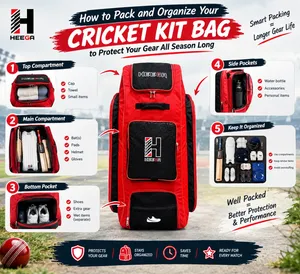 How to Pack and Organize Your Cricket Kit Bag to Protect Your Gear All Season LongLearn how to pack and organize your cricket kit bag properly to protect your bat, gloves, pads, helmet, shoes, and other gear throughout the cricket season.
 How Kids Learn to Read a Cricket Ball: Understanding Line, Length, Bounce and Shot SelectionLearn how kids can read a cricket ball by understanding line, length, bounce and shot selection to develop better batting skills and confidence.
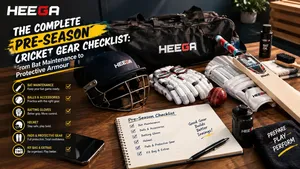 The Complete Pre-Season Cricket Gear Checklist: From Bat Maintenance to Protective Armour.Get match-ready with the ultimate pre-season cricket gear checklist. Learn how to inspect, restore, and maintain your bats, protective armour, spikes, and kit bag.