Grip, Weight, and Willpower: The Trinity of Great Batting
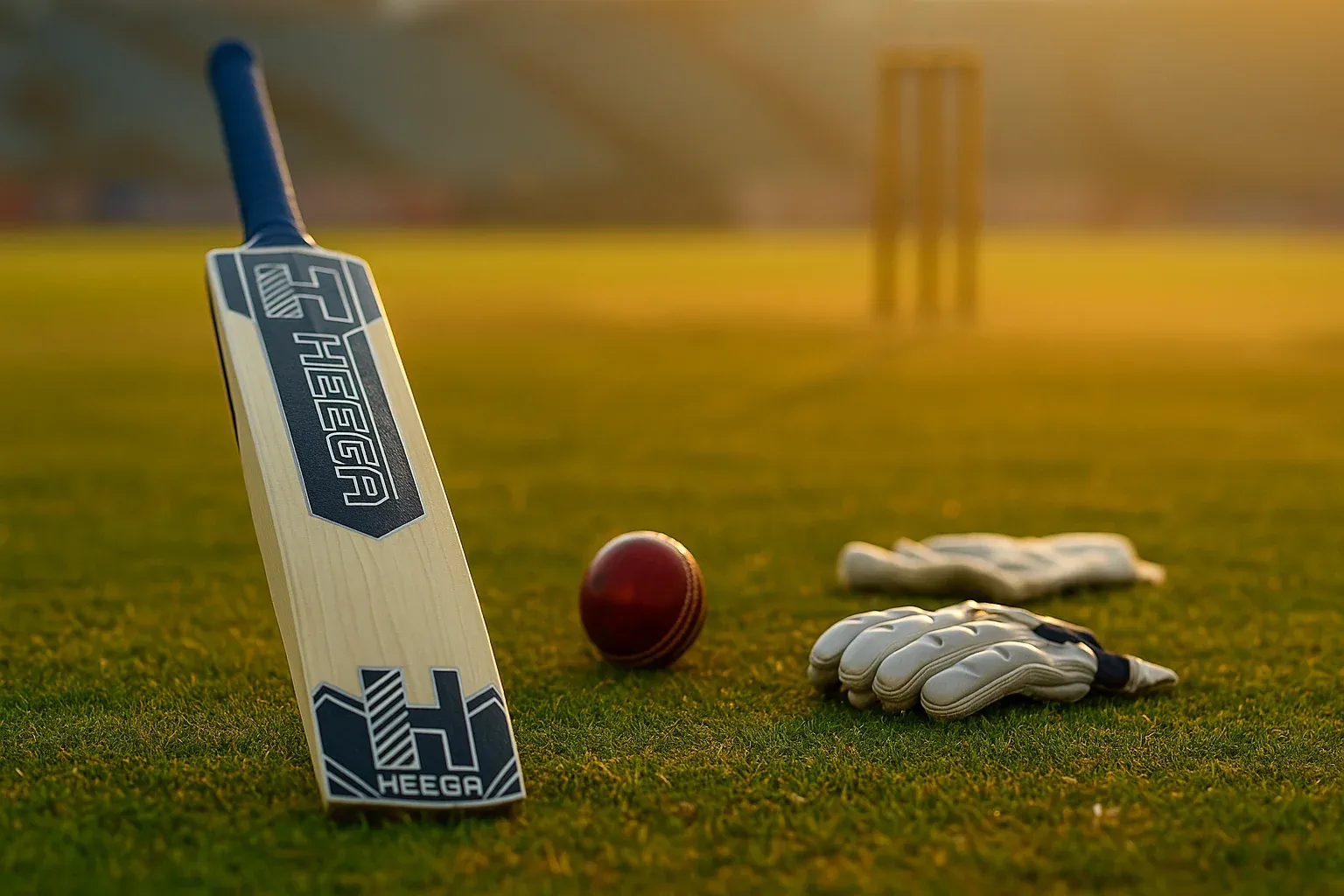
When a batter walks to the crease, it’s not just the bat in his hands — it’s a fusion of skill, mindset, and precision equipment that determines what happens next. Every great shot you see — whether it’s a delicate late cut or a monstrous six over long-on — is born from three crucial elements: grip, weight, and willpower.
While the willow and craftsmanship of a bat often get the spotlight, it’s these subtle yet powerful factors that separate good players from great ones. Let’s explore how each of these — your grip, the weight of your bat, and your willpower — defines your batting performance and helps you unlock your true potential.
1. The Foundation: Finding the Perfect Grip
A bat without the right grip is like a race car without traction. The way you hold the bat determines how much control, power, and timing you can produce. Your grip isn’t just about comfort — it’s about communication. It’s how you tell your bat where to go, how fast, and how hard.
1.1 Types of Cricket Grips
There are different styles of grips suited for different batting techniques:
- Top-Hand Dominant Grip:
Ideal for players who rely on timing and placement. The top hand controls the stroke while the bottom hand supports the motion. - Bottom-Hand Dominant Grip:
Common among aggressive players who love to lift the ball. It allows more freedom of movement but can sometimes compromise control. - Neutral Grip:
A balanced approach that gives a blend of control and power — often favored by technically sound players.
Each player develops a personal preference over time. The key is to ensure your grip allows fluid wrist movement, comfort during long innings, and no excess strain on your forearms.
1.2 The Role of Bat Handle and Grip Texture
Your handle and its covering can make a huge difference. A good-quality rubber grip not only prevents slipping but also absorbs shock from high-speed deliveries. Many professionals use chevron or spiral-patterned grips for added traction.
Modern bat grips are also multi-textured — thicker near the top for stability and thinner near the bottom for better control. The goal is to maintain a connection that feels natural and secure, even during aggressive stroke play.
1.3 Customization for Comfort
Some players double up on grips to get the perfect thickness; others slightly adjust their top-hand position. Whatever your style, your grip should feel like an extension of your body — not a tool you’re fighting to control.
As cricket legend Sachin Tendulkar once said,
“Your hands should feel like they’re shaping the ball, not forcing it.”
2. The Power Source: Understanding Bat Weight
The weight of your bat is not just a number — it’s the heartbeat of your batting rhythm. Too heavy, and you lose timing. Too light, and you lose power. Finding the balance is what transforms your stroke play from ordinary to exceptional.
2.1 The Myth of Heavy Bats
Many players believe that a heavier bat automatically delivers more power. While it’s true that mass contributes to the energy behind a shot, swing speed and timing are far more critical.
A well-timed shot with a perfectly balanced bat will travel farther than a mistimed hit with a heavy one. The key is not how much your bat weighs — it’s how efficiently you can swing it.
2.2 Balance Over Bulk
Modern bat manufacturing has evolved to prioritize balance. Advanced design techniques like:
- Mid-to-low sweet spots for better pick-up,
- Lightweight pressing, and
- Precision shaping
… allow even lighter bats to deliver enormous power.
When a bat feels “right,” it means its weight distribution matches your natural swing arc. That’s what professionals mean when they say a bat has a good pickup — it feels lighter than it actually is.
2.3 The Role of Bat Profile and Handle Shape
Bat balance isn’t just about total weight; it’s also about where that weight is distributed.
- Mid-profile bats are ideal for all-round stroke makers.
- Low-profile bats favor subcontinent pitches with lower bounce.
- High-spine designs give added punch for hard-hitting.
Similarly, round handles give flexibility for wristy shots, while oval handles provide stability for front-foot drives.
Choosing the right combination gives you both bat speed and control, the true essence of great batting.
2.4 The Science Behind Swing Speed
A light, balanced bat enables faster swing acceleration. Think of it as a physics equation — Force = Mass × Acceleration.
If you can swing faster, you can generate the same (or greater) impact force even with a slightly lighter bat. That’s why players like Virat Kohli and Joe Root prefer medium-weight, perfectly balanced bats — not the heaviest ones available.
3. The Game-Changer: Willpower and the Mental Game
Cricket is as much a mental contest as a physical one. A well-balanced bat and a strong grip can only do so much without the mental willpower to back them up.
3.1 Focus and Discipline
When the bowler charges in at 145 km/h, your reactions depend not just on reflexes but on mental clarity. Training your mind to stay calm under pressure ensures that your grip and swing remain consistent — even when adrenaline surges.
Professional players use breathing exercises, visualization, and match simulations to maintain focus. A steady mind equals a steady bat.
3.2 Confidence Through Consistency
Your equipment choices directly impact your confidence. When your grip feels perfect and your bat weight matches your rhythm, you automatically step in with more assurance. This confidence builds willpower — the determination to push through long innings or fight back after early setbacks.
Confidence, in essence, is trusting your tools as much as your talent.
3.3 Training the Mind Like the Body
Top cricketers treat mental training as seriously as physical drills. Meditation, visualization, and even controlled stress exposure (like facing bowling machines set above match speed) help players strengthen their focus.
Your willpower, when combined with well-chosen equipment, becomes the third pillar of your batting trinity — turning ordinary innings into legendary ones.
4. The Harmony of the Trinity
When grip, weight, and willpower align, your performance feels effortless.
The grip connects you to your bat.
The weight synchronizes with your body’s rhythm.
And the willpower fuels your concentration and endurance.
Together, they create that elusive “sweet rhythm” every batter chases — the moment when every stroke feels natural and every boundary feels inevitable.
4.1 Customization and Personalization
No two players are alike. That’s why modern cricket brands — like Heega Sports — focus on custom designs:
- Adjustable grip textures
- Optimized weight distribution
- Ergonomic handles tailored for player styles
This personalization allows batters to find their perfect setup — where comfort meets confidence.
4.2 The Role of Practice
Even the best bat won’t perform if you don’t adapt to it. Regular knocking-in, shadow practice, and grip adjustments ensure your muscle memory aligns with your bat’s characteristics.
The more familiar you become with your bat, the more instinctive your reactions become on match day. That’s when technique turns into art.
5. Lessons from the Greats
- Sir Don Bradman focused on timing and control, using a lighter bat for quick reactions.
- Sachin Tendulkar customized his grip thickness to match his natural wrist movement.
- Chris Gayle swings a heavier bat, but his core strength and timing make it look effortless.
- Steve Smith constantly tweaks his handle shape for better control over unorthodox shots.
Every great batter has mastered their own version of the grip-weight-willpower balance.
6. Final Thoughts: The True Art of Batting
Batting isn’t just about runs — it’s about rhythm, connection, and control. The next time you pick up your bat, feel its balance. Adjust your grip until it feels like a natural extension of your arm. Clear your mind before every ball.
Because true greatness in batting doesn’t come from brute force — it comes from harmony.
The harmony between your hands, your gear, and your mind.
Shop Now
Explore high-performance cricket bats crafted for balance, comfort, and power.
Shop Now at Heega Sports
Related posts
 Cricket Batting Pads Explained: How Knee Protection, Shin Coverage and Strap Placement Affect Comfort and MobilityLearn how cricket batting pads, knee protection, shin coverage and strap placement affect comfort, mobility, impact protection and batting performance.
 Batting Gloves for Cricket: How Finger Design, Palm Materials and Grip Texture Affect Bat ControlDiscover how cricket batting gloves, finger design, palm materials and grip texture influence bat control, comfort, protection and batting performance.
 Batting Gloves Explained: How Padding Placement and Finger Protection Help Manage Ball ImpactLearn how batting glove padding placement, finger protection, and fit help manage ball impact. Find practical tips for choosing cricket batting gloves.