How a Cricket Ball Changes During a Long Match.

How a Cricket Ball Changes During a Long Match
Understanding How Wear, Shine, Surface Damage, Moisture, and Repeated Impact Affect a Cricket Ball
Meta Description
Learn how a cricket ball changes during a long cricket match. Discover how wear, shine, moisture, rough surfaces, repeated impact, and ball condition influence its behavior.
Introduction: A Cricket Ball Does Not Stay the Same
A new cricket ball may look smooth, firm, and perfectly finished.
Several hours later, it can look completely different.
The surface may become scratched.
The leather may lose some of its original shine.
One side may become noticeably rougher than the other.
The seam can gradually change.
The ball may also become softer or show visible signs of repeated impact.
These changes are not simply cosmetic.
In cricket, ball condition can influence how the ball behaves.
This is particularly important in longer formats, where the same ball is used for a substantial period.
As the ball travels through the air, hits the pitch, strikes the bat, reaches fielders, and is repeatedly handled, its physical condition gradually changes.
Understanding this process helps explain why bowlers pay so much attention to the ball throughout a match.
What Is a Cricket Ball Made Of?
A traditional leather cricket ball contains several components working together.
These commonly include:
- Leather outer covering
- Cork-based central core
- Winding layers
- Thread
- Stitched seam
The exact construction varies depending on the manufacturer and ball type.
Together, these components give the ball its weight, hardness, shape, and durability.
Why the Outer Leather Matters
The leather surface is the part that experiences the most visible wear.
It interacts with:
- Pitch
- Bat
- Ground
- Grass
- Players' hands
- Cricket equipment
Over time, this repeated contact changes its appearance and texture.
The Seam Is Another Important Feature
The raised stitched seam is one of the most recognizable features of a cricket ball.
Bowlers can use the seam to influence release and movement.
However, the seam does not remain perfectly unchanged throughout a long match.
Repeated contact can gradually affect its condition.
The First Few Overs: A New Ball
At the beginning of an innings, a new ball usually has a relatively smooth surface and a pronounced seam.
Fast bowlers often pay close attention to its condition.
The ball is usually handled carefully by the fielding side.
Why New-Ball Bowling Can Be Special
The early stages of an innings can offer bowlers opportunities to use the ball's relatively fresh condition.
Depending on the pitch and atmosphere, bowlers may look for:
- Seam movement
- Swing
- Bounce
- Pace
The Ball Starts Changing Immediately
The ball does not remain "new" for very long.
From the first delivery onward, it begins experiencing repeated impacts.
It hits:
- Pitch
- Bat
- Ground
- Stumps
- Fielder's hands
Each interaction contributes to gradual wear.
How the Pitch Affects the Ball
Every pitch has its own characteristics.
A hard surface may create different wear compared with a softer or more abrasive surface.
Grass and soil can also affect the outer surface.
Why Rough Surfaces Increase Wear
When the ball repeatedly lands on a rough area, the leather can gradually become scratched or scuffed.
This is one reason the condition of the pitch matters beyond batting and bowling.
The Ball Hits the Bat Repeatedly
Bat contact is another major source of impact.
A ball that travels to the boundary may experience significant force when it strikes the bat.
Over many overs, repeated impacts contribute to physical wear.
Not Every Delivery Damages the Ball Equally
A gentle defensive shot and a powerful drive do not necessarily place the same stress on the ball.
Similarly, a ball landing on grass may experience less surface abrasion than one hitting a rough section of the ground.
Fielding Creates More Wear
The ball frequently touches the ground during fielding.
It may be:
- Thrown across the outfield
- Stopped by a fielder
- Picked up from the grass
- Returned to the wicketkeeper
- Thrown toward the stumps
These repeated interactions gradually change the surface.
Why Bowlers Care About the Ball's Shine
In traditional cricket, bowlers and fielders often pay close attention to maintaining one side of the ball.
The objective is to preserve a difference between the smoother and rougher sides.
What Is Ball Shining?
Players may polish the ball using their clothing or other permitted methods during a match.
The exact laws and playing conditions govern what is allowed.
The general objective is to maintain the ball's surface condition.
Why Players Polish the Ball
Polishing can help maintain the smoothness and appearance of one side.
It also becomes part of a fielding team's ball-management routine.
Sweat and Moisture Can Affect Ball Handling
Players may naturally have moisture on their hands during a match.
Weather conditions can also affect the ball.
Rain, humidity, dew, and wet grass can all influence how the ball feels.
Why Wet Conditions Create Different Challenges
Moisture can make the ball more difficult to grip.
It may also affect the way players maintain its surface.
Dew Can Be Particularly Important
In certain evening matches, dew can form on the outfield and equipment.
This can make the ball noticeably wetter as the innings progresses.
How Players Respond to Moisture
Fielders may use towels where permitted to keep their hands and equipment as dry as possible.
The priority is maintaining safe and effective handling.
The Ball Can Lose Its Original Shine
As the match continues, the ball naturally becomes less pristine.
The leather can become:
- Dull
- Scratched
- Scuffed
- Dirty
- Discolored
This is a normal part of match wear.
Why Discoloration Happens
Repeated contact with:
- Soil
- Grass
- Pitch dust
- Bat marks
- Player handling
can change the appearance of the leather.
The Seam Can Become Less Pronounced
The stitched seam is exposed to repeated contact.
Over time, it can become worn.
This may change the feel of the ball in a bowler's hand.
Why Seam Condition Matters
Seam position can be important for certain bowling techniques.
A bowler may need to adjust their grip depending on how the ball's seam feels.
Ball Hardness Can Change
A cricket ball can gradually become less firm as it experiences repeated impact.
This is particularly relevant over long periods of play.
Why Hardness Matters
Ball hardness can influence:
- Bounce
- Pace off the surface
- Bat impact
- General feel
The exact effect depends on many factors.
The Ball's Shape Can Also Change
A high-quality cricket ball is manufactured to maintain a consistent shape.
However, repeated impacts can eventually affect its condition.
A ball may develop:
- Minor deformation
- Uneven wear
- Surface damage
Why Shape Matters
A consistent ball shape supports predictable behavior.
If a ball becomes significantly misshapen, its performance can change.
The Ball Can Develop Scuff Marks
Scuffing is one of the most visible signs of a ball becoming older.
The surface may show small marks after repeated contact with the pitch and ground.
Not Every Scuff Has the Same Effect
The location, depth, and overall condition of the scuff matter.
A small surface mark is very different from severe damage.
Why Bowlers Inspect the Ball
Bowlers often look at the ball before beginning an over.
They may check:
- Seam
- Shine
- Rough side
- General shape
- Surface condition
This becomes part of their routine.
The Ball Becomes a Tactical Consideration
As its condition changes, the ball can become an important part of a team's tactical planning.
Bowlers may think about:
- Which side is smoother
- How the seam looks
- How the ball feels
- How it is behaving from the pitch
Why Different Bowlers Notice Different Things
Fast bowlers, swing bowlers, and spinners may pay attention to different aspects of the ball.
Their techniques place different demands on the ball.
Fast Bowlers and Ball Condition
Fast bowlers often care about:
- Seam position
- Surface condition
- Swing
- Bounce
- Pace
Swing Bowlers and Surface Condition
Swing bowling can involve careful attention to the condition of the ball and how it is presented during release.
Spin Bowlers and Grip
Spinners may focus heavily on how the ball feels between their fingers.
A changing surface can alter the sensation of the grip.
Why Grip Becomes Important With an Older Ball
As the surface becomes rougher or more worn, the ball can feel different in the hand.
A bowler may adjust their grip slightly while maintaining the basic technique.
Ball Condition and Batting
The changing condition of the ball does not only affect bowlers.
Batters also notice differences.
An older ball may behave differently from a new one.
Why Batters Pay Attention
A batter may notice changes in:
- Bounce
- Pace
- Movement
- Ball softness
- Contact feel
A Changing Ball Can Influence Shot Selection
A batter may alter their approach depending on how the ball is behaving.
They may choose to:
- Play later
- Use softer hands
- Defend more carefully
- Attack specific deliveries
Why the Same Pitch Can Feel Different Later
The pitch itself may change as the match continues.
At the same time, the ball is also changing.
These two factors interact.
Pitch Wear and Ball Wear Work Together
A long match creates a constantly changing environment.
The pitch may become rougher.
The ball may become older.
The interaction between the two can influence bowling and batting conditions.
Why Long-Format Cricket Highlights Ball Condition
Test cricket and other longer forms of cricket give the ball more time to change.
Players can observe its condition developing over many overs.
Ball Management Becomes Part of the Game
Fielding teams may carefully manage the ball within the laws of cricket.
Players may:
- Polish it
- Keep it dry where possible
- Inspect it
- Communicate about its condition
Why Fielders Take Ball Care Seriously
A cricket ball is one of the most important pieces of equipment in a match.
Its condition directly affects the game.
Ball Care Has Legal Limits
Players cannot simply modify a cricket ball however they want.
The Laws of Cricket and competition regulations establish what is permitted.
This is important because deliberately altering the ball outside the permitted rules can constitute unfair play.
Natural Wear Is Part of Cricket
The ball is expected to change through normal use.
The distinction is between legitimate maintenance and prohibited alteration.
Why Umpires Monitor Ball Condition
Umpires are responsible for maintaining fairness.
They can inspect the ball when necessary.
If a ball becomes unsuitable for play or is damaged, the officials can make decisions according to the applicable playing conditions.
When Is a Ball Replaced?
A ball may be replaced when it becomes damaged, lost, or otherwise unsuitable under the relevant laws and competition rules.
Replacement procedures can vary depending on the format and regulations.
Why Replacement Balls Are Important
The replacement should be comparable according to the applicable rules.
This helps maintain fairness between the teams.
Not All Cricket Balls Age in the Same Way
Ball quality and construction can influence durability.
A high-quality match ball is designed to withstand repeated impacts.
Practice balls may have completely different construction and intended uses.
Match Balls vs Practice Balls
Players should not assume that all cricket balls behave identically.
Different balls may be designed for:
- Professional matches
- Training
- Junior cricket
- Indoor practice
- Recreational play
Why Ball Selection Matters During Training
Players who want realistic match preparation should use appropriate training balls.
This helps them become familiar with different levels of hardness, bounce, and surface behavior.
Cricket Balls Need Proper Storage
Ball condition begins before the match.
Proper storage can help protect the ball from unnecessary damage.
Players and teams should keep cricket balls:
- Dry
- Clean
- Protected
- Away from excessive heat or moisture
Why Moisture Storage Is a Problem
Leather can be affected by prolonged exposure to moisture.
Keeping equipment dry is an important part of general cricket equipment care.
The Role of the Cricket Kit Bag
A suitable kit bag can help players organize and protect cricket equipment.
Balls should not simply be thrown into a wet or dirty compartment.
How Heega Sports Supports Cricket Training
At Heega Sports, we understand how important the right cricket ball is for both practice and competition.
Our cricket range includes:
- Leather cricket balls
- Practice cricket balls
- Training balls
- Cricket bats
- Batting gloves
- Batting pads
- Cricket helmets
- Cricket shoes
- Cricket kit bags
- Practice nets
- Cricket stumps
- Training accessories
Choosing the appropriate ball for the right training environment helps players develop better familiarity with cricket conditions.
How Players Can Study Ball Condition
Players can learn a lot simply by observing the ball during practice.
After several overs, ask:
- Does the surface still look smooth?
- Is the seam clearly visible?
- Has the ball become dirty?
- Does it feel different?
- Is the shape still consistent?
These observations help players understand how equipment changes during play.
Why Young Players Should Learn Ball Care Early
Understanding ball condition can teach young cricketers an important lesson:
Equipment performance depends partly on how it is used and maintained.
This lesson applies to bats, gloves, pads, helmets, shoes, and other equipment too.
Ball Condition Across Different Playing Conditions
Cricket is played across Nepal, Germany, the United States, Canada, the Netherlands, the United Kingdom, and many other countries.
Different environments can create different challenges.
Nepal
Warm conditions and outdoor surfaces can contribute to sweat, dust, and surface wear.
Players need to pay attention to keeping equipment clean and dry.
Germany
Players may experience changing weather conditions and indoor training environments.
Ball storage becomes particularly important when moving between different environments.
United States
Cricket is played across a wide range of climates.
Players may encounter very different humidity and ground conditions depending on location.
Canada
Seasonal changes mean players may use different balls and facilities throughout the year.
Indoor training can provide controlled conditions during colder months.
Netherlands
Cooler and wetter conditions can make moisture management particularly important.
United Kingdom
Changing weather and ground conditions can create noticeable differences in how a cricket ball ages during play.
Why Ball Condition Is Part of Cricket Strategy
A cricket match is not played with an unchanging ball.
The equipment evolves throughout the game.
Players who understand that evolution can make better tactical decisions.
The Ball Tells a Story
A ball that has been used for many overs carries evidence of everything it has experienced.
Its surface may show:
- Pitch contact
- Bat impact
- Ground interaction
- Handling
- Weather exposure
In that sense, the ball becomes a physical record of the match.
Why Experienced Players Notice Small Changes
Players who have spent years playing cricket develop an instinct for equipment.
They may recognize subtle changes that beginners overlook.
This experience helps them adapt.
Final Thoughts
A cricket ball may look like a simple piece of equipment, but its condition is constantly changing during a match.
From the moment it is introduced, it begins experiencing repeated impacts with the bat, pitch, ground, stumps, and players' hands.
Its leather gradually becomes worn.
Its shine changes.
The seam can become less pronounced.
The ball may lose some of its original firmness.
Its shape and surface can also develop signs of use.
These changes are a natural part of cricket and can influence how players approach the game.
That is why experienced bowlers and fielders regularly inspect the ball and why teams pay attention to its condition throughout a long match.
The cricket ball is not just something players throw and hit—it is an evolving part of the contest.
🏏 Choose the Right Cricket Ball for Your Game With Heega Sports
Explore quality leather cricket balls, practice balls, training equipment, cricket bats, batting gloves, pads, helmets, kit bags, practice nets, stumps, and other cricket accessories at Heega Sports.
Shop Now
Heega Sports – Quality Cricket Equipment for Every Practice, Every Match, and Every Player.
Related posts
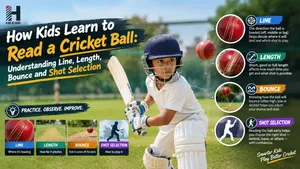 How Kids Learn to Read a Cricket Ball: Understanding Line, Length, Bounce and Shot SelectionLearn how kids can read a cricket ball by understanding line, length, bounce and shot selection to develop better batting skills and confidence.
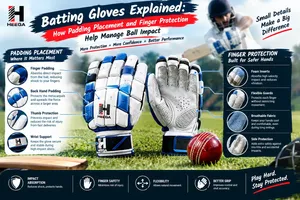 Batting Gloves Explained: How Padding Placement and Finger Protection Help Manage Ball ImpactLearn how batting glove padding placement, finger protection, and fit help manage ball impact. Find practical tips for choosing cricket batting gloves.
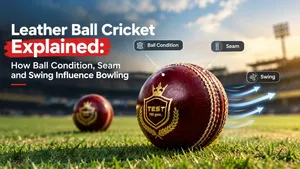 Leather Ball Cricket Explained: How Ball Condition, Seam and Swing Influence BowlingLearn how leather ball cricket works and how ball condition, seam position, shine, and swing influence bowling accuracy, movement, and performance.