How Cricket Grips Wear Out: Signs Your Bat Grip Needs Replacing

Introduction: The Smallest Part of Your Bat Can Make a Big Difference
When players think about maintaining a cricket bat, they usually think about the blade.
They check for cracks.
They oil the willow when necessary.
They protect the toe.
They keep the bat away from moisture.
But there is another part that deserves regular attention: the grip.
The grip is the part of the bat that sits directly between your hands and the handle. It may look like a small and inexpensive component, but it has a surprisingly important job.
A good grip helps you hold the bat comfortably.
It provides traction.
It can reduce unwanted movement in the hands.
It helps you maintain a consistent grip during long innings and training sessions.
Over time, however, every grip begins to wear.
It can become smooth.
It may develop cracks.
It can become loose.
Sweat and moisture can change its texture.
In some cases, the grip can become so worn that the player starts adjusting their hands constantly without even realizing why.
That is usually a sign that it is time for a replacement.
The good news is that replacing a grip is relatively simple compared with replacing a bat.
You do not need to wait until the grip completely falls apart.
Learning to recognize the early warning signs can help keep your equipment comfortable and reliable.
What Is a Cricket Bat Grip?
A cricket bat grip is the rubber or synthetic covering fitted over the bat handle.
Its main purpose is to give the player a secure and comfortable surface to hold.
Without a suitable grip, the handle can feel hard and uncomfortable.
The grip also affects the overall feel of the cricket bat.
Different grips can vary in:
- Thickness
- Texture
- Firmness
- Pattern
- Stretch
- Shock absorption
- Moisture resistance
These differences may seem minor when looking at a grip on its own.
Once the bat is in your hands, however, they become much easier to notice.
Why Does the Grip Matter?
Batting involves constant movement of the hands.
The player needs to control the bat while preparing for the delivery, moving into position, making contact, and completing the shot.
The grip helps make this possible.
A suitable grip can provide:
- Better traction
- Greater comfort
- More consistent hand placement
- Improved control
- Reduced slipping
- A more familiar feel
It does not create batting skill.
Your technique still determines how effectively you play.
But poor equipment can make good technique harder to execute.
That is why the condition of the grip should not be ignored.
Why Cricket Bat Grips Wear Out
A grip is designed to be used.
Every time you hold the bat, pressure is placed on the rubber or synthetic material.
During practice, the grip can experience thousands of small movements.
Sweat from the hands can also affect the surface.
Heat, moisture, dust, and regular friction contribute to gradual wear.
Some players replace grips frequently because they practice almost every day.
Others may use the same grip for a much longer period because their bat is used only occasionally.
There is no universal replacement schedule.
The condition of the grip is more important than its age.
Sign 1: The Grip Has Become Smooth
One of the easiest signs to notice is a change in texture.
A new grip generally has a textured surface that provides traction.
After months of use, that texture can become smoother.
At first, you may not notice it.
Eventually, the bat may start feeling slippery.
This can be especially obvious when your hands become sweaty.
If you find yourself squeezing the handle harder than usual simply to keep control, check the grip.
A smooth surface may be a sign that it has reached the end of its useful life.
Sign 2: The Grip Starts Slipping
A grip should remain securely positioned on the handle.
If it begins moving while you bat, something is wrong.
You may notice the grip:
- Rotating slightly
- Sliding downward
- Moving during shots
- Creating gaps
- Feeling loose around the handle
This can become distracting during a match.
More importantly, constantly adjusting your hands can interfere with your natural batting rhythm.
A grip that repeatedly slips should generally be replaced rather than ignored.
Sign 3: Visible Cracks Appear
Look closely at the grip from time to time.
Small cracks can appear as the material ages.
These cracks may initially be tiny.
With continued use, they can become larger.
Pay particular attention to areas where your hands naturally rest.
If the grip has started splitting or cracking significantly, replacing it is usually the sensible option.
There is little reason to continue using a damaged grip when replacement is relatively straightforward.
Sign 4: The Grip Feels Hard and Brittle
A fresh grip usually has some flexibility.
An older grip can become harder.
It may feel dry or brittle.
Instead of feeling soft and secure in your hands, it can begin to feel uncomfortable.
This is particularly noticeable when the bat is used regularly.
If the material no longer has the same flexibility it once had, consider fitting a new one.
Sign 5: The Grip Has Become Thin
Repeated use can gradually change the thickness of a grip.
Compression from the player's hands can flatten certain areas.
The result may be an uneven or thinner surface.
This can change how the handle feels.
Some players like a relatively thin grip because it allows them to feel the handle more directly.
Others prefer additional thickness for comfort.
The important point is consistency.
If the grip has become significantly thinner or uneven compared with when it was new, it may be time for a replacement.
Sign 6: The Grip Feels Uneven
A grip should feel reasonably consistent around the handle.
If one section feels noticeably thicker or thinner, it can affect hand placement.
You may feel ridges that were not there originally.
You may also notice that one area has compressed more than another.
An uneven grip can be particularly annoying for players who rely on a consistent batting setup.
If the shape has changed significantly, replacing it can restore a more predictable feel.
Sign 7: Sweat Is Making the Bat Difficult to Hold
Sweaty hands are normal during cricket.
The problem starts when the grip can no longer provide enough traction.
A worn grip may become particularly slippery when wet.
You might find yourself:
- Re-gripping between deliveries
- Wiping your hands constantly
- Holding the bat too tightly
- Changing your hand position
- Losing confidence during shots
If this happens regularly, the grip may be contributing to the problem.
A fresh, suitable grip can provide better traction.
Sign 8: The Grip Has Absorbed Dirt and Sweat
Cricket is played outdoors in a variety of conditions.
Dust, sweat, sunscreen, dirt, and moisture can accumulate on the grip.
Over time, the surface may become dirty and unpleasant.
Some grips can be cleaned lightly, depending on their material.
However, cleaning will not restore a grip that has already become worn.
If the grip remains dirty, sticky, smooth, or uncomfortable despite reasonable care, replacement may be the better option.
Sign 9: Your Hands Feel More Tired Than Usual
This sign can be easy to miss.
You may finish a batting session and notice that your hands or forearms feel unusually tired.
There can be many reasons for this.
Technique, bat weight, grip pressure, and training volume can all play a role.
However, an uncomfortable grip may encourage you to squeeze the bat harder.
That extra tension can make the hands work more than necessary.
If your grip feels uncomfortable and you are also experiencing increased hand fatigue during batting, it is worth checking the condition of the grip.
Sign 10: You Keep Adjusting Your Hands
Good batting usually involves a consistent hand position.
If you suddenly find yourself constantly adjusting your hands, look at the equipment.
A worn or slippery grip can make the hands move unintentionally.
You may start shifting your fingers.
You may reposition the bottom hand.
You may change how tightly you hold the bat.
These small adjustments can become a distraction.
A fresh grip can sometimes solve the problem immediately.
How Grip Thickness Changes the Feel of a Cricket Bat
Grip thickness is a personal preference.
A thicker grip can make the handle feel fuller in the hands.
Some players find this more comfortable, particularly during long sessions.
A thinner grip can provide a more direct connection with the handle.
Some batters prefer this because they feel it gives them greater awareness of the bat.
Neither is automatically better.
The important thing is finding a thickness that allows you to hold the bat comfortably without excessive tension.
How Grip Texture Affects Control
Texture provides traction.
A textured grip can help prevent the hands from slipping during the swing.
Different grip patterns create different sensations.
Some players prefer a soft, cushioned texture.
Others like a firmer or more pronounced pattern.
The right choice depends on:
- Hand size
- Sweat levels
- Personal preference
- Batting style
- Playing conditions
If the current grip feels too slippery, changing the grip pattern may make a noticeable difference.
Does a New Grip Make a Cricket Bat Better?
A new grip cannot improve the willow itself.
It will not increase the bat's natural performance.
But it can improve the player's experience with the equipment.
A fresh grip may provide:
- Better traction
- Greater comfort
- More consistent hand positioning
- Better confidence
- A cleaner overall feel
Sometimes a player thinks their bat has become uncomfortable when the real problem is simply an old grip.
Replacing it can make the bat feel much better without changing anything about the blade.
How Often Should You Replace a Cricket Bat Grip?
There is no fixed rule.
A player who practices five or six days a week will naturally wear through grips faster than someone who plays once a month.
You should consider replacement when you notice clear signs of wear.
For frequent players, checking the grip every few weeks is a sensible habit.
For occasional players, simply inspect it before important matches.
The calendar matters less than the condition of the material.
Should You Replace the Grip Before an Important Match?
This depends on its condition.
If the current grip is comfortable and secure, there is no reason to replace it simply because a match is coming up.
But if the grip is already worn, changing it before an important game can be sensible.
Avoid making a major equipment change immediately before a match if you have never tested the new grip.
A different thickness or texture may feel unfamiliar.
Ideally, fit the new grip during practice and give yourself time to adjust.
Why Players Sometimes Use More Than One Grip
Some batters prefer two grips instead of one.
Adding another grip can increase the thickness of the handle.
It may also change the overall feel and hand position.
Players sometimes do this because they:
- Prefer a thicker handle
- Want additional cushioning
- Like a particular grip shape
- Want a different feel from the standard handle
However, adding grips changes the dimensions of the handle.
Players should make sure the resulting shape remains comfortable and does not interfere with their technique.
How to Choose the Right Replacement Grip
Choosing a replacement grip does not have to be complicated.
Start by thinking about what you liked or disliked about the previous one.
Ask yourself:
Was it comfortable?
If yes, look for a similar design.
Did it slip?
Choose a grip with stronger traction.
Was it too thin?
Consider a thicker option.
Was it too hard?
Look for a softer grip.
Did your hands sweat heavily?
A textured, secure grip may be useful.
Did the grip feel bulky?
Choose a thinner profile.
The best replacement is usually the one that solves the problem you were experiencing.
Grip Choice and Playing Style
Playing style can influence equipment preferences.
An aggressive batter may prefer a grip that feels secure during powerful swings.
A player who relies heavily on timing may prioritize a comfortable, responsive feel.
A defensive batter who spends long periods at the crease may care more about comfort and reduced hand fatigue.
T20 players may prefer a grip that feels secure during fast bat movement.
Again, these are preferences rather than strict rules.
Grip Choice for Junior Players
Young players should pay particular attention to comfort.
Their hands are smaller, and their strength is still developing.
A grip that is too thick may make the handle difficult to control.
A grip that is too thin may not provide enough cushioning.
When selecting equipment for a junior cricket bat, the grip should feel comfortable without forcing the child to squeeze tightly.
Parents and coaches can help young players find an appropriate setup.
Grip Choice for Adult Players
Adult players generally have more options.
They can experiment with different thicknesses and textures.
At this stage, personal preference often becomes more important.
A club player who bats regularly may already know exactly which grip style feels right.
If you are still experimenting, try different options during practice rather than making changes immediately before competition.
How Weather Affects Cricket Bat Grips
Weather can influence grip performance.
Hot conditions can increase sweating.
Humid conditions can make equipment feel damp.
Cold conditions can change how some materials feel.
Outdoor cricket also exposes equipment to dust and moisture.
Players should inspect their grip regularly, particularly when playing frequently in challenging weather.
What Happens to a Grip During Long Net Sessions?
Net sessions can be harder on equipment than many players realize.
A batter may face dozens or hundreds of deliveries.
The hands repeatedly move around the grip.
Sweat accumulates.
Friction increases.
The grip becomes compressed.
If you train regularly, your practice sessions can therefore contribute significantly to grip wear.
This is another reason academy and club players may need to replace grips more frequently.
Why a Worn Grip Can Affect Confidence
Confidence in cricket is partly about familiarity.
You want to know exactly how your equipment feels.
If the bat suddenly starts slipping, that familiarity disappears.
You may begin thinking about your hands instead of the bowler.
That distraction can affect concentration.
A secure grip allows the player to focus on:
- Watching the ball
- Footwork
- Shot selection
- Timing
- Balance
The grip is a small component, but it can contribute to the overall confidence of the player.
Can a Worn Grip Affect Batting Technique?
It can indirectly.
If a grip becomes slippery, the player may compensate by squeezing harder.
That can create unnecessary tension in the hands and forearms.
The player may also change their hand position.
Over time, those compensations can affect the natural flow of the swing.
This does not mean every worn grip causes technical problems.
But if the equipment is making you change your normal grip, it is worth addressing.
How to Remove an Old Cricket Bat Grip
Removing an old grip is generally straightforward.
One common method is to carefully loosen the grip from the bottom of the handle and roll or pull it away.
If it is particularly tight, a grip cone or other suitable grip-removal method can make the process easier.
Take care not to damage the handle underneath.
If you are uncomfortable doing it yourself, ask a cricket equipment specialist or bat repair professional.
How to Install a New Grip
A new grip can usually be installed by:
- Removing the old grip.
- Checking the handle.
- Selecting the replacement grip.
- Using a grip cone if necessary.
- Rolling the grip onto the handle.
- Positioning it evenly.
- Checking that it feels secure.
The final grip should sit evenly without unnecessary folds or loose sections.
If the installation is poor, even a high-quality grip can feel uncomfortable.
Don't Ignore the Handle Underneath
Replacing a grip is also a good opportunity to inspect the handle.
Look for:
- Cracks
- Splits
- Loose areas
- Unusual movement
- Damage near the shoulder
The grip can sometimes hide small problems.
If you notice serious damage underneath, do not simply install another grip and continue playing.
Have the bat inspected first.
Grip Maintenance Tips
You can extend the useful life of your grip with basic care.
Try to:
- Keep your hands reasonably clean.
- Avoid unnecessary moisture.
- Store the bat in a dry location.
- Do not leave it in direct sunlight for long periods.
- Keep the grip away from excessive heat.
- Avoid dragging the handle across rough surfaces.
- Inspect the grip regularly.
These habits will not make a grip last forever.
They can, however, help prevent premature damage.
Common Mistakes Players Make With Bat Grips
Waiting Until the Grip Completely Breaks
You do not need to wait for it to fall apart.
Visible wear is enough reason to consider replacement.
Choosing Only by Appearance
A colorful grip may look great but still feel uncomfortable.
Ignoring Thickness
Grip thickness can significantly affect hand comfort.
Using a Slippery Grip
If your hands keep moving, change the grip.
Installing It Poorly
An uneven installation can create discomfort.
Changing It Right Before a Match
Give yourself time to adjust to a new grip.
When Should You Definitely Replace Your Grip?
Consider replacing your grip if:
- It is visibly cracked.
- It has become very smooth.
- It keeps slipping.
- It feels hard and brittle.
- It has become uneven.
- It is badly discolored or dirty.
- Your hands feel uncomfortable.
- You are constantly adjusting your grip.
- Sweat makes the handle difficult to control.
- The grip no longer feels secure.
If several of these signs appear together, replacement is strongly worth considering.
How Heega Sports Supports Players With Cricket Equipment
At Heega Sports, we understand that small equipment details can make a difference to the overall cricketing experience.
Players at different stages need different equipment.
Our cricket collection includes:
- Cricket bats
- Junior cricket bats
- Kashmir Willow bats
- English Willow bats
- Batting gloves
- Batting pads
- Cricket helmets
- Cricket balls
- Practice balls
- Cricket shoes
- Cricket kit bags
- Practice nets
- Training accessories
Whether you are a beginner, academy player, club cricketer, or experienced batter, maintaining your equipment can help you stay comfortable and prepared.
How to Know If Your New Grip Is Right
After installing a new grip, do not judge it after just one swing.
Use it during practice.
Pay attention to:
- Hand comfort
- Grip pressure
- Bat movement
- Pickup
- Control
- Sweat resistance
- Hand positioning
If you naturally hold the bat without constantly thinking about the grip, that is usually a good sign.
The best grip is often the one you stop noticing during batting.
The Grip Is Part of the Complete Cricket Bat Setup
A cricket bat is made up of many components that work together.
The willow provides the blade.
The spine and profile influence the distribution of mass.
The handle connects the blade to the hands.
The grip provides the surface that the player actually holds.
A problem with any one of these components can affect the overall experience.
That is why bat maintenance should include more than simply looking after the willow.
The grip deserves attention too.
Final Thoughts
A cricket bat grip may be small, but it plays an important role in comfort and control.
Every grip eventually wears out.
The process is gradual.
First, the texture may become slightly smoother.
Then the grip may start feeling less secure.
Eventually, cracks, looseness, hardening, or uneven areas can appear.
You do not have to wait until the grip completely fails before replacing it.
Regular inspection makes it easier to identify when a change is needed.
Remember that there is no universal grip that works perfectly for every player.
Some batters prefer a thin grip.
Others prefer a thicker handle.
Some want a soft and cushioned feel.
Others prefer a firmer connection.
Your hand size, batting style, playing conditions, and personal preference all matter.
Most importantly, the grip should allow you to hold the bat securely without unnecessary tension.
If you find yourself constantly adjusting your hands, squeezing the handle harder, or struggling because of sweat and slipping, take a closer look at your grip.
A simple replacement can restore comfort and confidence.
And while you are replacing it, take a moment to inspect the handle underneath.
Good equipment care is not about making a bat last forever.
It is about keeping your equipment reliable, comfortable, and ready for the next innings.
Whether you are practicing in the nets, playing school cricket, competing for a club, or preparing for an important match, small maintenance habits can make your equipment feel better for longer.
Sometimes, improving your cricket setup does not require buying a completely new bat.
Sometimes, all it needs is a fresh grip.
🏏 Keep Your Cricket Bat Match-Ready With Heega Sports
Explore cricket bats, batting gloves, batting pads, cricket balls, helmets, cricket shoes, kit bags, practice nets, and other cricket equipment for training and match day.
Shop Now
Heega Sports – Helping Players Keep Their Cricket Gear Ready for Every Innings.
Related posts
 What Cricket Wear Is Best for Mobility?Which cricket clothing and accessories let you bat, bowl and field without restriction: fit before price, breathable fabric, grip socks, finger and arm sleeves.
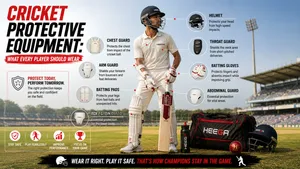 Cricket Protective Equipment: What Every Player Should WearLearn what cricket protective equipment every player needs, including helmets, batting pads, gloves, abdominal guards, chest guards, arm guards and more.
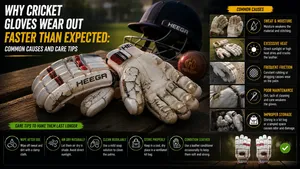 Why Cricket Gloves Wear Out Faster Than Expected: Common Causes and Care TipsWhy do cricket gloves wear out so quickly? Learn the common causes of glove damage, signs of wear, proper care methods, storage tips, and ways to extend cricket glove life.