How to Choose the Right Abdominal Guard for Maximum Protection
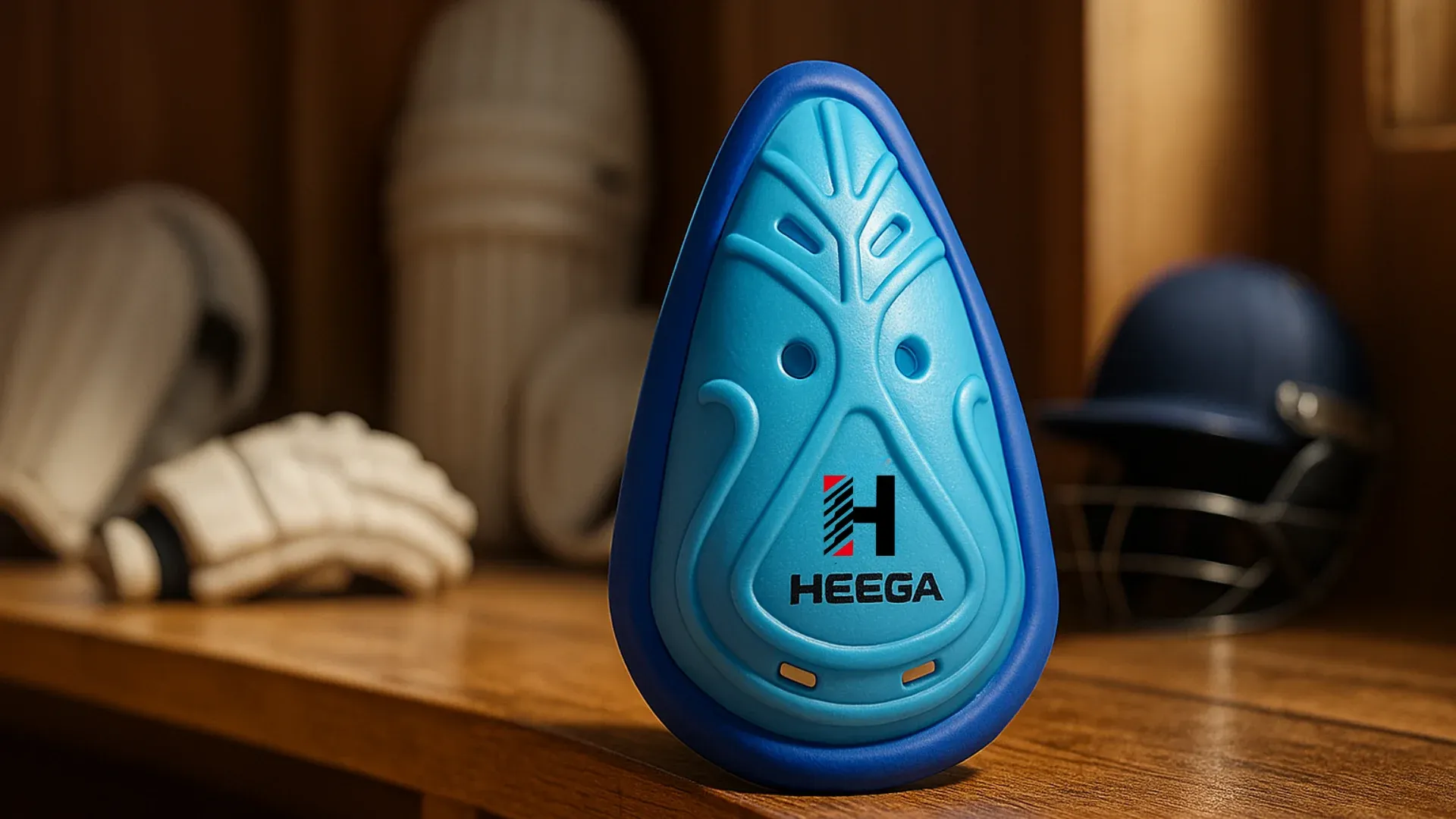
When it comes to cricket safety gear, most players think about helmets, pads, and gloves first. However, one of the most crucial yet often overlooked pieces of protective gear is the abdominal guard (also known as a box or guard). This small but essential equipment protects one of the most sensitive and vulnerable areas of a cricketer’s body, especially for batsmen and wicketkeepers.
Choosing the right abdominal guard is not just about comfort—it’s about maximum protection, durability, and performance. In this detailed guide, we will explain everything you need to know before buying the perfect abdominal guard.
Why Is an Abdominal Guard Important in Cricket?
Cricket balls are hard leather balls weighing 156 grams (approx.), and they can be bowled at speeds over 150 km/h. A single impact in the groin area can cause severe injury, pain, and even long-term health issues.
The abdominal guard acts as a shield, absorbing and distributing the force of the impact to prevent serious injuries. It is a must-have for:
- Batsmen
- Wicketkeepers
- Close-in fielders (especially in short-leg or silly point positions)
Key Factors to Consider When Choosing an Abdominal Guard
1. Material Quality
The material determines the strength, comfort, and durability of the abdominal guard. Common materials include:
- High-Impact Plastic: Lightweight yet strong, ideal for most players.
- Fiber Reinforced Plastic (FRP): Offers superior protection for professional cricketers.
- Polycarbonate Shell: High-end option with exceptional shock absorption.
For inner padding, materials like foam or soft rubber provide cushioning and comfort.
2. Size and Fit
A guard that is too loose or too tight can cause discomfort and affect performance. Correct fit ensures maximum protection without restricting movement.
- Small: Suitable for juniors and kids.
- Medium: For teens or players with a smaller build.
- Large: For adults and professional players.
Always try the guard inside your cricket trousers or jockstrap to ensure proper fit.
3. Shape and Design
Abdominal guards come in various designs:
- Traditional Cup Shape: Covers the groin area completely.
- Ergonomic Design: Contoured for better comfort and less friction during play.
- Ventilated Design: Includes air vents for better breathability and reduced sweating.
Choose a design that offers both protection and comfort for long innings.
4. Strapping System
Some guards come with an integrated strap, while others require a jockstrap or an abdominal guard supporter.
- Fixed Strap Guards: Easy to wear, ideal for beginners.
- Separate Supporter & Guard: Preferred by professionals for better flexibility and hygiene.
5. Level of Protection
If you play professional cricket or face bowlers with high speed, you need a premium abdominal guard with reinforced layers. For casual or practice sessions, a basic plastic guard might suffice.
6. Comfort and Breathability
A comfortable guard ensures you can focus on your game without distraction. Look for:
- Soft inner padding
- Sweat-resistant lining
- Ventilation holes for airflow
7. Brand and Quality
Always choose a trusted brand like Heega, SG, SS, or Kookaburra for guaranteed quality. Cheap guards often compromise on material strength, which can lead to injuries.
Types of Abdominal Guards
Here are the main types you can choose from:
- Standard Plastic Guard – Affordable, basic protection for beginners.
- Fiber Reinforced Guard – For advanced players, offers high impact resistance.
- Ergonomic Design Guard – Lightweight with better comfort and movement.
- Combo Guard with Supporter – Includes both the guard and strap for easy wear.
Tips for Using and Maintaining Your Abdominal Guard
- Always wear it during batting or wicketkeeping—never take the risk of going without one.
- Clean it after every match to maintain hygiene and avoid odor.
- Check for cracks or wear regularly—replace if damaged.
- Store in a dry place to avoid moisture and bacterial growth.
Common Mistakes to Avoid When Choosing an Abdominal Guard
- Buying the wrong size—too loose or too tight reduces protection.
- Ignoring comfort—an uncomfortable guard can distract you during play.
- Compromising on quality for price—cheap guards can break on impact.
Frequently Asked Questions (FAQ)
Q1. Should wicketkeepers also wear an abdominal guard?
Yes, wicketkeepers must wear it because they stay close to the batsman and face fast deliveries.
Q2. How often should I replace my abdominal guard?
Replace it immediately if you notice cracks, or every season for regular players.
Q3. Can I use the same guard for practice and matches?
Yes, but make sure it is well-maintained and undamaged.
Conclusion
Your abdominal guard may seem like a small piece of equipment, but it plays a big role in keeping you safe on the field. When choosing the right guard, prioritize quality, fit, comfort, and protection level. Investing in a premium abdominal guard is an investment in your safety and long-term performance.
Shop Premium Abdominal Guards Now
Stay protected with high-quality abdominal guards from Heega Sports.
Shop Now – Heega Sports
Related posts
 Wicket Keeping Leg Guards Explained: Fit, Flexibility and Protection for Faster Movement Behind the StumpsDiscover how to choose wicketkeeping leg guards with the right fit, flexibility, and protection for quicker movement, comfortable crouching, and confident keeping.
 Cricket Leg Guards Explained: How Fit, Protection, and Comfort Improve Batting ConfidenceLearn how cricket leg guards provide protection, comfort, fit, and confidence while batting, plus tips for choosing and maintaining the right pair.
 Cricket Batting Pads Explained: How Knee Protection, Shin Coverage and Strap Placement Affect Comfort and MobilityLearn how cricket batting pads, knee protection, shin coverage and strap placement affect comfort, mobility, impact protection and batting performance.