How to Choose the Right Size, Protection, and Comfort Primary
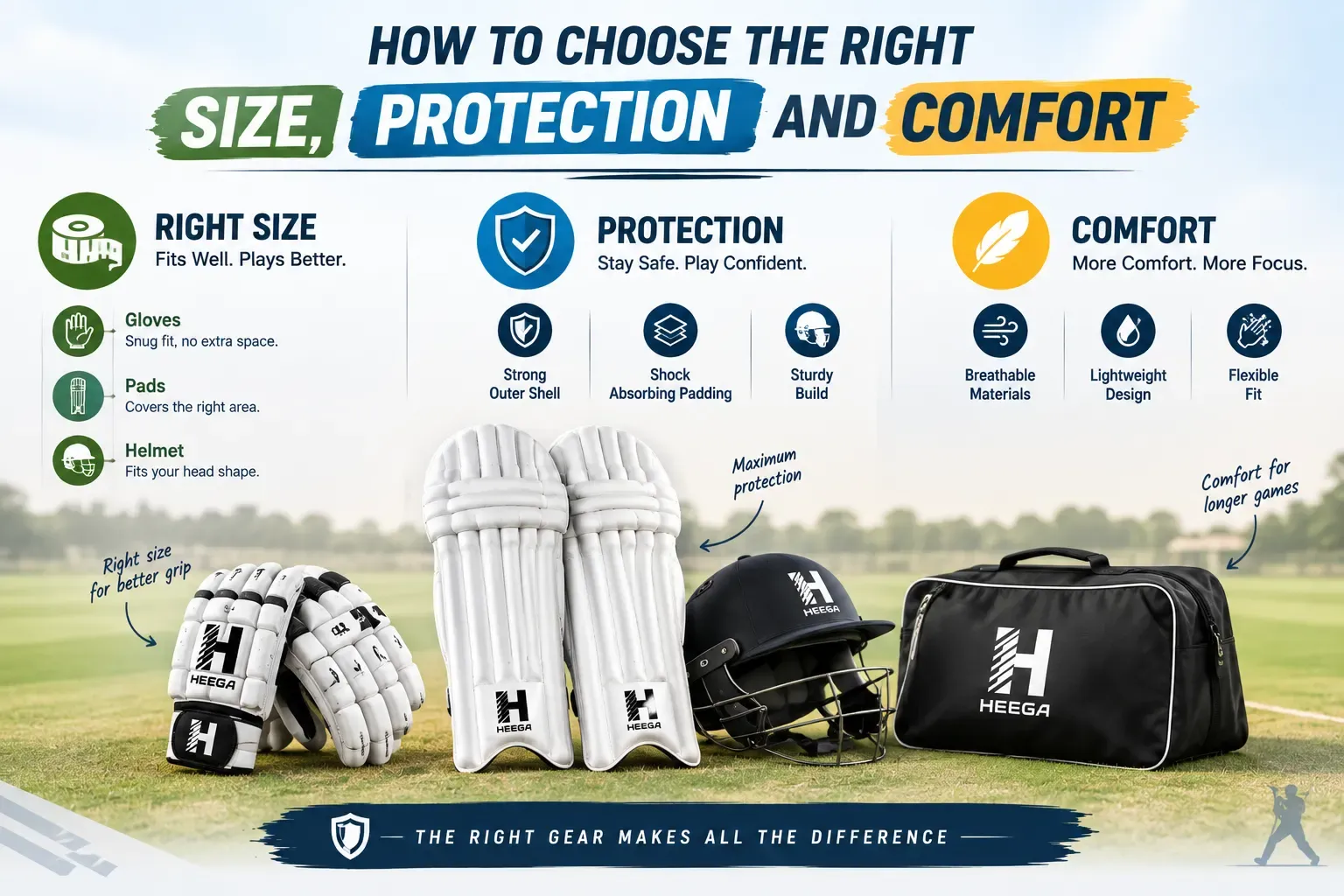
Introduction: Why the Right Wicketkeeping Gloves Matter
Wicketkeeping looks effortless when you watch an experienced keeper.
The bowler runs in, the ball passes the bat, and the keeper seems to collect it without thinking. But behind that smooth movement is a lot of skill, concentration and, perhaps most importantly, the right equipment.
For a wicketkeeper, the gloves are not just another part of the cricket kit. They are the main connection between the player and the ball.
A good pair can make catching feel more natural, help you stay comfortable behind the stumps for long periods and give you confidence when the ball starts moving quickly.
The wrong pair can do exactly the opposite.
Gloves that are too loose may move when you need your hands to be steady. Gloves that are too stiff can make it harder to close your hands around the ball. Poorly fitting gloves can become uncomfortable after only a few overs.
That is why buying wicketkeeping gloves should involve more than looking at the brand, colour or price.
You need to consider fit, size, catching surface, webbing, palm construction, padding, flexibility and the level of cricket you play.
This guide breaks down everything beginners and club players should know before buying their next pair.
What Are Wicketkeeping Gloves?
Wicketkeeping gloves are specially designed gloves worn by the wicketkeeper to catch, stop and control the cricket ball behind the stumps.
They are different from batting gloves.
A batter's gloves are primarily designed to protect the hands while holding the bat. Wicketkeeping gloves are designed around catching and receiving the ball.
They generally feature:
- A large catching area
- Padded palms
- Finger protection
- Webbing between the thumb and index finger
- Flexible construction
- Secure wrist fastening
- Reinforced catching surfaces
The design allows the keeper to receive deliveries repeatedly while maintaining control and comfort.
A wicketkeeper may collect hundreds of balls during a training session, and many more over the course of a match.
That makes glove quality and fit particularly important.
Why Wicketkeeping Gloves Are Different from Batting Gloves
This is one of the first things a new wicketkeeper needs to understand.
Batting gloves and wicketkeeping gloves serve completely different purposes.
FeatureWicketkeeping GlovesBatting Gloves
Main purpose
Catching and stopping the ball
Protecting hands while batting
Palm design
Built for catching
Built around bat grip
Webbing
Yes
No
Finger construction
Flexible catching design
Protective finger sections
Catching surface
Large
Not designed for catching
Wrist movement
High flexibility
Designed for batting grip
Protection
Impact protection for receiving the ball
Protection from ball impact while batting
Trying to use batting gloves for wicketkeeping is not a good substitute.
The shape, webbing and catching area of proper wicketkeeping gloves are designed specifically for the keeper's job.
What Makes a Good Pair of Wicketkeeping Gloves?
There is no single feature that makes a glove perfect.
A good pair should bring several things together.
Comfortable Fit
The glove should feel secure without squeezing your fingers.
Good Catching Surface
The palm should provide enough surface area to receive the ball confidently.
Effective Webbing
The webbing between the thumb and index finger helps create a useful catching pocket.
Flexible Construction
The glove should allow your hands to move naturally.
Suitable Padding
The padding should provide protection while still allowing you to close your hands around the ball.
Secure Wrist Fit
The gloves should remain stable throughout your movement behind the stumps.
Durable Construction
Good stitching and materials matter because wicketkeeping gloves experience repeated impact.
How to Choose the Right Wicketkeeping Glove Size
Size is one of the most important things to get right.
A glove that does not fit correctly can affect both comfort and performance.
The fingers should sit comfortably inside the glove without excessive empty space.
At the same time, the glove should not be so tight that your fingers feel restricted.
A Simple Fit Check
When wearing the gloves:
- Your fingers should reach naturally into the finger sections.
- Your thumb should sit comfortably.
- The wrist should feel secure.
- You should be able to open and close your hand.
- The glove should not slide around.
- You should not feel uncomfortable pressure points.
If possible, try the gloves with your hands relaxed and then make a catching motion.
They should remain stable during both positions.
Why Glove Fit Matters So Much
Imagine trying to catch a fast delivery while your glove is moving slightly on your hand.
Even a small amount of unwanted movement can affect your timing.
Now imagine doing that repeatedly for an entire match.
This is why experienced wicketkeepers tend to be particular about their glove fit.
The glove should feel almost like an extension of your hand.
You should not constantly think about adjusting it.
When the fit is right, your attention can stay where it belongs—on the bowler, batter and ball.
Wicketkeeping Glove Webbing Explained
The webbing is one of the defining features of a wicketkeeping glove.
It is located between the thumb and index finger and creates part of the catching pocket.
The web helps the keeper receive and control the ball.
Different glove designs may use different web shapes and constructions.
Some may feel deeper and more structured, while others may offer a more flexible catching area.
There is no single web design that works for every wicketkeeper.
The choice often comes down to:
- Hand size
- Catching technique
- Personal preference
- Level of cricket
- Type of bowling faced
Why the Catching Pocket Matters
A good catching pocket helps absorb and control the ball instead of allowing it to bounce away.
When the ball enters the glove, the keeper needs to soften the hands and allow the glove to receive the impact.
This is one reason why glove flexibility matters.
A very stiff glove may take time to become comfortable.
A glove that is too soft or lacks structure may not provide the same sense of control.
The right balance depends on the individual player.
Palm Material and Catching Feel
The palm is another important part of a wicketkeeping glove.
The catching surface needs to provide a combination of:
- Grip
- Cushioning
- Flexibility
- Durability
Leather and synthetic materials are both used in cricket glove construction, with different products offering different levels of feel and durability.
Do not judge the palm only by how soft it feels in the shop.
Think about how it will perform after repeated catching sessions.
A wicketkeeper needs a surface that can handle regular contact with the ball while remaining comfortable.
How Much Padding Do Wicketkeeping Gloves Need?
Padding is important because the ball can arrive at considerable speed.
However, more padding does not automatically mean better gloves.
Excessive padding can make the glove bulky and reduce hand movement.
Too little protection may leave your hands uncomfortable during repeated catching.
Good gloves aim to balance:
Protection + Flexibility + Catching Feel
For beginners, additional protection can provide confidence while they develop their catching technique.
Experienced keepers may have more specific preferences based on the type of cricket they play.
Finger Protection in Wicketkeeping Gloves
The fingers are particularly vulnerable when keeping wickets.
A ball that arrives quickly or takes an unexpected deflection can place significant force on the fingers.
Some gloves incorporate protective elements around the fingers.
When choosing gloves, check:
- Finger coverage
- Flexibility
- Padding
- Finger movement
- Overall comfort
The protection should not prevent you from closing your hands naturally.
Wrist Design and Closure
The wrist area is often overlooked when buying gloves.
A secure wrist closure helps keep the glove properly positioned during movement.
Depending on the design, gloves may use:
- Velcro-style straps
- Elastic sections
- Adjustable closures
- Reinforced wrist bands
The important thing is stability.
You should be able to move, dive and stand up without feeling that the glove is shifting around your hand.
Beginner Wicketkeeping Gloves: What Should You Look For?
If you are just starting as a wicketkeeper, you do not need the most expensive gloves available.
In fact, spending heavily before you understand your own preferences can be unnecessary.
A beginner should focus on:
- Correct size
- Comfortable fit
- Reliable padding
- Flexible fingers
- Good webbing
- Secure wrist closure
- Durable construction
- Reasonable price
Your first priority should be learning the basics.
You want gloves that help you concentrate on:
- Watching the ball
- Staying low
- Moving your feet
- Soft hands
- Catching technique
- Gathering the ball cleanly
The equipment should support that learning process.
Wicketkeeping Gloves for Academy Players
Academy players usually spend much more time training than casual players.
A typical session may involve:
- Fast bowling
- Spin bowling
- Throwdowns
- Footwork drills
- Stumping practice
- Low catches
- Reaction drills
- Repeated ball collection
Because of this workload, academy players should pay greater attention to durability.
A comfortable glove becomes particularly valuable when you are wearing it for long training sessions several times a week.
Look for a balance between:
Comfort, durability and performance.
Wicketkeeping Gloves for Club Players
Club cricket brings a different set of demands.
You may be keeping for long innings, standing up to the stumps against spinners and standing back against faster bowlers.
You may also have several training sessions during the week.
For club players, the gloves should be chosen more carefully.
Consider:
- Match format
- Bowling pace
- Spin requirements
- Frequency of use
- Hand size
- Catching style
- Personal preference
- Durability
A club player should not necessarily choose the most expensive model.
Choose the pair that fits your hands and playing requirements.
Gloves for Standing Up to the Stumps
Standing up close to the wicket requires quick reactions.
The ball may arrive quickly, especially when keeping to spin or medium pace.
In this position, the keeper needs gloves that allow:
- Quick hand movement
- Fast closing
- Comfortable wrist movement
- Good ball visibility
- Reliable catching control
The gloves should feel responsive rather than cumbersome.
Gloves for Standing Back
When standing back to a fast bowler, the ball can travel considerably faster before reaching you.
Protection and catching stability become particularly important.
You should also consider how well the gloves perform when the ball moves laterally or changes direction after touching the bat.
The ideal glove should give you confidence without feeling unnecessarily bulky.
How Bowling Type Changes Glove Requirements
Different bowlers create different challenges.
Fast Bowling
Fast bowling places greater emphasis on:
- Protection
- Strong catching surface
- Secure fit
- Good cushioning
Spin Bowling
Spin bowling places greater emphasis on:
- Flexibility
- Quick hand movement
- Soft catching technique
- Fast glove closure
Swing Bowling
Swing can make the ball move late.
A comfortable glove can help the keeper react naturally to those small changes in trajectory.
Seam Bowling
Seam movement can create unpredictable deviations after the ball reaches the batter.
This makes concentration and glove control particularly important.
How to Break In New Wicketkeeping Gloves
New gloves can sometimes feel stiff.
Do not expect them to feel exactly like your old pair from the first minute.
A gradual break-in process can help.
Start With Gentle Catching
Use softer catching drills at first.
Work the Glove Naturally
Open and close the glove repeatedly.
Practice Receiving
Have a teammate throw balls at moderate pace.
Increase Intensity Gradually
Once the gloves become comfortable, move into more demanding catching drills.
Avoid aggressively bending or damaging the glove just to make it feel softer.
The goal is to help the glove become comfortable while preserving its structure.
Should You Oil Wicketkeeping Gloves?
This depends entirely on the materials and manufacturer's instructions.
Do not automatically apply oil or conditioner to a glove simply because it contains leather.
Some materials may not respond well to products that are not designed for them.
Always follow the manufacturer's care instructions.
If you are unsure, use a mild cleaning approach and ask the manufacturer or seller for specific guidance.
How to Maintain Wicketkeeping Gloves
Proper care can make a significant difference to the life of your gloves.
Keep Them Dry
After training, allow the gloves to air dry naturally.
Avoid sealing wet gloves inside your kit bag.
Remove Dirt
Use appropriate cleaning methods based on the glove material.
Do Not Leave Them in Direct Heat
Strong heat can damage materials and affect the shape of the gloves.
Store Them Properly
Keep the gloves in a clean, dry area.
Do not place heavy equipment on top of them.
Check the Stitching
Look for:
- Loose stitching
- Damaged palm
- Torn webbing
- Worn padding
- Loose straps
Catching small problems early can help prevent further damage.
How Long Do Wicketkeeping Gloves Last?
There is no fixed lifespan for a pair of gloves.
It depends on:
- Frequency of use
- Quality of construction
- Ball type
- Training intensity
- Playing conditions
- Maintenance
- Catching technique
A player training several times a week will naturally put more wear on their gloves than someone who plays once or twice a month.
Instead of replacing gloves based purely on age, inspect their condition.
If the palm is heavily worn, webbing is damaged, padding has deteriorated or the gloves no longer fit properly, it may be time for a replacement.
Common Mistakes When Buying Wicketkeeping Gloves
Mistake 1: Buying the Wrong Size
A poor fit can affect catching and comfort.
Mistake 2: Choosing Based Only on Price
A more expensive glove is not automatically the right glove for your hands.
Mistake 3: Ignoring the Webbing
The web is a key part of the catching design.
Mistake 4: Choosing Excessive Padding
More padding can sometimes reduce flexibility.
Mistake 5: Ignoring Your Playing Level
A recreational player and a club wicketkeeper may have very different equipment requirements.
Mistake 6: Not Trying the Gloves On
If possible, always test the fit before purchasing.
Mistake 7: Forgetting Maintenance
Even high-quality gloves will deteriorate faster if they are stored wet and neglected.
How to Test Wicketkeeping Gloves Before Buying
If you are buying from a physical cricket store, take a few minutes to test them.
Step 1: Put Them On
Make sure your fingers reach comfortably into the glove.
Step 2: Open and Close Your Hands
Check whether the glove moves naturally with your hands.
Step 3: Check the Web
Make sure the web feels comfortable and forms a natural catching area.
Step 4: Check the Wrist
Make sure the closure feels secure.
Step 5: Make a Catching Shape
Bring your hands together as you would when receiving a delivery.
Step 6: Check Flexibility
Move your fingers and wrists naturally.
If something feels awkward in the shop, it is unlikely to become completely comfortable during a long match.
Buying Wicketkeeping Gloves Online
Buying online can be convenient, but you need to pay closer attention to specifications.
Before ordering, check:
- Glove size
- Hand-size recommendations
- Materials
- Web design
- Palm construction
- Padding
- Finger protection
- Wrist closure
- Intended playing level
- Return or exchange policy
If you are unsure about sizing, contact the seller before placing your order.
A few minutes of checking can save you from buying the wrong size.
Wicketkeeping Gloves vs Price: What Really Matters?
It is easy to assume that the most expensive glove must provide the best performance.
But cricket equipment does not work that way.
A premium glove may include advanced materials or construction, but those features only matter if they suit your hands and playing style.
For a beginner, a comfortable and reliable glove at a sensible price may be the better choice.
For a club player who keeps regularly, investing more in durability and advanced construction can make sense.
Think about how often you play and what you actually need.
A Simple Wicketkeeping Glove Buying Checklist
Before purchasing, ask yourself:
About Your Hands
- What size gloves do I need?
- Do my fingers fit comfortably?
- Can I close the gloves naturally?
- Does the wrist feel secure?
About Your Game
- Am I a beginner or experienced keeper?
- Do I mostly keep to pace or spin?
- How often do I train?
- Do I stand up to the stumps regularly?
- Do I keep for long innings?
About the Gloves
- Is the web comfortable?
- Is the catching pocket suitable?
- Is there enough padding?
- Are the fingers protected?
- Is the palm durable?
- Is the glove flexible enough?
About Maintenance
- Can I clean them easily?
- Do I have somewhere dry to store them?
- Have I checked the manufacturer's care instructions?
If you can answer these questions, your buying decision becomes much easier.
Wicketkeeping Gloves for Young Players
Young wicketkeepers are still developing hand-eye coordination and catching technique.
That makes fit particularly important.
Avoid buying oversized gloves simply because the player is expected to grow.
A glove that is too large can make catching unnecessarily difficult.
Instead, choose a suitable size for the player's current hand dimensions and playing level.
As the player grows, the equipment can be upgraded.
This approach also allows young players to learn proper technique rather than compensating for oversized equipment.
How Gloves Affect Wicketkeeping Technique
Good equipment does not replace good technique.
A wicketkeeper still needs to:
- Stay balanced
- Watch the ball closely
- Keep the head steady
- Move the feet
- Present the hands correctly
- Receive the ball softly
- Move towards the ball
- Follow through with the catch
The gloves should make these movements easier rather than getting in the way.
A player who relies entirely on the glove's padding or webbing without developing proper technique will struggle when conditions become difficult.
Soft Hands: The Secret Behind Better Keeping
One of the most important wicketkeeping skills is learning to use soft hands.
When the ball reaches the gloves, the keeper should avoid creating a rigid barrier.
Instead, the hands should absorb some of the ball's energy.
This helps the ball settle into the catching pocket.
Good gloves can support this technique, but they cannot create it for you.
Spend time practising catches at different speeds.
Start slowly.
Build confidence.
Then increase the pace.
Training Drills to Get Comfortable With New Gloves
Once you buy a new pair, do not wait until match day to use them.
Try these simple drills.
Short-Range Catching
Have a teammate throw the ball gently from a short distance.
Focus on watching the ball into the gloves.
Side-to-Side Movement
Move a few steps left and right before receiving the ball.
This helps you learn how the gloves feel while moving.
Low Collection Drill
Practise collecting balls close to the ground.
Reaction Catching
Ask a teammate to vary the direction and speed of the throws.
Spin-Keeping Practice
Practise moving forward and receiving balls from spin bowling.
The more you use your new gloves in training, the more natural they will feel during a match.
What Makes High-Quality Wicketkeeping Gloves?
When comparing gloves, look for the complete package.
Quality Materials
Materials should be suitable for repeated cricket use.
Strong Construction
Stitching and joins should be neat and secure.
Effective Webbing
The web should create a useful catching pocket.
Comfortable Padding
Protection should not come at the expense of flexibility.
Good Fit
The gloves should stay secure during movement.
Durable Palm
The catching surface should be able to handle repeated contact.
Practical Design
The glove should help you catch rather than make catching harder.
When Should You Replace Your Wicketkeeping Gloves?
Do not wait until the gloves completely fall apart.
Consider replacing them when:
- The palm is badly worn
- The webbing is damaged
- Padding has become compressed
- Finger protection is compromised
- Stitching is coming apart
- The wrist closure no longer works properly
- The gloves have lost their shape
- The fit has become uncomfortable
If you notice significant damage, do not assume that it will not affect performance.
Your hands are too important to take that chance.
How to Choose Gloves for Different Levels of Cricket
Player LevelMain PriorityRecommended Focus
Beginner
Comfort and confidence
Correct size, flexibility, basic protection
School Player
Fit and development
Lightweight feel, webbing, durability
Academy Player
Training performance
Comfort, durability, catching control
Club Player
Match performance
Fit, protection, webbing, durability
Advanced Player
Personal preference
Detailed balance of feel, flexibility and protection
This is not a strict rule.
Players develop at different speeds, and individual preferences can vary significantly.
Heega Sports: Equipment for Players Who Take Cricket Seriously
At Heega Sports, cricket equipment is built around the practical needs of players at different stages of the game.
For wicketkeepers, choosing the right gloves is about more than finding a product that looks good.
The right pair should fit comfortably, support natural hand movement and give the player confidence when receiving the ball.
Whether you are buying your first pair for academy training or upgrading your equipment for regular club cricket, the basics remain the same:
Find the right size.
Check the webbing.
Pay attention to the catching feel.
Look for suitable protection.
Choose according to how you actually play.
Heega Sports offers cricket equipment across a wide range of categories, including:
- Wicketkeeping gloves
- Cricket bats
- Cricket balls
- Batting gloves
- Batting pads
- Protective equipment
- Cricket kit bags
- Cricket nets
- Training equipment
A good pair of gloves will not make every catch for you.
But the right pair can help you focus on the ball, trust your hands and play your role with confidence.
Frequently Asked Questions About Wicketkeeping Gloves
What are wicketkeeping gloves used for?
They are specially designed for wicketkeepers to catch, stop and control the cricket ball behind the stumps. They feature a larger catching area and webbing that are not found on standard batting gloves.
Can I use batting gloves for wicketkeeping?
No. Batting gloves are designed primarily to protect the hands while gripping a cricket bat. They do not provide the catching surface, webbing or design required for proper wicketkeeping.
How should wicketkeeping gloves fit?
They should feel secure without restricting your fingers. Your fingers should sit naturally inside the glove, while the wrist should remain stable during movement.
Are wicketkeeping gloves supposed to be stiff when new?
Some new gloves may feel relatively stiff before they are used regularly. A gradual break-in process through controlled catching practice can help them become more comfortable.
How important is the webbing?
Very important. The webbing between the thumb and index finger forms part of the catching area and helps the wicketkeeper control the ball.
Do wicketkeeping gloves protect the fingers?
Many gloves include padding or protective features around the fingers, but the level of protection varies between models. Check the product specifications before buying.
Should wicketkeeping gloves be tight?
They should be secure, but not uncomfortably tight. Excessive tightness can restrict finger movement and make catching uncomfortable.
How do I clean wicketkeeping gloves?
Cleaning depends on the materials used. Follow the manufacturer's care instructions, avoid unnecessary moisture and allow the gloves to dry naturally after use.
How long do wicketkeeping gloves last?
Their lifespan depends on frequency of use, construction quality, playing conditions and maintenance. Regularly inspect the palm, webbing, stitching, padding and wrist closure.
Are expensive wicketkeeping gloves better?
Not automatically. The best gloves are the ones that provide the right combination of fit, comfort, catching control, protection and durability for your level of cricket.
Final Thoughts
Wicketkeeping is one of the most demanding jobs on a cricket field.
You are constantly watching the ball, adjusting your position, reacting to edges, collecting deliveries and staying ready for the unexpected.
Your gloves should make that job easier.
When choosing a pair, do not get distracted by price tags or flashy designs. Start with the things that matter when you are actually standing behind the stumps.
Fit.
Comfort.
Webbing.
Flexibility.
Protection.
Catching feel.
For beginners, the priority should be finding a comfortable pair that helps build confidence and good technique.
For academy and club players, durability and performance become increasingly important because the gloves are used more frequently and under more demanding conditions.
And whatever your level, remember one simple rule:
The best wicketkeeping gloves are the ones you stop noticing once the game begins.
When your gloves fit naturally and your hands feel confident, you can concentrate on what really matters—watching the ball and making the next catch.
Choose the Right Cricket Equipment with Heega Sports
Whether you are a beginner learning to keep for the first time or a club wicketkeeper preparing for another competitive season, having the right equipment can make training more comfortable and match days more enjoyable.
Explore Heega Sports cricket equipment, including:
- Wicketkeeping Gloves
- Cricket Bats
- Cricket Balls
- Batting Gloves
- Batting Pads
- Protective Equipment
- Cricket Kit Bags
- Cricket Nets
- Training Equipment
Choose the equipment that fits your game. Train harder. Keep sharper. Play with confidence.
Shop Now with Heega Sports.
Related posts
 Cricket Batting Pads Explained: How Knee Protection, Shin Coverage and Strap Placement Affect Comfort and MobilityLearn how cricket batting pads, knee protection, shin coverage and strap placement affect comfort, mobility, impact protection and batting performance.
 Why Batting Gloves Matter: Understanding Protection, Grip, Flexibility & Hand ComfortLearn why batting gloves matter for protection, grip, flexibility and comfort, plus how to choose the right cricket batting gloves for your playing level.
 Cricket Leg Guards Explained: How Fit, Protection, and Comfort Improve Batting ConfidenceLearn how cricket leg guards provide protection, comfort, fit, and confidence while batting, plus tips for choosing and maintaining the right pair.