How to Help Your Child Practice Cricket at Home Without Expensive Equipment

Introduction: Great Cricket Practice Doesn't Always Require Expensive Equipment
Many parents believe their child can only improve by attending cricket academies or using professional training equipment.
While coaching is certainly valuable, children can also develop important cricket skills at home with simple, affordable practice.
You don't need an expensive bowling machine or a fully equipped practice facility.
A small open space, a little creativity, and regular practice can make a huge difference.
Home practice helps children:
- Build confidence
- Improve hand-eye coordination
- Develop batting and fielding skills
- Stay active between coaching sessions
Across Nepal, Germany, the United States, Canada, the Netherlands, and the United Kingdom, many successful young cricketers improve by combining academy coaching with short home practice sessions.
This guide shows parents how to create effective cricket practice at home without overspending.
Why Home Practice Matters
Children improve through repetition.
Even 20–30 minutes of focused practice several times a week can help reinforce the techniques they learn during coaching.
Regular home practice also helps children:
- Develop discipline
- Build muscle memory
- Gain confidence
- Enjoy cricket even more
Consistency matters far more than expensive equipment.
Choose a Safe Practice Area
Before starting, make sure the practice space is safe.
Good locations include:
- Backyard
- Garden
- Driveway
- Terrace
- Local park
- Open community ground
Remove fragile objects and ensure there is enough room for safe movement.
Safety should always come first.
Practice Batting with Throw-Downs
One of the easiest home drills is throw-down practice.
A parent or sibling can gently throw balls underarm while the child practices:
- Footwork
- Straight drives
- Defensive shots
- Timing
This simple drill develops batting confidence without requiring special equipment.
Improve Hand-Eye Coordination
Hand-eye coordination is one of cricket's most important skills.
Easy drills include:
- Tennis ball catches
- One-handed catches
- Wall rebound catches
- Soft ball reaction games
These exercises improve reflexes while keeping practice enjoyable.
Work on Fielding Skills
Fielding can be practiced almost anywhere.
Simple drills include:
- Ground ball pickups
- Throwing at a target
- High catches
- Quick release throws
Good fielding habits developed early often stay with players throughout their cricket journey.
Use Tennis Balls for Beginner Practice
Tennis balls are excellent for home practice.
They allow children to safely practice:
- Batting
- Catching
- Throwing
- Reaction drills
Once children become more experienced and begin hard-ball coaching, they can gradually transition to leather cricket balls under proper supervision.
Practice Footwork Without a Ball
Not every drill requires hitting a cricket ball.
Children can practice:
- Forward movement
- Backward movement
- Balance
- Bat lift
- Ready position
Improving movement patterns helps players during real matches.
Create Simple Target Games
Children enjoy learning through games.
Use cones, buckets, or markers to create targets.
Players can practice:
- Throwing accuracy
- Bowling line and length
- Controlled batting
Adding challenges keeps practice fun and motivating.
Keep Practice Sessions Short
Young children learn best through shorter sessions.
Aim for:
- 20–30 minutes
- High energy
- Positive encouragement
- Regular breaks
Quality practice is far more effective than long, tiring sessions.
Encourage, Don't Pressure
Parents play an important role during home practice.
Focus on:
- Encouragement
- Enjoyment
- Effort
- Improvement
Avoid placing unnecessary pressure on results.
Children who enjoy cricket are more likely to continue improving.
Simple Equipment Is Often Enough
You don't need expensive training tools to get started.
A basic home practice setup may include:
- Cricket bat
- Tennis balls
- Practice balls
- Practice stumps
- Cones or markers
- Gloves (optional)
Many effective drills use only these essentials.
Nepal: Growing Cricket Through Community Practice
Across Nepal, many young cricketers improve by practicing regularly in local parks, school grounds, and home spaces with simple equipment.
Germany: Making Cricket Accessible
German cricket clubs encourage families to keep children engaged through affordable home practice between academy sessions.
The United States: Supporting New Cricket Families
As cricket continues expanding across America, home practice is helping many beginners develop skills outside formal coaching.
Canada: Learning Beyond the Academy
Canadian coaches often recommend short home practice sessions to reinforce academy training.
The Netherlands: Small Practice, Big Improvement
Dutch youth programs recognize that regular home drills contribute significantly to long-term player development.
The United Kingdom: Consistency Builds Success
British junior cricket has long emphasized that regular practice—both at home and during coaching—creates stronger players.
How Heega Sports Helps Families Practice at Home
At Heega Sports, we believe every child should have access to quality cricket equipment that supports learning without unnecessary expense.
Our beginner-friendly collection includes:
- Junior cricket bats
- Premium Kashmir Willow bats
- Practice balls
- Leather cricket balls
- Practice stumps
- Batting gloves
- Batting pads
- Cricket helmets
- Practice nets
- Training accessories
These products help families create enjoyable and effective home practice environments.
Expert Tips for Parents
To make home practice successful:
- Practice consistently rather than occasionally.
- Keep sessions fun.
- Celebrate small improvements.
- Focus on technique, not power.
- End every session on a positive note.
Children learn best when they enjoy the process.
Final Thoughts
Helping your child practice cricket at home doesn't require expensive equipment or professional facilities.
With a safe space, a few essential items, and regular encouragement, parents can help young cricketers build confidence, improve skills, and develop a lifelong love for the game.
Across Nepal, Germany, the United States, Canada, the Netherlands, and the United Kingdom, many successful young players continue proving that consistent practice at home often creates the biggest improvements.
The best cricket training doesn't always happen in a stadium.
Sometimes, it begins right in your own backyard.
🏏 Create the Perfect Home Practice Setup with Heega Sports
Explore premium-quality junior cricket bats, Kashmir Willow bats, practice balls, leather cricket balls, practice stumps, batting gloves, pads, cricket helmets, practice nets, and training accessories designed to help young cricketers improve at home and on the field.
Shop Now
Heega Sports – Helping Every Young Cricketer Practice, Improve, and Grow.
Related posts
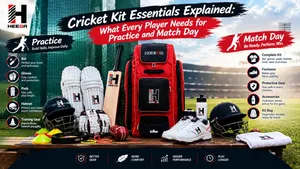 Cricket Kit Essentials Explained: What Every Player Needs for Practice and Match DayDiscover essential cricket kit items for practice and match day, including bats, protective gear, clothing, footwear, and accessories for every player.
 Ordering Cricket Equipment for a Club or Academy: An Overseas Buyer's ChecklistOrdering cricket equipment for your club or academy from overseas? Use this checklist for bats, protective gear, quantities, samples, shipping and quotations.
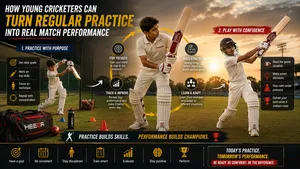 How Young Cricketers Can Turn Regular Practice Into Real Match Performance.Learn how young cricketers can turn regular practice into match performance through realistic drills, match simulations, decision-making, pressure training, and consistency.