Match Ball vs Practice Ball: The Difference

A match ball is made for official games: premium leather, a strong pronounced seam, and balance for true bounce and swing. A practice ball is built for repetition, with lower-grade leather or synthetic material and a simpler seam, at a lower cost. This post sets out the differences and when to use each.
In cricket, every detail matters — from the weight of your bat to the grip of your gloves. But one of the most overlooked decisions players make is choosing between a match ball and a practice ball.
At first glance, they may seem similar. But when it comes to durability, seam quality, and performance, the differences are significant. Whether you're training in the nets or playing a competitive game, using the right ball is key.
In this blog, we’ll break down the real differences between match and practice balls — and help you understand why Heega offers specialized cricket balls for both.
What Is a Match Ball?
A match ball is designed for official games. It is:
- Made from premium quality leather
- Has a strong, pronounced seam
- Balanced for true bounce and swing
- Durable enough for 80+ overs (in red ball) or multiple limited overs matches
Heega Match Balls are hand-stitched and lacquered for consistent performance in competitive play.
What Is a Practice Ball?
A practice ball, on the other hand, is built for repetition. It is:
- Usually made with slightly lower-grade leather or synthetic material
- Has a simpler or softer seam
- Optimized for cost-effectiveness and high-volume use
- Designed to simulate match feel without match-level pricing
Heega Practice Balls offer game-like experience while withstanding daily net sessions and drills.
Key Differences at a Glance
- Feature: Match ball; Practice ball.
- Leather quality: High-grade, polished leather; Durable, mid-grade leather/synthetic.
- Seam type: Prominent, hand-stitched seam; Basic seam, machine/hand-stitched.
- Durability: Withstands multiple innings; Built for repetitive training.
- Cost: Higher (premium finish); Affordable for bulk or daily use.
- Use case: Tournaments, matches; Nets, warm-ups, drills.
Why Using the Right Ball Matters
Using a match ball in the nets will wear it out quickly — wasting your investment. On the flip side, using a practice ball in a match may lead to:
- Inconsistent bounce
- Unnatural swing
- Reduced seam movement
- Lower confidence in the field
Choosing the right ball ensures more accurate training and more dependable match play.
Heega’s Approach: Built for Both Worlds
Heega Sports offers both match and practice balls designed to serve cricketers at all levels:
Heega Match Balls:
- Premium hand-stitched leather
- Durable for long matches
- Enhanced seam for swing and spin
- Polished for game-ready shine
Heega Practice Balls:
- Reinforced for net sessions
- True bounce simulation
- Affordable and long-lasting
- Great for bowlers and throwdowns
Final Thoughts
While both match and practice balls share the same shape and size, their purpose and performance are very different. A true cricketer knows — when you use the right tools for the right task, results follow.
So whether you're grinding it out in the nets or walking out under the lights, Heega cricket balls are ready to meet the moment.
Shop Heega match and practice balls: leather cricket balls and synthetic cricket balls.
Related posts
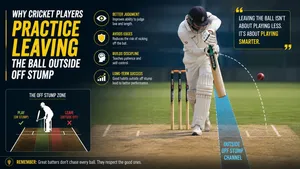 Why Cricket Players Practice Leaving the Ball Outside Off StumpDiscover why cricket players practice leaving the ball outside off stump and how this simple skill improves shot selection, patience, balance, and batting confidence.
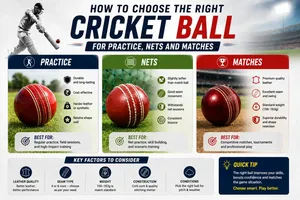 How to Choose the Right Cricket Ball for Practice, Nets and MatchesLearn how to choose the right cricket ball for practice, nets, and matches based on format, material, weight, seam, durability, player level, and use.
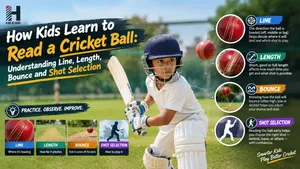 How Kids Learn to Read a Cricket Ball: Understanding Line, Length, Bounce and Shot SelectionLearn how kids can read a cricket ball by understanding line, length, bounce and shot selection to develop better batting skills and confidence.