Precision Matters — Why Every Cricketer Should Use a Ball Gauge

In the world of cricket, precision is not just a requirement—it’s the backbone of fairness, consistency, and performance. While cricket gear like bats, pads, gloves, helmets, and balls are often the highlight of discussions, one small tool silently ensures the integrity of every match: the ball gauge.
Whether you're a player, coach, umpire, or equipment enthusiast, understanding the importance of a ball gauge can elevate your game knowledge and performance. Let’s dive deeper into why this seemingly simple tool holds such massive importance.
What Is a Ball Gauge?
A ball gauge is a compact, usually metallic tool designed to measure the size and shape of a cricket ball. Cricket law specifies the circumference and roundness of the ball, and umpires must ensure these standards are met throughout a match.
A ball gauge usually has:
- A GO ring (the ball must pass through it)
- A NO-GO ring (the ball should NOT pass through it)
This helps check:
- Whether the ball has become out-of-shape
- Whether it still meets match standards
- Whether it needs replacement
This little device ensures the game is always played with a ball that follows regulations.
Why Every Cricketer Should Use a Ball Gauge
### 1. Guarantees Fair Play
A ball out of shape can heavily affect:
- Swing
- Pace
- Bounce
- Spin
Batters may struggle unfairly if the ball becomes too misshaped. Similarly, bowlers might lose effectiveness if it’s overly worn.
A ball gauge ensures the match remains balanced and fair for both teams.
2. Helps Maintain Perfect Ball Shape During Matches
A cricket ball undergoes continuous impact:
- Bowler release
- Bat strikes
- Ground hits
- Fielding throws
This can deform the ball faster than expected.
Using a ball gauge:
- Detects early deformation
- Helps umpires decide when replacement is needed
- Keeps the game flow consistent
This is especially crucial in longer formats like ODI and Test cricket.
3. Essential for Professional Umpiring
Every umpire should have a ball gauge in their kit.
Why?
The Laws of Cricket (Law 4.5) require umpires to:
- Check the ball regularly
- Replace it if too worn or distorted
- Ensure fairness is maintained
Without a gauge, this becomes guesswork.
A ball gauge eliminates doubt and gives accurate, uniform results.
4. Useful for Coaches and Players
Professional coaches and bowlers often use ball gauges during training.
Benefits include:
- Monitoring how quickly different balls lose shape
- Understanding how ball wear affects seam, swing, and grip
- Selecting the best balls for matches
- Comparing ball quality across brands
Players who understand ball condition have a better tactical edge.
5. Helps Extend Ball Life
Using a gauge frequently prevents balls from being used past their limit.
Why this matters:
- Misshaped balls damage bat edges
- They can bounce unpredictably
- They become unsafe at times
- They reduce training effectiveness
A gauge ensures balls are rotated or replaced at the right time, saving money and improving safety.
6. A Must-Have for Cricket Stores & Manufacturers
For retailers and brands dealing in cricket equipment, a ball gauge is an essential tool.
It helps:
- Ensure the products meet official standards
- Maintain quality control
- Reduce customer complaints
- Build trust with serious cricketers
Every manufacturer uses a gauge to certify ball size and roundness before packing.
7. Eliminates Human Error
Eyesight or hand measurement cannot be relied upon for something as precise as ball size.
A ball gauge:
- Removes guesswork
- Provides a definitive pass/fail measurement
- Ensures accuracy every single time
This makes it the most dependable method for ball inspection.
The Impact of Using a Proper Ball Gauge
Using a ball gauge can positively influence:
- Match quality
- Bowling performance
- Batting predictability
- Umpiring consistency
- Training efficiency
It is one of the smallest but most influential tools in cricket.
How Often Should a Ball Be Checked?
Umpires usually check the ball:
- Before the innings starts
- Every time the ball hits the boundary fence
- After multiple overs
- When players complain
- When swing or bounce seems unusually affected
- After suspected ball tampering incidents
A gauge is used each time to verify the ball’s legality.
Types of Ball Gauges Available
1. Standard Metal Ball Gauge
The most common—durable and accurate.
2. Dual-Ring Ball Gauge (GO/NO-GO)
Ensures complete measurement as per ICC standards.
3. Multi-Size Practice Gauge
Useful for academies to check balls of different brands and manufacturing tolerances.
Why You Should Own a Ball Gauge as a Cricketer
- Helps monitor ball condition during practice
- Enhances your game understanding
- Prevents unfair advantage in friendly matches
- Helps manage training equipment more efficiently
- Gives you a professional approach
A serious cricketer should always have one.
Final Thoughts
The cricket ball may be the heart of the game, but the ball gauge is the tool that keeps that heart beating consistently. Whether you play recreationally, compete professionally, or manage cricket equipment, a ball gauge is indispensable.
Its ability to maintain fairness, accuracy, and consistency makes it one of the most important accessories in cricket — even though it’s one of the smallest.
Shop Now — High-Quality Cricket Ball Gauge
Click below to explore premium, durable and accurate ball gauges designed for players, umpires, and cricket professionals.
Related posts
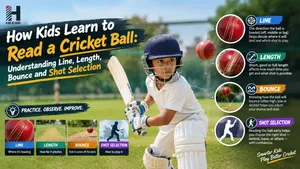 How Kids Learn to Read a Cricket Ball: Understanding Line, Length, Bounce and Shot SelectionLearn how kids can read a cricket ball by understanding line, length, bounce and shot selection to develop better batting skills and confidence.
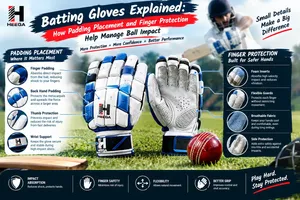 Batting Gloves Explained: How Padding Placement and Finger Protection Help Manage Ball ImpactLearn how batting glove padding placement, finger protection, and fit help manage ball impact. Find practical tips for choosing cricket batting gloves.
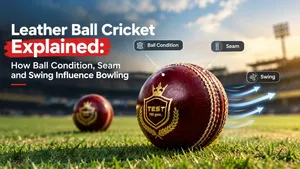 Leather Ball Cricket Explained: How Ball Condition, Seam and Swing Influence BowlingLearn how leather ball cricket works and how ball condition, seam position, shine, and swing influence bowling accuracy, movement, and performance.