The Evolution of Cricket Batting Gloves: From Basics to Pro Gear
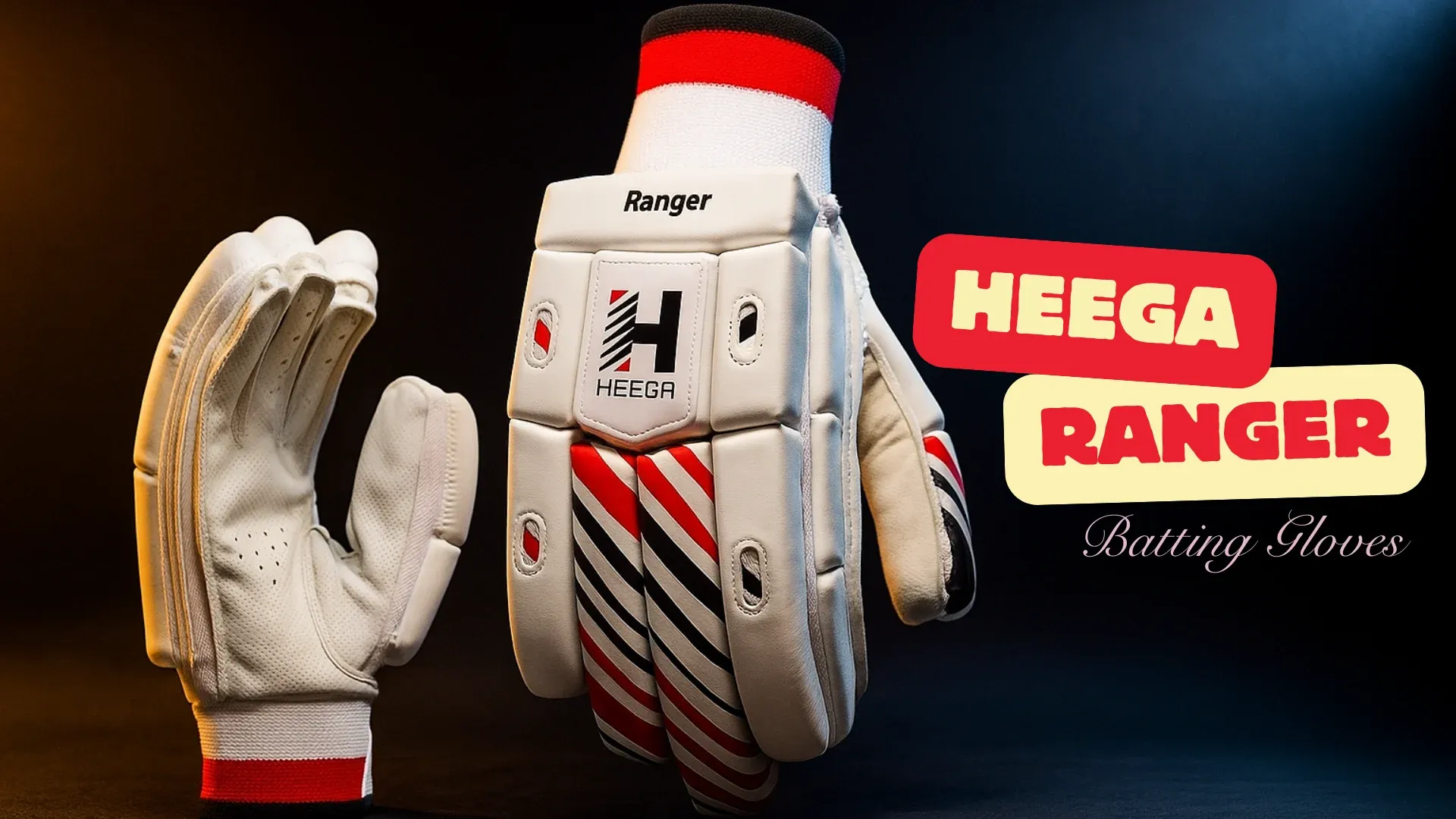
In cricket, the bat often takes the spotlight, but batting gloves are equally crucial. They protect your hands, enhance grip, and improve comfort, allowing batsmen to focus solely on their game. Interestingly, batting gloves weren’t always as advanced as they are today. Like every other piece of cricket equipment, they have gone through a remarkable journey of evolution.
From the basic leather wraps of the past to the state-of-the-art pro gear with advanced padding, ventilation, and ergonomic design—the history of batting gloves is fascinating. This blog explores their evolution, features, and how they became an indispensable part of cricket.
1. The Early Days: Cricket Without Gloves
When cricket began in the 16th and 17th centuries, protective gear was almost nonexistent. Players used bare hands to grip the bat. The game was more about defensive play, and bowlers bowled underarm deliveries, so the impact on hands was minimal.
However, as the game evolved, so did the pace and aggression of bowling. Fast bowlers started to dominate, and batsmen’s hands became increasingly vulnerable. It was clear that some form of protection was required.
2. The Birth of Batting Gloves
The earliest batting gloves appeared in the late 19th century. These were simple designs made of leather, resembling thin winter gloves. Their purpose was primarily to:
- Protect hands from minor bruises.
- Improve grip on the wooden handle.
These early gloves lacked padding and were not very durable. But they set the foundation for what was to come.
3. The Rise of Padded Gloves (Early 20th Century)
By the early 1900s, cricket had already seen legendary fast bowlers like Harold Larwood, who made batsmen acutely aware of hand injuries. This era introduced padded gloves for the first time.
- Cotton padding was stitched onto the palm and fingers.
- The gloves were still bulky but provided much-needed shock absorption.
- Some players even added DIY padding, using towels or cloth under gloves.
Though rudimentary, these padded gloves made batting more secure and boosted confidence against pace attacks.
4. Mid-20th Century: Leather and Cane Reinforcement
As cricket grew faster and more competitive, gloves became more specialized:
- Cane Inserts: Introduced along the fingers for extra shock resistance.
- Thicker Padding: Made from leather-wrapped cotton.
- Adjustable Straps: Added for a tighter fit.
This was also the period when test cricket expanded globally, meaning longer innings and greater demand for comfort. Gloves slowly evolved from “just protection” to “comfort plus performance.”
5. The 1970s–1980s: Revolution in Batting Gloves
This era marked a huge leap in glove technology:
- High-Density Foam: Lightweight yet highly protective.
- Split-Finger Design: Improved flexibility, allowing batsmen to play freely.
- Wrist Support: Velcro straps and padded cuffs for additional security.
By now, gloves were becoming essential cricket gear, with players no longer treating them as optional. Companies started focusing on branded, specialized designs.
6. The Modern Era (1990s–2000s): Comfort Meets Technology
The 1990s saw innovations that shaped today’s gloves:
- Ventilation Holes: To reduce sweat and keep hands cool.
- Ergonomic Designs: Gloves fitted naturally to the shape of the hand.
- Premium Leather Palms (Pittards/Sheep Leather): Improved grip and durability.
- Dual Padding Systems: Combining foam and cane for maximum impact resistance.
This was also the time when gloves began being marketed as performance-enhancing gear, not just protective wear.
7. Pro Gear of Today: The Ultimate Evolution
Today’s batting gloves are a marvel of sports engineering. They combine protection, comfort, and aesthetics, making them one of the most advanced cricket accessories.
Key Features of Modern Gloves:
- Multi-Layered Protection: High-density foam, reinforced cane, and shock-absorbing materials.
- Ultra-Lightweight: Designed to feel like a second skin without compromising safety.
- Sweat-Wicking Linings: Keep hands dry in long innings.
- Ergonomic Finger Cuts: Allow natural finger movement for better stroke play.
- Superior Grip: Premium leather or synthetic palms for better hold in all weather conditions.
- Customization Options: Players now get gloves tailored to their playing style.
Top brands and pro players collaborate to refine designs, ensuring gloves can handle the fastest bowlers in the world while keeping batsmen comfortable.
8. Role of Batting Gloves in Player Confidence
It’s not just about protection—batting gloves have a psychological impact too:
- Protection Boosts Confidence: Knowing your hands are safe encourages aggressive play.
- Comfort Improves Focus: Players can concentrate on the ball rather than hand pain.
- Style Matters: Sleek gloves with bold designs add personality, boosting morale.
Many players have “lucky gloves” that become part of their identity on the field.
9. The Future of Batting Gloves
With technology advancing rapidly, the future of batting gloves looks exciting:
- Smart Gloves: Embedded sensors to track grip pressure and hand movement.
- Anti-Microbial Fabrics: Prevent odors and bacteria build-up.
- Eco-Friendly Materials: Sustainable production methods for gloves.
- AI-Optimized Design: Custom gloves based on individual playing styles and biomechanics.
The cricket gear industry is moving toward not just protection but performance analytics, where gloves may soon become a training tool.
10. How to Choose the Right Batting Gloves Today
With so many options available, players should consider these factors:
- Protection: Look for multi-layered padding.
- Fit and Comfort: Gloves should feel snug but not restrictive.
- Material: Sheep leather palms for professionals, synthetic options for beginners.
- Flexibility: Split-finger or multi-flex designs allow smooth movement.
- Budget: Pro gloves are costly but worth the investment for regular players.
11. Care and Maintenance Tips
To extend the life of your batting gloves:
- Air-dry them after every match to prevent odor.
- Avoid machine washing—clean with a damp cloth instead.
- Store in a cool, dry place, away from moisture.
- Replace worn-out grips or leather sections if possible.
- Rotate between two pairs if you play regularly.
Conclusion
From simple leather wraps to high-tech pro gear, the journey of batting gloves mirrors the evolution of cricket itself. What started as a basic form of hand protection has transformed into a specialized piece of equipment that influences performance, comfort, and confidence.
Today’s batting gloves are more than just an accessory—they are a player’s shield, grip enhancer, and confidence booster. Whether you’re a beginner buying your first pair or a professional upgrading to the latest model, understanding this evolution helps you appreciate the role gloves play in modern cricket.
Shop Now
Get your premium Heega Batting Gloves today and experience the perfect balance of protection, comfort, and style!
Shop Now
Related posts
 Batting Gloves for Cricket: How Finger Design, Palm Materials and Grip Texture Affect Bat ControlDiscover how cricket batting gloves, finger design, palm materials and grip texture influence bat control, comfort, protection and batting performance.
 Batting Gloves Explained: How Padding Placement and Finger Protection Help Manage Ball ImpactLearn how batting glove padding placement, finger protection, and fit help manage ball impact. Find practical tips for choosing cricket batting gloves.
 Batting Gloves vs Wicketkeeping Gloves: Understanding the Key Differences in CricketLearn the key differences between batting gloves and wicketkeeping gloves, including protection, grip, flexibility, design, fit, and their role in cricket.