The Overlooked Gear: How Socks Prevent Fatigue and Blisters

When it comes to cricket gear, most players focus on the bat, gloves, pads, shoes, and helmet. Rarely does anyone stop to think about socks—those seemingly simple layers of fabric that sit quietly inside your shoes. Yet, socks are far more than just a comfort accessory.
For cricketers who spend long hours in the middle, socks play a critical role in performance, protection, and endurance. From preventing painful blisters to reducing fatigue, they can mean the difference between lasting through a five-hour innings or hobbling off the field with sore feet.
This blog explores why socks matter in cricket, the science behind their design, and how the right pair can elevate your game.
1. The Unsung Role of Socks in Cricket
At first glance, socks might seem like nothing more than cloth between your feet and shoes. But in a sport like cricket, where players:
- Run between wickets repeatedly,
- Stand for hours at the crease,
- Sprint in the field,
- Bowl with high-impact landings,
...their feet are constantly under friction, heat, and pressure.
Socks act as a protective shield, absorbing sweat, reducing friction, and cushioning each step. Without them, even the best cricket shoes would quickly become uncomfortable.
2. The Science of Blisters and Fatigue
Blisters
Blisters occur when friction and moisture weaken the top layer of skin. Cricket shoes, combined with sweat and long hours, create the perfect storm for blisters on the toes, heels, and arches.
Socks prevent this by:
- Wicking moisture away from the skin.
- Reducing friction between the shoe and foot.
- Adding a cushioning layer to distribute pressure.
Fatigue
Foot fatigue happens when muscles tire due to repetitive stress, poor blood circulation, or lack of support. In cricket, this can result in heavy legs, slower running, and reduced concentration.
Quality socks help by:
- Providing arch support to reduce strain.
- Enhancing blood circulation through compression designs.
- Keeping feet cool and dry, reducing energy loss from overheating.
3. What Makes Cricket Socks Different?
Not all socks are made equal. Ordinary cotton socks may work for casual wear, but cricket demands specialized features:
- Moisture-Wicking Fabrics
- Materials like polyester blends or merino wool pull sweat away, keeping feet dry.
- Cushioning Zones
- Extra padding in the heel and toe reduces impact and prevents blisters.
- Compression Fit
- Gentle pressure improves blood flow, delaying fatigue.
- Seamless Toe Construction
- Prevents chafing at the most sensitive spots.
- Breathability
- Mesh panels enhance ventilation, crucial for long matches under the sun.
4. How Socks Work with Shoes
Think of cricket shoes and socks as a partnership. Shoes provide external stability and grip, while socks create the internal comfort layer. A mismatch (great shoes but poor socks) leads to discomfort.
- Bowlers: Need cushioned socks for high-impact landings.
- Batters: Require lightweight, breathable socks for agility.
- Fielders: Benefit from compression socks to delay fatigue during long spells.
5. Common Problems Cricketers Face Without Proper Socks
- Sweaty feet → bad odor and fungal infections.
- Hotspots and friction → painful blisters.
- Thin socks → lack of cushioning for long hours.
- Poor fit → slipping inside shoes, causing instability.
In professional cricket, even small discomforts can affect focus and performance.
6. The Role of Socks in Preventing Injuries
While socks may not stop every injury, they minimize risks of:
- Shin splints (through shock absorption).
- Heel pain (Plantar fasciitis) (via arch support).
- Skin abrasions and calluses.
Many players underestimate how much a blister or sore foot can limit mobility—sometimes forcing substitutions or affecting gameplay.
7. The Psychological Factor
Comfortable gear doesn’t just protect the body—it also clears the mind. When your feet feel supported and blister-free, your focus stays on the match, not on pain. Many professional players stress that comfort accessories like socks directly impact confidence and performance.
8. Tips for Choosing the Right Cricket Socks
- Pick the Right Material: Polyester or merino blends > cotton.
- Go for Extra Cushioning: Especially in heel and toe areas.
- Compression Is a Bonus: Helps in long formats.
- Breathability Matters: Look for mesh zones.
- Length Choice: Crew or knee-high socks protect better than ankle socks in cricket.
9. Caring for Your Socks
- Wash after every use to prevent bacteria buildup.
- Avoid fabric softeners (they reduce wicking ability).
- Replace pairs every season or when cushioning wears off.
10. Case Study: Professionals Who Value Socks
- Fast Bowlers: Known to double-layer socks for maximum blister protection.
- Batters: Often use compression socks in Test matches for reduced fatigue.
- All-Rounders: Prefer reinforced socks to handle long spells and batting stints.
Even elite athletes, with access to world-class shoes, emphasize socks as part of their must-have gear.
Conclusion
Socks might be the most overlooked gear in cricket, but their impact is undeniable. They:
- Prevent blisters and skin damage,
- Reduce fatigue through support and compression,
- Keep feet dry, cool, and comfortable,
- Work as an essential partner to cricket shoes.
The next time you pack your kit, remember—your game doesn’t just rest on your bat or shoes, but also on the silent guardians inside them: your socks.
Step Into Comfort with Heega Cricket Socks
Engineered with moisture-wicking fabric, targeted cushioning, and compression support, Heega socks are built to keep you blister-free and fatigue-free for every over.
Related posts
-300x169.webp) Cricket Bat Toe Protection: How to Prevent Damage and Extend Your Bat’s LifespanLearn how cricket bat toe protection helps prevent moisture damage, reduce wear, protect willow, and extend your bat’s lifespan with proper care.
Cricket Bat Toe Protection: How to Prevent Damage and Extend Your Bat’s LifespanLearn how cricket bat toe protection helps prevent moisture damage, reduce wear, protect willow, and extend your bat’s lifespan with proper care.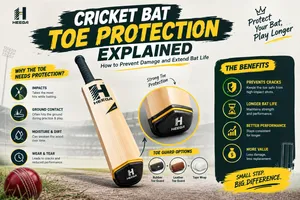 Cricket Bat Toe Protection Explained: How to Prevent Damage and Extend Bat LifeLearn how cricket bat toe protection prevents moisture, cracks and damage. Discover toe guards, maintenance tips and simple ways to extend your bat's life.
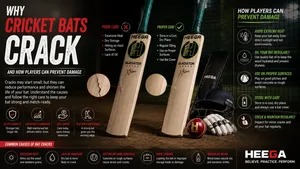 Why Cricket Bats Crack and How Players Can Prevent Damage.Learn why a cricket bat cracks, what causes bat damage, and how proper knocking-in, maintenance, storage, and playing habits can extend bat life.