What Happens to a Cricket Ball After Every Over? Understanding Wear, Shine, and Performance

Introduction: A Cricket Ball Changes Throughout the Match
At the beginning of a cricket match, the ball looks almost perfect.
Its surface is clean.
The seam is clearly defined.
The leather is relatively smooth.
The shine is noticeable.
But after several overs, that same ball can look completely different.
It may develop:
- Scratches.
- Scuff marks.
- Dirt.
- Flattened areas.
- A worn seam.
- Changes in shine.
- Moisture.
These changes are not simply cosmetic.
The condition of the ball can influence how it behaves.
For bowlers, this can affect:
- Swing.
- Seam movement.
- Grip.
- Spin.
- Control.
For batters, changes in ball condition can alter how the delivery feels and behaves.
This is one of the fascinating aspects of cricket: the ball itself evolves during the match.
What Is a Cricket Ball Made From?
A traditional cricket ball contains several important components.
These generally include:
- A solid core.
- Layers of wound material.
- Leather outer covering.
- A stitched seam.
The exact construction can vary depending on the manufacturer and ball type.
Why the Outer Leather Matters
The leather surface is the part that interacts directly with:
- The bat.
- The pitch.
- The air.
- The player's hands.
As the surface changes, the ball's characteristics can change as well.
The Seam Is One of the Ball's Most Important Features
The raised seam divides the two sides of the ball.
Bowlers use the seam to influence how the ball interacts with:
- The air.
- The pitch.
- The batter's bat.
What Happens During the First Few Overs?
A new cricket ball begins its match life in excellent condition.
The seam is prominent.
The leather is relatively smooth.
The ball can feel firm and responsive.
Fast bowlers often try to make the most of this early period.
Why the New Ball Is Important
A new ball can provide bowlers with opportunities for:
- Swing.
- Seam movement.
- Pace.
- Bounce.
However, the amount of movement depends on the conditions and the individual delivery.
The First Impact Changes the Ball
The first delivery creates a small amount of wear.
Then another.
And another.
Every impact contributes to the gradual transformation of the ball.
Bat Impact Creates Surface Marks
When the ball strikes the bat, the leather can develop marks.
Repeated contact can create:
- Scuffs.
- Scratches.
- Dirt.
- Surface roughness.
The Pitch Also Wears the Ball
The ball repeatedly hits the pitch.
The surface of the pitch can contain:
- Grass.
- Soil.
- Dust.
- Abrasive particles.
These gradually affect the leather.
The Outfield Adds More Wear
When a batter plays a ground shot, the ball may travel across the outfield.
Grass and ground debris can add further marks to the surface.
Fielders Also Affect Ball Condition
Every throw contributes to the ball's journey.
A ball may:
- Bounce.
- Roll.
- Strike the ground.
- Be caught.
- Be returned quickly.
Over time, these interactions add up.
Why the Ball Doesn't Stay Perfectly Round Forever
Repeated impact can gradually affect the ball's shape.
This does not necessarily happen quickly.
But over a long innings, the ball can experience significant physical stress.
The condition of the ball is therefore monitored by match officials.
What Is Ball Shine?
A new cricket ball has a relatively smooth and polished surface.
As the ball is used, players may try to maintain one side of it in better condition than the other.
This difference between the two sides can be important for swing bowling.
Why Bowlers Try to Maintain the Shine
Swing bowling depends on airflow around the ball.
The condition and orientation of the ball can influence that airflow.
Bowlers therefore traditionally try to keep one side as smooth and shiny as practical within the laws of the game.
Shine Does Not Automatically Create Swing
This is an important distinction.
Swing depends on several variables.
These include:
- Ball speed.
- Seam orientation.
- Ball condition.
- Airflow.
- Atmospheric conditions.
- Delivery angle.
Shine is one factor, not a guarantee.
Conventional Swing
Conventional swing generally refers to the ball moving through the air because of differences in airflow around its two sides.
The condition of the ball can influence this behavior.
Why the Seam Matters for Swing
The seam can influence airflow around the ball.
Bowlers attempt to present it in particular positions to encourage movement.
What Happens as the Ball Gets Older?
As overs accumulate, the ball generally becomes more worn.
The seam may become less pronounced.
The surface may become rougher.
The ball may develop more obvious scuffing.
These changes can alter how bowlers approach their deliveries.
The Ball's Shine Becomes Harder to Maintain
A new ball naturally loses its original appearance through use.
Players may polish one side using methods permitted by the laws and match regulations.
The objective is to preserve a difference between the two surfaces.
Why Players Polish the Ball
Ball polishing has traditionally been associated with swing bowling.
A smoother surface can interact differently with airflow compared with a rougher surface.
Sweat and Moisture Can Affect the Ball
Weather and handling can change the ball's condition.
A wet ball can be more difficult to control.
This is particularly relevant for:
- Fast bowlers.
- Spin bowlers.
- Fielders.
Why a Wet Ball Can Be Difficult to Grip
A slippery surface makes it harder to control the release.
This can affect:
- Seam position.
- Wrist position.
- Spin.
- Accuracy.
Dew Can Create Problems
In evening matches, dew can settle on the field.
If the ball becomes damp, bowlers may struggle to maintain the same level of control.
Why Spinners Notice Ball Condition
Spin bowling depends heavily on how the fingers and wrist interact with the ball.
A change in grip can affect:
- Revolutions.
- Flight.
- Turn.
- Accuracy.
Roughness Can Become Useful to Spinners
As a ball becomes older and rougher, spin bowlers may find different ways to use its condition.
The rough surface can interact differently with the pitch and the fingers.
Ball Condition and Reverse Swing
Older-ball bowling can introduce another type of movement commonly associated with reverse swing.
This is a complex phenomenon influenced by:
- Ball condition.
- Seam orientation.
- Speed.
- Airflow.
- Delivery technique.
It is not simply caused by one side being shiny.
Why Reverse Swing Is Different
With reverse swing, the ball can move in a direction that differs from the conventional swing expected from a newer ball.
This can make older-ball bowling particularly difficult for batters.
Why Fast Bowlers Care About Ball Condition
A fast bowler may constantly assess:
- Which side is smoother.
- How visible the seam is.
- Whether the ball is moving.
- How the pitch is behaving.
- How much pace remains.
These observations influence bowling decisions.
The Ball and the Pitch Work Together
Ball behavior cannot be separated from the pitch.
The same ball can behave differently on:
- A green surface.
- A dry pitch.
- A dusty pitch.
- A hard pitch.
- A worn pitch.
Seam Movement Off the Pitch
A bowler can land the seam in a way that encourages the ball to deviate after pitching.
A more pronounced seam can provide opportunities when the pitch offers suitable conditions.
Why Seam Bowlers Watch the Pitch
They look for:
- Grass.
- Cracks.
- Moisture.
- Footmarks.
- Surface variation.
The ball's condition and pitch condition work together.
The Ball Can Influence Batting Too
Batters don't just react to the bowler.
They react to the ball.
A worn ball may:
- Behave differently.
- Have a less prominent seam.
- Come off the pitch differently.
- Feel different on contact.
New Ball Batting Can Be Challenging
A new ball may provide bowlers with movement and bounce.
Batters often need to be particularly disciplined early in an innings.
Older Ball Batting Can Feel Different
As the ball loses some of its initial characteristics, batting conditions may change.
However, the exact effect depends heavily on the pitch and weather.
Why Batters Watch the Seam
A batter tries to identify:
- Seam position.
- Release.
- Swing.
- Length.
- Line.
Reading the ball early can help improve shot selection.
Why the Ball's Color Matters
The outer leather is colored according to the type of cricket ball.
Traditional red balls are widely used in longer-format cricket.
White balls are commonly used in limited-overs cricket.
Pink balls are used in certain day-night Test matches.
Red Ball Wear
Red balls can become increasingly worn during long matches.
The color may become less vibrant as the surface accumulates marks and dirt.
White Ball Wear
White balls face a different visual challenge.
They need to remain visible under floodlights.
Surface wear and dirt can therefore have practical significance.
Why White Balls Are Used at Night
White provides visibility under artificial lighting.
This makes it suitable for many limited-overs matches.
Pink Ball Conditions
Pink balls are designed for visibility in day-night Test conditions.
Their construction and treatment are intended to balance visibility with durability.
Why Ball Visibility Matters
Players need to see the ball clearly.
Poor visibility can affect:
- Batting.
- Fielding.
- Wicketkeeping.
- High catches.
How the Ball Changes During an Over
Even within a single over, the ball can experience:
- Bat contact.
- Pitch impact.
- Ground contact.
- Fielder handling.
This means ball condition is constantly evolving.
How Captains Use Ball Condition
Captains may adjust bowling plans based on the ball.
They might consider:
- Which bowler can exploit current movement.
- Whether the ball is reversing.
- How much grip spinners have.
- How old the ball is.
Why Ball Age Matters
In many forms of cricket, the age of the ball is an important strategic factor.
Different bowlers may become more effective at different stages.
New-Ball Bowlers
Fast and swing bowlers often benefit from the characteristics of a newer ball.
They may attack the batter with:
- Full deliveries.
- Seam movement.
- Swing.
- Pace.
Older-Ball Bowlers
Later in an innings, bowlers may use:
- Reverse swing.
- Cutters.
- Slower balls.
- Spin.
The effectiveness depends on the format and conditions.
Ball Condition in Test Cricket
Test cricket gives the ball a long life.
It may be used for many overs before being replaced.
This creates several phases of ball behavior.
The New-Ball Phase
Early movement can create pressure.
The Middle Phase
The ball becomes older and more worn.
Bowlers may need to rely more heavily on pitch conditions and variations.
The Older-Ball Phase
Ball condition can become increasingly important.
Reverse swing and spin may become tactical options.
Ball Condition in One-Day Cricket
Limited-overs cricket has different rules and strategies around ball use.
The ball's condition can change rapidly because of:
- Frequent boundaries.
- High scoring rates.
- Ground contact.
Ball Condition in T20 Cricket
T20 matches are short.
The ball may not reach the same age as in a Test match.
However, its condition can still change significantly through repeated impacts.
Why Boundary-Hitting Can Accelerate Wear
A powerful batter can send the ball:
- Into the boundary.
- Over the boundary.
- Across the outfield.
Repeated ground contact can contribute to surface wear.
What Happens When the Ball Hits the Boundary Rope?
The exact effect depends on the ball's interaction with the surface.
Repeated contact with abrasive areas can contribute to scuffing.
Why Fielders Handle the Ball Carefully
Fielders return the ball constantly.
They may also try to preserve its condition in ways permitted by the laws.
Ball Maintenance Must Follow the Laws
Players cannot simply manipulate the ball however they want.
Cricket has rules governing ball condition.
Officials monitor the ball and can intervene when necessary.
Why Illegal Ball Alteration Is Serious
Changing the ball through prohibited methods can provide an unfair advantage.
This is why ball condition is an important area of match regulation.
Natural Wear vs Artificial Alteration
Natural wear occurs through normal play.
Artificial alteration involves intentionally changing the ball outside the permitted methods.
The distinction matters.
Why Umpires Inspect Cricket Balls
Officials may check whether a ball remains suitable for play.
They can replace a ball when necessary according to the laws and match regulations.
What Happens When a Ball Is Lost?
If a ball is hit out of the playing area or becomes unavailable, a replacement may be required.
The replacement process depends on the format and competition rules.
Replacement Balls and Condition
A replacement ball may need to be selected to match the condition of the previous ball as closely as practical under the applicable regulations.
This is important because ball condition can influence the balance between bat and ball.
Why Bowlers Examine the Ball Before Delivery
You may notice bowlers looking closely at the ball.
They may be checking:
- Seam condition.
- Smooth side.
- Rough side.
- Grip.
- General wear.
These observations can influence their approach.
Why Players Rub the Ball
Within the laws and regulations, players may polish the ball using permitted methods.
This is traditionally done to maintain the desired surface condition.
Ball Care During Training
Players should also understand ball maintenance during practice.
Leather balls should be:
- Kept dry when possible.
- Stored appropriately.
- Protected from unnecessary damage.
Practice Balls vs Match Balls
Training balls are not always identical to match balls.
Practice balls may be designed for:
- Nets.
- Coaching.
- Batting drills.
- Bowling drills.
Match balls are designed for competitive play.
Why Practice Ball Condition Matters
Coaches need consistent equipment.
A heavily damaged practice ball may behave unpredictably.
Replacing excessively worn training balls can improve the quality of practice.
How Players Can Recognize a Worn Ball
Signs may include:
- Deep scratches.
- Flattened seam.
- Significant discoloration.
- Loose stitching.
- Severe surface damage.
When Should a Practice Ball Be Replaced?
If a ball no longer behaves consistently or has significant structural damage, it may be time to replace it.
Ball Condition and Cricket Equipment
The ball is only one part of the equipment system.
Players also need:
- Suitable bats.
- Protective gear.
- Gloves.
- Pads.
- Helmets.
- Shoes.
- Kit bags.
Why the Right Ball Matters for Batting Practice
Using a suitable ball allows players to train specific skills safely and consistently.
For example:
- Softer balls for beginner drills.
- Practice leather balls for technical development.
- Match-quality balls for advanced preparation.
Why Coaches Use Different Balls
Different balls can help create different training environments.
This allows players to practice:
- Reaction.
- Timing.
- Shot selection.
- Bowling control.
Cricket Balls Across Different Playing Environments
Cricket is played across Nepal, Germany, the United States, Canada, the Netherlands, and the United Kingdom.
Players in these regions can experience very different combinations of:
- Weather.
- Pitches.
- Training surfaces.
- Match formats.
Understanding ball behavior helps players adapt.
Nepal
Players developing cricket in Nepal can encounter different pitch and weather conditions across venues.
Learning to read ball movement is an important part of batting and bowling development.
Germany
Indoor and outdoor cricket environments can create different training conditions.
Players can use practice sessions to understand how different balls respond to different surfaces.
United States
The growing cricket environment in the USA includes multiple formats and playing surfaces.
Players need to adapt to changing ball behavior.
Canada
Seasonal cricket creates a strong role for indoor training.
Players can continue developing their ability to read and control the ball during the off-season.
Netherlands
Variable outdoor conditions make awareness of ball movement particularly useful.
United Kingdom
The UK's long cricket tradition includes a wide range of pitch and weather conditions, giving players extensive opportunities to learn how ball behavior changes.
How to Make the Most of Ball Condition
Players can develop better awareness by asking:
- Is the ball moving?
- Is the seam upright?
- Is one side smoother?
- Is the ball gripping?
- Is the pitch helping?
- Is the outfield slowing the ball?
These questions improve match awareness.
What Batters Should Observe
Batters should pay attention to:
- Release.
- Seam.
- Swing.
- Bounce.
- Pace.
- Surface response.
What Bowlers Should Observe
Bowlers should assess:
- Ball condition.
- Pitch condition.
- Wind.
- Moisture.
- Batter's response.
What Fielders Should Observe
Fielders should be aware of:
- Ball speed across the outfield.
- Bounce.
- Moisture.
- Grip.
Why Ball Condition Is Part of Cricket Strategy
Cricket is not simply about delivering the ball.
It is about understanding how the ball is behaving.
A smart team continuously evaluates the situation.
Heega Sports and Cricket Training
At Heega Sports, we understand that players need reliable cricket equipment to practice effectively.
Our cricket range includes:
- Leather cricket balls.
- Practice cricket balls.
- Kashmir Willow cricket bats.
- English Willow cricket bats.
- Batting gloves.
- Batting pads.
- Cricket helmets.
- Cricket shoes.
- Cricket kit bags.
- Practice nets.
- Training accessories.
Using suitable equipment allows players to develop their understanding of how different balls behave during training.
Final Thoughts
A cricket ball may look like a simple piece of equipment, but its condition is constantly changing.
Every delivery adds another impact.
The bat creates marks.
The pitch contributes wear.
The outfield adds dirt.
Fielders return the ball.
Weather introduces moisture.
The seam gradually changes.
The shine becomes harder to maintain.
Over time, these small changes can influence how the ball behaves.
For bowlers, the changing ball can create different opportunities for swing, seam movement, reverse swing, spin, and variations.
For batters, the changing condition means they must continually adapt to what they see and feel.
For captains, ball condition becomes another factor in deciding which bowlers to use and how to approach different phases of an innings.
That is what makes cricket so fascinating.
The ball is not exactly the same object at the end of an innings as it was at the beginning.
It has a history.
Every delivery leaves a mark.
The longer a cricket ball is used, the more its condition becomes part of the story of the match.
🏏 Train With the Right Cricket Ball
Explore quality leather cricket balls, practice balls, cricket bats, batting gloves, pads, helmets, shoes, kit bags, practice nets, and training accessories at Heega Sports.
Shop Now
Heega Sports – Helping Players Train Better and Understand the Game Deeper.
Related posts
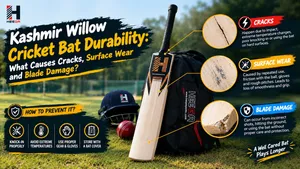 Kashmir Willow Cricket Bat Durability: What Causes Cracks, Surface Wear and Blade Damage?Discover what affects Kashmir Willow cricket bat durability, why cracks and surface damage occur, and how proper care can extend your bat's lifespan.
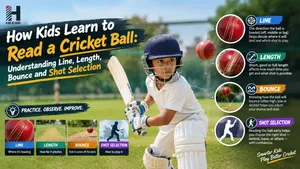 How Kids Learn to Read a Cricket Ball: Understanding Line, Length, Bounce and Shot SelectionLearn how kids can read a cricket ball by understanding line, length, bounce and shot selection to develop better batting skills and confidence.
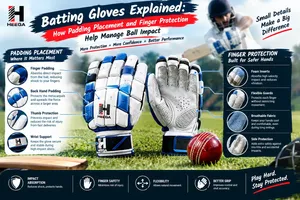 Batting Gloves Explained: How Padding Placement and Finger Protection Help Manage Ball ImpactLearn how batting glove padding placement, finger protection, and fit help manage ball impact. Find practical tips for choosing cricket batting gloves.