When Should Kids Move From Soft Ball Cricket to Leather Ball Cricket?

Introduction: The Switch to Leather Ball Cricket Is an Important Milestone
One of the biggest questions parents ask during their child's cricket journey is:
"When should my child start playing with a leather cricket ball?"
There is no single age that applies to every child.
Some young cricketers are ready earlier because they have developed good technique and confidence, while others benefit from spending more time practicing with soft or training balls.
Moving to a leather ball too early can make children nervous and affect their batting technique.
Waiting too long, however, may slow their development once they are physically and technically ready.
The best transition happens when children have built a strong foundation with basic cricket skills and are introduced to leather ball cricket gradually under qualified coaching.
Across Nepal, Germany, the United States, Canada, the Netherlands, and the United Kingdom, junior cricket coaches focus on a player's readiness rather than age alone.
This guide explains how parents can recognize the right time to make the transition.
Why Beginners Usually Start With Soft Ball Cricket
Soft ball cricket allows children to learn without fear.
Young players can comfortably practice:
- Batting stance
- Grip
- Swing mechanics
- Catching
- Throwing
- Bowling basics
Because the ball is softer, children are often more confident during their early training sessions.
There Is No Fixed Age
Instead of focusing only on age, coaches usually consider:
- Batting technique
- Confidence
- Physical coordination
- Safety awareness
- Coaching experience
Many children begin learning leather ball cricket between 9 and 12 years, but individual readiness always matters more.
Signs Your Child May Be Ready
Your child may be prepared if they:
- Consistently watch the ball well.
- Play soft-ball cricket confidently.
- Demonstrate good batting technique.
- Catch confidently with proper technique.
- Listen carefully to coaching instructions.
- Show enthusiasm for learning.
These signs often indicate readiness for the next step.
Physical Development Matters
Leather cricket balls are heavier than soft balls.
Children should have enough strength to:
- Hold the bat comfortably.
- Control their shots.
- Throw accurately.
- Bowl with proper action.
Strong basic coordination reduces injury risk.
Confidence Is Just as Important
Some children have excellent technique but still feel uncomfortable facing a leather ball.
Parents should never rush the transition.
Confidence develops gradually through:
- Practice
- Encouragement
- Positive coaching
- Proper safety equipment
Proper Coaching Makes the Difference
The first experience with a leather ball should always happen under qualified supervision.
Good coaches introduce players gradually through:
- Throw-down drills
- Controlled bowling
- Batting practice
- Fielding exercises
Children learn safely while building confidence.
Safety Equipment Becomes Essential
Once children begin leather ball cricket, protective equipment is no longer optional.
Players should use:
- Cricket helmet
- Batting gloves
- Batting pads
- Abdominal guard
- Cricket shoes
Quality protective equipment allows children to focus on learning.
Bat Selection Also Becomes More Important
As children transition to leather ball cricket, they often require:
- Better-quality Kashmir Willow bat
- Correct bat size
- Comfortable bat weight
A properly fitted bat improves timing and shot control.
Practice Before Competitive Matches
Parents should avoid placing children directly into leather ball matches.
Instead, players should spend time:
- Practicing in nets
- Facing throw-downs
- Learning match awareness
- Improving defensive technique
Confidence grows through repetition.
Common Mistakes Parents Should Avoid
Avoid these common mistakes:
- Switching too early because friends have already moved.
- Buying heavy adult equipment.
- Ignoring safety gear.
- Expecting immediate success.
- Comparing children with others.
Every child develops differently.
Nepal: Supporting Youth Development
As junior cricket continues growing across Nepal, structured leather ball coaching is helping young players make smoother transitions.
Germany: Introducing Leather Ball Cricket Safely
German cricket clubs increasingly introduce leather ball cricket through age-appropriate coaching programs.
The United States: Building Strong Foundations
Youth academies across America continue emphasizing gradual progression from soft ball to leather ball cricket.
Canada: Preparing Players Step by Step
Canadian coaches encourage technical development before competitive leather ball cricket.
The Netherlands: Focus on Long-Term Learning
Dutch cricket programs promote gradual progression that prioritizes confidence over speed.
The United Kingdom: A Proven Development Model
British junior cricket has long followed structured pathways that introduce leather ball cricket only after players demonstrate readiness.
How Heega Sports Supports the Transition
At Heega Sports, we understand that moving to leather ball cricket is one of the biggest milestones in a young player's journey.
Our range includes equipment designed to support this transition safely and confidently.
Our collection includes:
- Kashmir Willow cricket bats
- Leather cricket balls
- Practice balls
- Batting gloves
- Batting pads
- Cricket helmets
- Practice nets
- Cricket kit bags
- Training accessories
Whether your child is preparing for their first leather ball practice or beginning competitive cricket, Heega Sports provides dependable equipment for every stage of development.
Expert Tips for Parents
To make the transition easier:
- Let your child's coach guide the timing.
- Prioritize confidence over competition.
- Invest in proper protective equipment.
- Encourage regular practice before matches.
- Celebrate progress rather than immediate results.
A gradual transition produces better long-term players.
Final Thoughts
Moving from soft ball cricket to leather ball cricket is an exciting step in every young cricketer's development.
The best time to make the switch depends not only on age but also on confidence, technique, coordination, and proper coaching.
Across Nepal, Germany, the United States, Canada, the Netherlands, and the United Kingdom, experienced coaches continue proving that gradual progression helps children enjoy the game while developing safely.
With the right preparation, proper equipment, and patient guidance, young players can confidently take the next step in their cricket journey.
🏏 Prepare for Leather Ball Cricket with Heega Sports
Explore premium-quality Kashmir Willow bats, leather cricket balls, batting gloves, pads, helmets, cricket kit bags, practice nets, and training accessories designed to help young cricketers transition safely and confidently.
Shop Now
Heega Sports – Supporting Every Step of Your Child's Cricket Journey.
Related posts
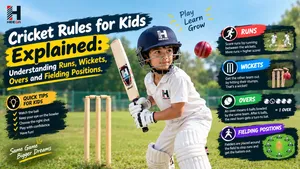 Cricket Rules for Kids Explained: Understanding Runs, Wickets, Overs and Fielding Positions.Learn cricket rules for kids, including runs, wickets, overs, fielding positions, batting, bowling, and basic match rules in a simple beginner's guide.
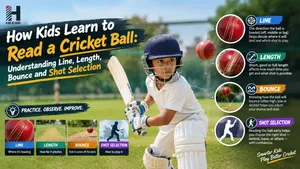 How Kids Learn to Read a Cricket Ball: Understanding Line, Length, Bounce and Shot SelectionLearn how kids can read a cricket ball by understanding line, length, bounce and shot selection to develop better batting skills and confidence.
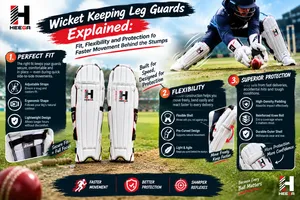 Wicket Keeping Leg Guards Explained: Fit, Flexibility and Protection for Faster Movement Behind the StumpsDiscover how to choose wicketkeeping leg guards with the right fit, flexibility, and protection for quicker movement, comfortable crouching, and confident keeping.