Why Cricket Bats Crack: The Common Causes and How Players Can Prevent Damage

Introduction: Why Do Cricket Bats Crack?
A cricket bat is designed to handle repeated impacts.
Every time a batter plays a shot, the ball strikes the wooden blade with considerable force.
During a single training session, a bat may face hundreds of impacts.
Over an entire season, that number can become enormous.
So it is normal for a cricket bat to show some signs of use over time.
However, there is an important difference between normal wear and serious damage.
Small surface marks, dents, and minor compression can develop as a bat is used.
Larger cracks, deep splits, damaged edges, or structural problems require more attention.
Many players assume that a cracked bat is automatically the result of poor manufacturing.
That is not always the case.
Cracks can develop because of:
- Repeated impact.
- Hard cricket balls.
- Poor preparation.
- Excessive moisture.
- Very dry conditions.
- Mis-hits.
- Edge impacts.
- Yorker damage.
- Poor storage.
- Incorrect bat care.
- Excessive use during training.
The good news is that proper care can reduce unnecessary damage and help a cricket bat remain usable for longer.
Cricket Bats Are Made From Natural Wood
One of the most important things to understand is that cricket bats are made from wood.
Common cricket bat materials include:
- Kashmir Willow.
- English Willow.
Wood is a natural material.
It responds to changes in moisture, temperature, pressure, and repeated impact.
This means even a high-quality bat is not completely immune to wear.
Why Wood Develops Cracks
A cricket bat experiences repeated compression every time it strikes the ball.
Over time, this stress can cause small separations within the wood.
If the bat continues receiving heavy impacts without proper care, a small area of damage may become more noticeable.
This is why early inspection is important.
Not Every Line on a Bat Is a Serious Crack
Players sometimes become worried when they see a small line appearing on the blade.
But not every visible mark represents structural failure.
A bat may develop:
- Surface marks.
- Natural grain lines.
- Small indentations.
- Minor seam marks.
- Surface cracks.
The severity depends on the location, depth, length, and progression of the damage.
If you are unsure, having the bat inspected by an experienced bat repair professional is safer than assuming the damage is harmless.
The Most Common Cause: Repeated Ball Impact
The biggest source of stress on a cricket bat is obvious:
the cricket ball.
Every delivery creates impact.
The harder and faster the ball, the greater the stress placed on the blade.
Players who train frequently can therefore expose their bats to thousands of impacts.
Hard Cricket Balls Can Increase Wear
Leather cricket balls are designed for competitive cricket and can be significantly harder than many training balls.
Repeated use with hard balls can gradually mark the blade.
This is particularly relevant for players who use the same bat for:
- Nets.
- Practice matches.
- Club cricket.
- Competitive matches.
Mis-Hits Can Damage the Bat
Cricket bats are designed to perform best when the ball contacts the appropriate hitting area.
But not every shot is perfectly timed.
Balls can strike:
- The toe.
- The edges.
- The lower blade.
- The splice area.
These impacts can create greater localized stress.
Why Edge Hits Are Risky
The edges are thinner than the central part of the blade.
Repeated impacts around the edges can therefore create dents or cracks more easily than clean contact near the central hitting area.
This is especially important for players who regularly face fast bowling.
Toe Damage Is Common
The toe of the bat can receive significant punishment.
Yorkers, low full tosses, and poorly timed defensive shots can all send the ball toward the lower part of the blade.
Repeated toe impacts may cause:
- Splitting.
- Compression.
- Chipping.
- Surface damage.
Why Yorker Damage Can Be Serious
A fast yorker arrives near the batter's feet.
If the batter mistimes the delivery, the ball can strike the lower blade or toe with considerable force.
This is one reason toe protection and proper bat maintenance matter.
Excessive Use Can Shorten Bat Life
A cricket bat is not designed to last forever.
Even a premium bat has a practical lifespan based on:
- Usage.
- Ball type.
- Playing level.
- Bat quality.
- Care.
- Conditions.
A player who trains every day may naturally wear out a bat faster than someone who plays occasionally.
Practice Bat vs Match Bat
Some serious players choose to use different bats for training and matches.
A dedicated practice bat can absorb much of the routine net-session wear.
This can help preserve a match bat for important games.
Why Bat Preparation Matters
New willow bats need appropriate preparation before facing repeated high-impact cricket balls.
This process is commonly associated with:
- Knocking-in.
- Gradual use.
- Surface preparation.
The exact preparation method depends on the bat and manufacturer's recommendations.
What Is Knocking-In?
Knocking-in is a process used to gradually prepare the willow for regular cricket-ball impact.
Traditionally, a bat is carefully struck with a mallet over relevant areas of the blade.
The objective is to compress and condition the surface progressively.
Why Skipping Preparation Can Be Risky
A player may be tempted to take a brand-new bat directly into a match.
This can expose relatively unprepared willow to intense impact.
Gradual preparation can help reduce unnecessary early damage.
Do All Cricket Bats Need the Same Preparation?
No.
Different bats may have different preparation requirements.
Some products may be sold as partially prepared or ready for use, while others require more extensive preparation.
Players should follow the manufacturer's instructions rather than applying the same method to every bat.
Moisture Can Affect Cricket Bats
Because wood naturally responds to moisture, storage conditions matter.
Excessive moisture can create problems over time.
A bat should not be left:
- In wet areas.
- Against damp walls.
- Inside a wet kit bag.
- In areas with persistent humidity.
Why Damp Storage Is a Problem
Wood can absorb moisture.
Changes in moisture content can contribute to changes in the wood's condition and stability.
Players should therefore store bats in a dry and suitable environment.
Extremely Dry Conditions Can Also Matter
Avoiding moisture does not mean exposing a bat to excessive dryness.
Very dry environments can also affect natural wood.
Sudden environmental changes are generally best avoided.
Temperature Changes Matter Too
Leaving a cricket bat in extreme temperatures can be harmful.
Players should avoid storing bats:
- Inside extremely hot vehicles.
- Directly in strong sunlight.
- Near heaters.
- In excessively damp locations.
Stable storage conditions are preferable.
Never Leave Your Bat in a Hot Car
A car can become extremely hot when parked under direct sunlight.
That environment can be harsh on wooden equipment and other cricket gear.
A bat should ideally be stored somewhere cool, dry, and protected from direct heat.
Why Direct Sunlight Should Be Avoided
Long exposure to intense sunlight can heat the wood and affect surface materials.
When the bat is not being used, storing it away from direct sunlight is a simple precaution.
Cricket Ball Quality Also Matters
Not every training ball creates the same amount of stress.
Players may use:
- Leather cricket balls.
- Practice leather balls.
- Synthetic balls.
- Soft training balls.
The appropriate ball depends on the training purpose.
Use the Right Ball for the Right Session
If the goal is technical practice, players do not always need to use the hardest available ball.
Using suitable training equipment can reduce unnecessary equipment wear.
Why Tennis-Ball Cricket Can Be Useful
Tennis-ball or soft-ball training can allow players to practice:
- Footwork.
- Shot selection.
- Timing.
- Movement.
without subjecting the bat to the same level of impact associated with harder cricket balls.
Avoid Using a Match Bat for Every Drill
A player may have one favorite bat and want to use it for everything.
But repeated drills can create unnecessary wear.
Using appropriate training equipment can help preserve the main bat.
Inspect Your Bat Regularly
One of the easiest ways to prevent a small problem from becoming a major one is regular inspection.
Players should check:
- Toe.
- Edges.
- Blade.
- Splice.
- Handle.
- Grip.
- Face.
- Back.
Check the Edges
Look for:
- New dents.
- Splits.
- Deep marks.
- Loose wood.
- Changes in existing damage.
Small edge problems should be addressed early.
Check the Toe
The toe receives significant impact during cricket.
Inspect it regularly for:
- Cracks.
- Splitting.
- Moisture damage.
- Excessive compression.
Check the Splice
The splice is the area where the handle joins the blade.
This is a critical part of the bat's construction.
Any significant movement or damage around this area should be taken seriously.
Check the Handle
The handle absorbs vibration and transfers energy between the batter's hands and the blade.
Players should pay attention to:
- Looseness.
- Unusual movement.
- Cracking.
- Changes in feel.
Why Grip Maintenance Matters
The grip is not only about comfort.
It helps the batter maintain control of the bat.
A worn or damaged grip should be replaced when necessary.
Avoid Throwing Your Bat
A bat should never be treated like a piece of equipment that can simply be dropped or thrown.
Impact against hard surfaces can damage the toe and edges.
Don't Rest the Bat on Wet Ground
A wet surface can expose the lower part of the bat to unnecessary moisture.
When possible, keep the bat on a dry surface.
Avoid Using the Bat Against Inappropriate Balls
Cricket bats should be used with suitable cricket equipment.
Using a bat against unusually hard objects or inappropriate training equipment can cause damage.
Why Batting Machines Can Increase Repetition
Bowling machines allow players to face large numbers of deliveries.
This is excellent for skill development.
But it also means the bat receives repeated impacts.
Players should inspect the bat more frequently when using high-volume training.
High-Level Players Wear Out Equipment Faster
Professional and serious club players can put enormous demands on their equipment.
A batter facing fast bowling regularly may naturally experience more bat wear.
This does not necessarily mean the bat is defective.
Kashmir Willow vs English Willow
Both types are widely used in cricket.
However, their characteristics and typical price ranges can differ.
Kashmir Willow bats are popular for:
- Durability.
- Training.
- Club cricket.
- Beginners.
- Value-oriented players.
English Willow is widely associated with:
- High-level cricket.
- Performance-focused bats.
- Professional and advanced players.
Regardless of willow type, proper care remains important.
Why Grade Does Not Make a Bat Crack-Proof
Players sometimes assume that a higher-grade bat cannot crack.
That is not true.
Willow grade can influence appearance and performance characteristics, but every wooden bat remains subject to impact and environmental conditions.
More Expensive Does Not Mean Indestructible
A premium cricket bat is still made from natural wood.
Even an expensive bat can develop damage if it is:
- Misused.
- Poorly stored.
- Improperly prepared.
- Exposed to repeated severe impacts.
Can Cracks Be Repaired?
Some cricket bat damage can be repaired.
The appropriate solution depends on the severity and location of the problem.
Possible professional repairs may include:
- Crack sealing.
- Edge repair.
- Toe repair.
- Handle replacement.
- Re-gluing.
- Re-facing.
Players should consult a qualified cricket bat repair specialist when damage appears significant.
Do Not Ignore a Growing Crack
A small crack that remains stable may be manageable.
A crack that continues to grow is a different situation.
If damage becomes larger, deeper, or associated with movement, professional inspection is recommended.
When Should You Stop Using a Bat?
Players should stop using a bat and seek professional advice if they notice:
- A major split.
- A loose handle.
- Significant movement at the splice.
- Severe toe separation.
- A large structural crack.
- Loose pieces of willow.
Continuing to use seriously damaged equipment can make repairs more difficult.
Can Tape Prevent Cracks?
Protective tape and edge protection can help protect vulnerable areas from some types of surface damage.
However, tape is not a substitute for proper bat care.
It cannot make a structurally damaged bat safe.
Bat Face Protection
Some players use protective films or facing materials.
These can help protect the surface from marks and minor wear.
Players should ensure any product used is compatible with the bat and does not interfere with manufacturer's care recommendations.
Toe Protection
Toe guards or protective materials can help protect the lower portion of the bat from certain types of wear and moisture exposure.
They are particularly useful for players who frequently face yorkers.
Why Professional Bat Servicing Helps
Regular servicing can identify problems before they become severe.
A specialist may inspect:
- Edges.
- Toe.
- Splice.
- Handle.
- Grips.
- Surface condition.
How Often Should a Bat Be Checked?
There is no universal schedule.
A player who trains several times each week should inspect the bat much more frequently than an occasional player.
A simple visual check after training is a good habit.
How to Store a Cricket Bat Properly
A good storage routine is simple.
Keep the bat:
- Dry.
- Clean.
- Away from direct sunlight.
- Away from extreme temperatures.
- Protected from accidental impacts.
Do Not Store It Permanently Inside a Damp Kit Bag
Kit bags are useful for transportation.
They are not necessarily ideal long-term storage environments, especially when the equipment is wet after a match.
Allow equipment to dry appropriately before storing it.
Keep the Bat Away From Hard Objects
A bat can be damaged if it falls or is struck by another heavy object.
Store it where it will not be crushed or knocked over.
What Players Should Do After a Match
After playing:
- Remove the bat from the kit bag.
- Inspect the blade.
- Check the edges and toe.
- Wipe away dirt carefully.
- Allow the equipment to dry if necessary.
- Store it in a suitable environment.
These simple habits can make a difference over time.
What Young Players Should Know
Young cricketers often use their bats frequently during coaching.
Parents and coaches should teach them:
- Never throw the bat.
- Do not hit inappropriate objects.
- Store it correctly.
- Report cracks early.
- Keep it away from excessive moisture.
Good equipment habits can become part of a player's development.
Why Parents Should Pay Attention to Bat Condition
For young players, equipment is an important investment.
Regular checks can help parents identify whether:
- The bat is still suitable.
- The grip needs replacing.
- The bat needs servicing.
- A replacement is becoming necessary.
How Training Habits Affect Bat Life
Two players can own identical bats and get completely different lifespans from them.
Why?
Their training habits may be different.
One player may:
- Use soft practice balls.
- Store the bat properly.
- Prepare it correctly.
- Inspect it regularly.
Another may:
- Use hard balls every day.
- Ignore cracks.
- Leave the bat in a damp bag.
- Strike the ground repeatedly.
The second bat will likely experience more unnecessary wear.
Common Bat-Care Mistakes
Avoid these mistakes:
- Using a new bat without appropriate preparation.
- Leaving the bat in a hot car.
- Storing it in damp conditions.
- Ignoring small cracks.
- Using inappropriate balls.
- Throwing the bat.
- Hitting the ground unnecessarily.
- Using a damaged bat in high-impact training.
- Forgetting to inspect the toe and edges.
A Simple Cricket Bat Care Routine
A practical routine can be:
Before Playing
Check:
- Grip.
- Face.
- Edges.
- Toe.
During Training
Avoid:
- Hitting hard surfaces.
- Using inappropriate balls.
- Continuing with obvious structural damage.
After Playing
Inspect the bat and store it correctly.
Periodically
Have serious or suspicious damage checked by a professional.
The Role of Good Batting Technique
Technique can also influence bat durability.
A well-timed shot generally produces cleaner contact.
Poorly timed shots can send the ball repeatedly into vulnerable areas.
This does not mean technique can eliminate damage, but better contact can reduce unnecessary stress.
Why the Sweet Spot Matters
The central hitting area of the blade is generally designed to handle ball impact efficiently.
Repeatedly striking the ball toward the edges or toe can create more localized stress.
This is another reason technical batting development matters.
Cricket Bats Are Designed to Be Used
Players should not become so worried about cracks that they stop using their bats.
A cricket bat is a performance tool.
It is expected to develop signs of use.
The goal is not to keep the bat looking brand new forever.
The goal is to use it correctly and prevent avoidable damage.
Understanding Normal Wear
A used bat may show:
- Ball marks.
- Minor surface dents.
- Small cosmetic scratches.
- Changes in appearance.
These can be normal.
Serious structural changes are different.
Why Early Action Saves Equipment
If a player notices a small issue and addresses it early, repair may be simpler.
Ignoring it while continuing heavy use can allow the damage to progress.
Cricket Bat Care in Different Climates
Cricket players across Nepal, Germany, the United States, Canada, the Netherlands, and the United Kingdom experience different environmental conditions.
That means bat storage and maintenance may require slightly different attention.
Nepal
Players may train in warm and seasonally changing conditions.
Keeping the bat away from excessive heat and moisture is important.
Germany
Cold winters and indoor training can create different storage environments.
Players should avoid sudden temperature extremes when possible.
United States
Different regions can have very different combinations of heat, humidity, and dryness.
Players should adapt storage habits to their local environment.
Canada
Seasonal changes can be significant.
Players moving between cold indoor environments and warmer outdoor conditions should take care when storing wooden equipment.
Netherlands
Cool and humid weather can make moisture management particularly relevant.
United Kingdom
Changeable weather means players may frequently move between dry and wet conditions.
Proper drying and storage are especially useful habits.
How Heega Sports Helps Players Choose Better Equipment
At Heega Sports, we understand that buying a cricket bat is only the beginning.
Players also need to know how to use and maintain their equipment properly.
Our cricket range includes:
- Kashmir Willow cricket bats.
- English Willow cricket bats.
- Leather cricket balls.
- Practice balls.
- Batting gloves.
- Batting pads.
- Cricket helmets.
- Cricket shoes.
- Cricket kit bags.
- Practice nets.
- Training accessories.
The right equipment, combined with proper care, can help players enjoy their cricket gear for longer.
Final Thoughts
Cricket bats crack because they are constantly exposed to impact, pressure, and changing environmental conditions.
Some wear is simply part of using a wooden cricket bat.
However, many causes of unnecessary damage can be reduced.
Players can protect their bats by:
- Preparing new bats correctly.
- Using suitable cricket balls.
- Avoiding unnecessary impacts.
- Checking the edges and toe regularly.
- Storing the bat properly.
- Keeping it away from excessive heat and moisture.
- Addressing cracks early.
- Getting serious damage professionally inspected.
The most important lesson is simple:
A cricket bat is natural wood, not an indestructible piece of equipment.
Treat it carefully, and it can provide a long period of reliable performance.
Ignore damage and poor storage, and even a quality bat can deteriorate much faster than expected.
The goal is not to prevent every mark or dent.
The goal is to understand the difference between normal wear and preventable damage.
Good bat care does not just protect your equipment—it protects your investment and helps you keep focusing on your game.
🏏 Protect Your Bat. Improve Your Game.
Explore quality cricket bats, leather balls, practice balls, batting gloves, pads, helmets, cricket shoes, kit bags, practice nets, and cricket training accessories at Heega Sports.
Shop Now
Heega Sports – Quality Cricket Equipment for Players Who Take Their Game Seriously.
Related posts
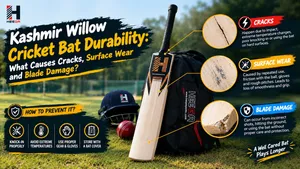 Kashmir Willow Cricket Bat Durability: What Causes Cracks, Surface Wear and Blade Damage?Discover what affects Kashmir Willow cricket bat durability, why cracks and surface damage occur, and how proper care can extend your bat's lifespan.
-300x169.webp) Cricket Bat Toe Protection: How to Prevent Damage and Extend Your Bat’s LifespanLearn how cricket bat toe protection helps prevent moisture damage, reduce wear, protect willow, and extend your bat’s lifespan with proper care.
Cricket Bat Toe Protection: How to Prevent Damage and Extend Your Bat’s LifespanLearn how cricket bat toe protection helps prevent moisture damage, reduce wear, protect willow, and extend your bat’s lifespan with proper care.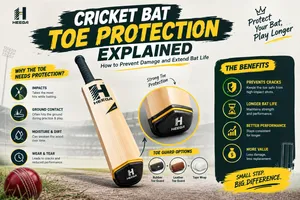 Cricket Bat Toe Protection Explained: How to Prevent Damage and Extend Bat LifeLearn how cricket bat toe protection prevents moisture, cracks and damage. Discover toe guards, maintenance tips and simple ways to extend your bat's life.