Why Cricket Matches Have Drinks Breaks, Lunch, and Tea: The Story Behind Match Intervals.

Introduction: Why Does Cricket Stop When the Game Is Still Going?
If you are new to cricket, one part of the sport can seem unusual.
The match is progressing.
The players are competing.
Then suddenly, everyone walks off the field.
There is a drinks break.
Or lunch.
Or tea.
To someone unfamiliar with cricket, these interruptions may look unnecessary.
But cricket is different from many other sports.
Some matches can last for several hours.
Long-format cricket can continue across multiple days.
Players spend extended periods standing, running, batting, bowling, fielding, and concentrating.
Breaks therefore serve practical purposes.
They allow players to recover, hydrate, eat, communicate, and prepare for the next phase of play.
At the same time, these intervals can influence tactics and momentum.
A short break may give a bowler time to reset.
A batter may use it to discuss conditions with teammates.
A captain may reconsider the field.
Coaches can review what has happened and prepare for what comes next.
So while a match interval may look like a pause, plenty can happen during those few minutes.
Why Does Cricket Need Breaks?
Cricket can place significant physical and mental demands on players.
During a long session, players may experience:
- Fatigue.
- Dehydration.
- Loss of concentration.
- Muscle tiredness.
- Heat stress.
- Mental pressure.
Breaks provide an opportunity to manage these demands.
The exact timing and duration of intervals depend on the format and the applicable playing conditions.
Drinks Breaks Have a Simple Purpose
The name explains the main reason.
Players need fluids.
Cricket matches can be played in hot, humid, or physically demanding conditions.
A short drinks interval gives players an opportunity to:
- Hydrate.
- Cool down.
- Regain focus.
- Receive brief tactical instructions.
Hydration is particularly important during long periods on the field.
Why Can't Players Simply Drink Whenever They Want?
Cricket has a structured rhythm.
Allowing unlimited interruptions could disrupt the match and create unfair advantages.
Therefore, drinks intervals are generally controlled according to the applicable playing conditions.
There may also be provisions for players to receive drinks at certain times without creating unnecessary delays.
What Happens During a Drinks Break?
A drinks break can be surprisingly busy.
Players may:
- Drink water or sports beverages.
- Wipe sweat from their faces.
- Change gloves.
- Speak with teammates.
- Receive tactical reminders.
- Prepare mentally for the next phase.
The break may last only a few minutes, but players can use it efficiently.
Captains Can Use Breaks to Reset the Game
Cricket is a game of momentum.
One team may be dominating.
Then a short break arrives.
The captain can use that moment to remind players of the plan.
For example:
- Tighten the field.
- Change bowling tactics.
- Attack a particular batter.
- Protect a specific boundary.
- Increase communication.
A break can therefore become a tactical reset.
Bowlers Can Benefit from a Short Recovery Period
Bowling repeatedly is physically demanding.
A bowler may spend several overs running in, delivering the ball, returning to their position, and repeating the process.
A break allows them to:
- Recover briefly.
- Drink fluids.
- Regain concentration.
- Discuss the batter.
- Prepare for the next spell.
This can be particularly valuable for fast bowlers.
Batters Use Breaks Differently
A batter who is already at the crease may have spent considerable time concentrating on every delivery.
During a break, they can:
- Hydrate.
- Relax briefly.
- Discuss the bowler's strategy.
- Review shot selection.
- Prepare mentally for the next phase.
The goal is to return to the crease focused rather than mentally exhausted.
Fielders Also Need Recovery
Fielders may spend long periods standing in the same position.
At other times, they may need to sprint, dive, throw, and chase the ball.
A drinks break gives them a chance to recover physically.
It can also improve concentration.
A tired fielder is more likely to make a simple mistake.
Why Long-Format Cricket Has Lunch
Long-format cricket is unusual because it can continue for most of a day.
Players cannot reasonably remain on the field without a substantial meal break.
The lunch interval provides a longer period away from play.
Players can:
- Eat.
- Hydrate.
- Rest.
- Change clothing if required.
- Discuss tactics.
- Prepare for the next session.
What Is the Tea Interval?
In traditional longer-format cricket, there is also a tea interval.
It usually takes place later in the day's play.
Historically, tea became part of cricket's culture and schedule, particularly in the longer forms of the game.
Today, the interval remains an important part of the rhythm of many longer-format matches.
Why Is It Called Tea?
The term comes from British cricket tradition.
Cricket developed strong cultural connections with British social customs, and tea became associated with the afternoon break.
The name remained even as cricket became a global sport.
Today, players may consume a range of foods and drinks rather than simply sitting down for traditional tea.
What Do Players Eat During Lunch?
Nutrition depends on the player and the team's preparation.
A suitable meal may provide:
- Carbohydrates.
- Protein.
- Fluids.
- Easily digestible foods.
Players generally need food that provides energy without making them feel unnecessarily heavy when they return to the field.
What Happens During the Tea Interval?
The tea interval can be used for both recovery and tactical preparation.
Players may:
- Eat light food.
- Hydrate.
- Rest.
- Discuss the match.
- Review the condition of the pitch.
- Prepare for the next session.
Coaches may also use the time to provide feedback.
Why Breaks Matter Mentally
Cricket requires enormous concentration.
A batter can spend a long time thinking about:
- Ball movement.
- Field placements.
- Bowling changes.
- Shot selection.
A bowler must repeatedly plan how to dismiss the batter.
A short break can provide mental relief.
It allows players to step away from the immediate pressure before returning with a clearer mind.
Breaks Can Change Match Momentum
A team may be building pressure.
The batting side may be struggling.
Then a break occurs.
The interruption can sometimes change the rhythm of the match.
Players return with a fresh mindset.
This does not automatically mean the momentum will change, but the psychological reset can be valuable.
Why Coaches Pay Attention to Break Timing
Coaches cannot directly control every moment of play.
Breaks provide natural opportunities for communication.
During these periods, coaches and support staff can discuss:
- Bowling plans.
- Batting strategy.
- Player workloads.
- Field placements.
- Match situations.
The conversation may be brief, but it can help players stay aligned with the team's plan.
Drinks Breaks Can Become Tactical Timeouts
Not officially in every format, but strategically, players may treat a short break as a moment to reassess the match.
A captain might notice:
- A batter struggling against a particular line.
- A bowler losing rhythm.
- A fielding position that needs adjustment.
- A change in wind.
- A change in pitch behaviour.
The break creates an opportunity to act on those observations.
Weather Can Influence Breaks
Cricket is played outdoors.
Conditions can change throughout the day.
Extreme heat may increase the importance of hydration.
Rain may interrupt play entirely.
Poor light can affect visibility.
Ground conditions can also change after weather events.
Officials must therefore manage breaks and interruptions according to the applicable playing conditions.
Heat Makes Hydration Especially Important
Cricket can be physically demanding in hot climates.
Players may lose significant amounts of fluid through sweating.
Regular hydration helps support physical performance and concentration.
This is particularly important for:
- Fast bowlers.
- All-rounders.
- Fielders covering large areas.
- Batters playing long innings.
Humidity Creates Another Challenge
High humidity can make players feel hotter and increase discomfort.
Sweat may also make equipment harder to handle.
Gloves can become damp.
The ball may require more attention.
Short breaks give players a chance to manage these problems.
Why Breaks Are Important for Fast Bowlers
Fast bowling places considerable stress on the body.
Repeated high-intensity runs and deliveries require energy and recovery.
During longer matches, managing workload becomes extremely important.
Breaks can contribute to recovery, although they are only one part of a broader physical management strategy.
Why Spinners Also Benefit from Breaks
Spin bowling may not involve the same running intensity as fast bowling, but it still requires:
- Concentration.
- Repetition.
- Fine control.
- Tactical awareness.
A short pause can help a spinner reset mentally and physically.
Wicketkeepers Have Unique Needs
Wicketkeepers remain involved in almost every delivery.
They crouch, stand, move, dive, catch, and communicate continuously.
Breaks allow them to:
- Stretch.
- Hydrate.
- Rest their legs.
- Adjust gloves.
- Communicate with the captain.
This can be particularly valuable during long innings.
Breaks Help Protect Player Welfare
Modern cricket takes player welfare seriously.
Breaks can help reduce the effects of:
- Heat.
- Fatigue.
- Dehydration.
- Mental exhaustion.
They are therefore not simply traditional customs.
They are also part of managing the demands of the sport.
The History Behind Cricket's Long Intervals
Cricket developed as a sport where matches could last for extended periods.
Unlike many modern sports with fixed running clocks, traditional cricket evolved around sessions of play.
Lunch and tea naturally became part of the structure.
The breaks eventually became embedded in cricket culture.
Cricket's Traditional Rhythm Is Part of Its Identity
The rhythm of long-format cricket is distinctive.
There is:
Session → Interval → Session → Interval → Session
This creates a very different experience from sports where the clock runs continuously.
Players, coaches, officials, and spectators all become accustomed to the rhythm.
Spectators Have Their Own Break Routine
Breaks are not only useful for players.
Spectators can also:
- Get food.
- Buy drinks.
- Use facilities.
- Discuss the match.
- Check other scores.
- Return to their seats.
At traditional cricket grounds, intervals can become part of the overall match-day experience.
Television Coverage Also Uses the Breaks
Broadcasters use intervals to provide:
- Analysis.
- Replays.
- Interviews.
- Statistics.
- Expert discussion.
This helps viewers understand what has happened and what may happen next.
Why T20 Cricket Has Fewer Traditional Breaks
T20 cricket is designed to be faster.
The entire match is usually completed within a much shorter period than a Test match.
As a result, there is less room for long traditional intervals.
The format generally relies on shorter, more controlled breaks.
Limited-Overs Cricket Still Needs Hydration
Even shorter formats can be physically demanding.
Players may experience intense bursts of activity.
Fast bowling, running between wickets, and fielding can all require significant energy.
Therefore, hydration remains important even when traditional lunch and tea intervals are absent.
Breaks Can Be Different for Different Formats
Cricket has multiple formats, and each one has its own rhythm.
Test Cricket
Long sessions with substantial meal and rest intervals.
One-Day Cricket
A shorter match with more limited interruptions.
T20 Cricket
A compact schedule designed around rapid play and entertainment.
The purpose of breaks remains broadly similar: recovery, organization, and match management.
Junior Cricket May Use Different Break Structures
Youth cricket can have different requirements.
Younger players may need more frequent opportunities to:
- Drink water.
- Rest.
- Eat.
- Recover.
The exact approach depends on age, competition rules, weather, and coaching structure.
Coaches Should Teach Young Players to Use Breaks Properly
Young players may see breaks as an opportunity to relax completely.
Coaches can teach them to use the time intelligently.
A good break routine might involve:
- Hydrating.
- Recovering.
- Listening to the coach.
- Checking equipment.
- Preparing mentally.
- Returning to play focused.
This turns a simple interval into part of player development.
What Happens to Cricket Equipment During Breaks?
Players often use breaks to check their equipment.
They may:
- Adjust gloves.
- Clean equipment.
- Dry sweaty gear.
- Check footwear.
- Inspect the bat.
- Organize protective equipment.
Small adjustments can improve comfort during the next session.
Why Equipment Organization Matters During Long Matches
Long matches require players to use equipment repeatedly.
A well-organized cricket kit bag makes it easier to find:
- Spare gloves.
- Towels.
- Clothing.
- Accessories.
- Protective equipment.
Preparation becomes increasingly important as the match continues.
Nepal: Cricket Breaks Support Player Development
As cricket continues growing in Nepal, young players are learning the importance of hydration, nutrition, and recovery during training and competition.
Structured breaks can help developing cricketers build professional habits.
Germany: Managing Cricket in Different Conditions
German cricket can involve changing weather conditions.
Players need to understand how hydration, clothing, recovery, and breaks contribute to performance.
United States: Modern Cricket Needs Modern Recovery Habits
As cricket grows in the USA, players are increasingly exposed to structured competitions and professional training methods.
Learning how to use breaks effectively can support better performance.
Canada: Weather Makes Preparation Important
Canadian players may encounter significant differences between seasonal conditions.
Appropriate hydration, clothing, nutrition, and recovery become especially important during longer cricket sessions.
The Netherlands: Discipline During Every Session
Dutch cricket's structured approach to player development makes recovery and preparation an important part of training and competition.
United Kingdom: The Home of Cricket's Traditional Break Culture
The UK's cricket culture has a particularly strong connection with traditional lunch and tea intervals.
These breaks remain part of the identity of longer-format cricket.
How Heega Sports Supports Players Beyond the Boundary
At Heega Sports, we understand that good cricket performance depends on more than what happens during a delivery.
Players need reliable equipment for every part of their cricket journey.
Our range includes:
- Kashmir Willow cricket bats.
- Leather cricket balls.
- Practice cricket balls.
- Batting gloves.
- Batting pads.
- Cricket helmets.
- Cricket shoes.
- Cricket kit bags.
- Practice nets.
- Training accessories.
Quality equipment helps players remain comfortable and prepared throughout long training sessions and matches.
Final Thoughts
Drinks breaks, lunch intervals, and tea may seem like unusual features of cricket.
But they exist for good reasons.
Players need hydration.
Bodies need recovery.
Minds need a chance to reset.
Coaches need opportunities to communicate.
Teams need time to reassess their plans.
Spectators need a moment to refresh.
And long-format cricket needs a structure that allows players to perform over many hours.
From traditional cricket grounds in the United Kingdom to developing cricket environments across Nepal, Germany, the United States, Canada, and the Netherlands, the rhythm of cricket continues to evolve.
Yet one principle remains unchanged:
A good break is not a break from preparation. It is part of preparation.
The next time players walk off the field for lunch, tea, or drinks, remember that the match may have paused—but the thinking, planning, recovery, and preparation have not.
🏏 Prepare Better for Every Cricket Session with Heega Sports
Explore Kashmir Willow cricket bats, leather cricket balls, practice balls, batting gloves, batting pads, cricket helmets, cricket shoes, cricket kit bags, practice nets, and training accessories designed to support players throughout their cricket journey.
Shop Now
Heega Sports – Helping Players Prepare Better, Recover Better, and Play Better.
Related posts
 Cricket Development in Canada, USA, Nepal, Sri Lanka and UKExplore cricket development in Canada, USA, Nepal, Sri Lanka and UK, including grassroots growth, youth pathways, professional leagues and future opportunities.
 Kashmir Willow Cricket Bats for Power Hitting: How Blade Shape, Sweet Spot and Edge Thickness Work TogetherLearn how Kashmir willow cricket bat blade shape, sweet spot position, and edge thickness work together to support powerful shots, control, and balance.
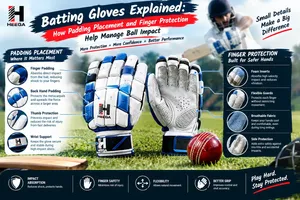 Batting Gloves Explained: How Padding Placement and Finger Protection Help Manage Ball ImpactLearn how batting glove padding placement, finger protection, and fit help manage ball impact. Find practical tips for choosing cricket batting gloves.