Why Cricket Players Change Their Bats During a Career: From First Bat to Professional Gear.

Introduction: A Cricket Bat Is More Than Just Equipment
For a young player, a cricket bat is often simply the tool used to hit the ball.
But as a cricketer develops, the relationship with the bat can become much more personal.
A beginner may choose a bat because it looks attractive.
A junior player may need a lighter bat that is easy to control.
A developing cricketer may start paying attention to balance, pickup, edges, and profile.
A serious competitive player may become extremely particular about every detail.
This is why many cricketers use different bats at different stages of their careers.
The change is not always about buying a more expensive product.
It is usually about finding equipment that matches the player's current needs.
As a player's body becomes stronger, technique develops, and playing style becomes more defined, their ideal bat can change too.
Why Doesn't One Bat Last a Player's Entire Career?
In theory, a player could continue using the same bat for years.
In practice, several factors make that unlikely.
A cricketer's:
- Height can change.
- Strength can increase.
- Technique can develop.
- Playing style can evolve.
- Competitive level can rise.
- Bat preferences can change.
The equipment that feels perfect at one stage may no longer be ideal later.
A Child's First Bat Is Usually About Control
When children begin playing cricket, control is more important than maximum power.
A young player may benefit from a bat that is:
- Appropriately sized.
- Comfortable to lift.
- Easy to swing.
- Properly balanced.
- Suitable for their strength.
The goal is to help the child learn good batting movements.
Why an Oversized Bat Can Be a Problem
Some parents believe buying a larger bat will save money because the child can "grow into it."
However, a bat that is too large or heavy can make learning more difficult.
A young player may struggle with:
- Backlift.
- Timing.
- Footwork.
- Shot control.
- Bat speed.
The right equipment should match the player now, not only their future height.
Junior Bat Sizes Change as Players Grow
Youth cricket bats are available in different sizes.
Common options include:
- Size 3.
- Size 4.
- Size 5.
- Size 6.
- Harrow.
- Short Handle.
The appropriate size depends primarily on the player's height and physical development.
Age can provide a general reference, but height and comfort are often more useful when selecting equipment.
Strength Changes Bat Selection
As players grow stronger, they may be able to handle heavier bats.
A heavier bat can potentially provide greater mass behind a shot.
But heavier does not automatically mean better.
A player still needs to control the bat efficiently.
Bat Speed Matters
A bat must move quickly enough for the player to time the ball effectively.
If a bat is too heavy, the player may lose:
- Bat speed.
- Control.
- Timing.
- Manoeuvrability.
This is why weight selection is personal.
The Importance of Pickup
Two bats can have exactly the same listed weight but feel completely different.
This is because of balance and weight distribution.
A bat with a comfortable pickup may feel lighter in the hands than another bat with the same actual weight.
Experienced players often pay close attention to this.
Balance Can Change the Way a Bat Feels
A bat's weight distribution can influence its character.
Some bats feel more balanced toward the handle.
Others have more mass toward the blade.
This can affect how the player experiences:
- Pickup.
- Backlift.
- Swing speed.
- Shot control.
Players Eventually Discover Their Preferred Profile
As a cricketer gains experience, they may develop preferences regarding the shape of the bat.
They may prefer:
- Thick edges.
- A pronounced spine.
- A lower sweet spot.
- A mid-blade sweet spot.
- A higher sweet spot.
- A particular toe shape.
These preferences often develop through years of playing.
The Sweet Spot Matters
The sweet spot is the area of the bat where contact can feel particularly clean and effective.
Its position can influence how a bat feels during different shots.
A player who regularly plays on certain pitches may prefer a bat designed around a particular sweet-spot position.
Playing Conditions Can Influence Bat Choice
The ideal bat is not necessarily the same everywhere.
Players may encounter:
- Fast pitches.
- Slow pitches.
- Low bounce.
- High bounce.
- Artificial surfaces.
- Grass wickets.
A player may adjust equipment preferences according to the conditions they regularly face.
Different Playing Styles Require Different Preferences
A batter who relies heavily on timing may look for different characteristics from a batter who focuses on power hitting.
For example, a player who prefers:
- Front-foot drives.
- Quick singles.
- Horizontal-bat shots.
- Aggressive lofted strokes.
may develop different bat preferences.
There is no single bat design that is perfect for every style.
Technique Can Change Bat Requirements
A young player's technique is often still developing.
As coaching improves their:
- Stance.
- Backlift.
- Footwork.
- Head position.
- Shot selection.
their equipment preferences may change.
A bat that once felt comfortable may eventually feel different.
Coaching Can Influence Equipment Decisions
Coaches may notice that a player is struggling with an unnecessarily heavy or poorly balanced bat.
They can help the player identify whether the equipment is affecting technique.
However, equipment should complement coaching rather than replace it.
The Transition to Adult Bats
At some point, young players move into adult bat sizes.
This is an important stage.
The player may suddenly have access to:
- Larger blades.
- Different profiles.
- Heavier weights.
- More specialized designs.
The transition should be gradual and based on physical readiness.
Kashmir Willow Is Popular for Developing Players
Kashmir Willow bats are widely used by junior players, club cricketers, academies, and developing players.
They can offer:
- Durability.
- Good value.
- Practical performance.
- Suitable options for training and competition.
For many developing players, Kashmir Willow provides a sensible starting point.
English Willow Becomes More Common at Higher Levels
As players progress into serious competitive cricket, some may choose English Willow bats.
English Willow is valued for its performance characteristics and is widely associated with higher-level cricket equipment.
However, choosing English Willow does not automatically make someone a better batter.
Technique and decision-making remain far more important.
Expensive Equipment Does Not Guarantee Better Performance
A common misconception is that the most expensive bat must be the best bat.
That is not necessarily true.
A bat should be judged according to:
- Fit.
- Weight.
- Balance.
- Comfort.
- Playing style.
- Skill level.
- Budget.
The best bat is the one that works for the player.
Why Professional Players Can Be Extremely Specific
At professional level, small details can become important.
A player may have a preferred:
- Weight.
- Handle shape.
- Grip.
- Profile.
- Sweet spot.
- Pickup.
- Toe design.
After years of experience, players know what feels natural in their hands.
Professional Bats Are Often Customized
High-level players may work with manufacturers to create bats that suit their individual preferences.
Customization can involve changes to:
- Profile.
- Handle.
- Weight.
- Balance.
- Edges.
- Spine.
- Grip.
The final product can be highly personalized.
A Player's Bat May Change Even Within One Season
A cricketer does not necessarily use one bat for an entire season.
They may have multiple bats available.
Reasons can include:
- Different match conditions.
- Practice requirements.
- Backup equipment.
- Wear and tear.
- Personal preference.
Professional players often prepare for equipment failure by carrying alternatives.
Why Players Keep Backup Bats
Imagine a batter in an important match.
Their primary bat develops a problem.
Having a second prepared bat can prevent unnecessary disruption.
Backup equipment therefore provides practical security.
Bats Also Wear Down
A cricket bat experiences repeated impact.
Over time, it can develop:
- Surface marks.
- Toe wear.
- Grip deterioration.
- Edge damage.
- Handle problems.
Proper maintenance can extend its useful life, but no bat lasts forever.
Match Use and Practice Use Can Be Different
Some players may prefer to preserve their best bat for important matches.
A different bat can be used for:
- Nets.
- Throwdowns.
- Training sessions.
- Practice matches.
This can reduce unnecessary wear on premium match equipment.
Bat Maintenance Matters
Players should take care of their bats.
Basic maintenance can include:
- Keeping the bat dry.
- Protecting the toe.
- Checking the grip.
- Using suitable protection.
- Storing the bat correctly.
- Avoiding unnecessary exposure to moisture.
Good care can help maintain performance and durability.
The Grip Can Change a Player's Bat Preference
The grip is a small part of the bat, but it has a major effect on comfort.
Players may prefer different:
- Grip textures.
- Thicknesses.
- Shapes.
- Layering methods.
A comfortable grip can help a player maintain control.
Handle Design Matters Too
The handle connects the player's hands to the blade.
Different handle constructions can provide different feels.
Players may become more sensitive to handle characteristics as they gain experience.
Why Bat Preferences Can Become Personal
Ask several experienced cricketers to choose a bat and they may select completely different designs.
One may prefer a lighter bat.
Another may prefer a heavier model.
One may want thick edges.
Another may prioritize pickup.
This demonstrates an important point:
Bat selection is highly individual.
The Role of Confidence
Equipment can also influence confidence.
When a player feels comfortable with their bat, they may approach the crease with greater certainty.
Confidence does not come from equipment alone.
But familiar equipment can become part of a player's psychological preparation.
Players Do Not Always Change Bats Because Their Old Bat Is Bad
A player may replace a bat simply because their requirements have changed.
For example:
A junior player grows stronger.
Their technique becomes more aggressive.
They start playing longer formats.
They move to higher-level competition.
Their preferred bat may naturally change.
Moving Between Formats Can Influence Bat Choice
Cricket formats create different demands.
T20 cricket often rewards:
- Fast scoring.
- Powerful hitting.
- Quick bat movement.
Longer formats can place greater emphasis on:
- Control.
- Patience.
- Defensive technique.
- Extended concentration.
Players may therefore develop different equipment preferences across formats.
Young Players Should Not Rush the Upgrade
A child does not need professional-level equipment immediately.
The priority should be:
- Correct size.
- Comfortable weight.
- Good technique.
- Regular practice.
- Gradual progression.
Equipment upgrades should follow development.
Parents Should Watch for Signs of Growth
Parents can reassess bat selection when a child:
- Finds the current bat too short.
- Has noticeably increased strength.
- Struggles because the bat feels too light.
- Moves into higher-level cricket.
- Receives new recommendations from a coach.
Regular reassessment helps maintain a good fit.
Nepal: Growing Players Are Developing Their Own Equipment Preferences
As cricket continues expanding in Nepal, young players are moving through different stages of development.
As their skills and strength improve, their bat requirements can evolve as well.
Germany: Cricket Development Creates New Equipment Needs
Growing cricket participation in Germany means more players are moving from beginner cricket into structured club and competitive environments.
That progression can naturally lead to changes in equipment.
United States: More Players Are Moving Through Development Pathways
As cricket continues growing in the United States, young players are entering academies, clubs, schools, and competitive leagues.
As they progress, their equipment requirements can become more specialized.
Canada: Player Development Often Requires Equipment Progression
Canadian players can develop across seasonal training environments.
Moving from junior cricket into more advanced competition can involve gradual changes in bat size, weight, and construction.
The Netherlands: Experience Shapes Equipment Choices
Players in the Netherlands can progress through structured cricket systems where technical development and competition gradually influence equipment preferences.
United Kingdom: A Long Tradition of Bat Development
The United Kingdom has a deep culture of junior, club, academy, and professional cricket.
Players commonly progress through different bat sizes and specifications as their physical development and competitive level change.
How Heega Sports Supports Players at Every Stage
At Heega Sports, we understand that a player's equipment needs can change throughout their cricket journey.
Our cricket range includes:
- Junior cricket bats.
- Size 3, 4, 5, and 6 bats.
- Harrow bats.
- Short Handle bats.
- Long Handle bats.
- Kashmir Willow bats.
- Leather cricket balls.
- Practice cricket balls.
- Batting gloves.
- Batting pads.
- Cricket helmets.
- Cricket shoes.
- Cricket kit bags.
- Practice nets.
- Training accessories.
Whether a player is picking up a bat for the first time or looking for equipment suited to competitive cricket, choosing the right specification can make training more comfortable and effective.
How to Know When It Is Time for a New Bat
A new bat may be worth considering when:
- The current size no longer feels appropriate.
- The bat has significant damage.
- The player has physically developed.
- The player's technique has changed.
- Their playing style has become more defined.
- The bat no longer feels comfortable.
- Their competitive level has increased.
A replacement should have a clear purpose.
The Evolution of a Cricketer's Bat
A player's bat journey often follows their development.
It may look something like this:
First Bat → Junior Bat → Larger Junior Bat → Harrow → Adult Bat → Specialized Bat
The exact path differs from player to player.
But the principle remains consistent.
As the player changes, the equipment can change with them.
Final Thoughts
Cricket players change bats throughout their careers for many reasons.
Young players grow.
Strength increases.
Technique improves.
Playing styles become more defined.
Competitive levels rise.
Playing conditions change.
And personal preferences become clearer.
A beginner may simply need a comfortable, correctly sized bat.
An experienced player may care about pickup, balance, profile, sweet spot, handle design, and weight distribution.
The important thing is not to chase the most expensive bat.
It is to find equipment that matches the player's current stage of development.
From Nepal, Germany, the United States, Canada, and the Netherlands to the established cricket system of the United Kingdom, every player's equipment journey can look different.
The perfect bat at one stage of a career may not be the perfect bat five years later.
That is not a problem.
It is part of becoming a better cricketer.
As the player grows, learns, adapts, and improves, their bat can evolve with them.
🏏 Find the Right Cricket Bat for Every Stage with Heega Sports
Explore junior cricket bats in Size 3, 4, 5, 6, Harrow, Short Handle, and Long Handle, along with Kashmir Willow bats, leather balls, practice balls, batting gloves, pads, helmets, cricket shoes, kit bags, practice nets, and training accessories.
Shop Now
Heega Sports – Supporting Every Stage of a Player's Cricket Journey.
Related posts
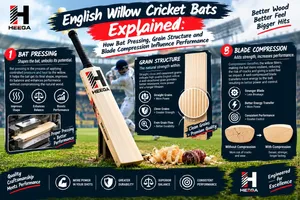 English Willow Cricket Bats Explained: How Bat Pressing, Grain Structure and Blade Compression Influence PerformanceLearn how English willow bat pressing, grain structure, and blade compression influence performance, durability, shot response, and bat selection.
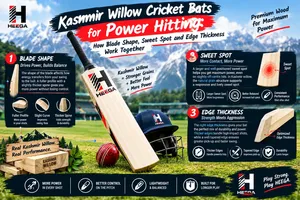 Kashmir Willow Cricket Bats for Power Hitting: How Blade Shape, Sweet Spot and Edge Thickness Work TogetherLearn how Kashmir willow cricket bat blade shape, sweet spot position, and edge thickness work together to support powerful shots, control, and balance.
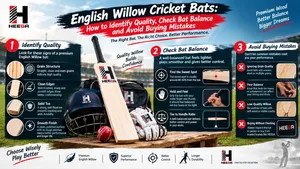 English Willow Cricket Bats: How to Identify Quality, Check Bat Balance and Avoid Buying MistakesLearn how to identify a quality English willow cricket bat, check its balance and pickup, understand grain patterns, and avoid common buying mistakes.