Why Cricket Players Tap Their Bats: The Rituals Behind Every Batter’s Routine

Introduction: The Small Movements That Fans Often Ignore
Watch a batter carefully before the bowler begins a delivery.
They may walk across the crease.
Tap the bat.
Look toward the field.
Adjust their gloves.
Take a breath.
Move their feet.
Tap the bat again.
Then suddenly become completely still.
To a casual viewer, these movements may look unnecessary.
But for many cricket players, these small actions are part of a carefully developed routine.
Bat tapping is one of the most recognizable examples.
It can help a batter establish their position, settle their mind, maintain rhythm, and prepare to face the next delivery.
There is no single universal meaning behind the movement.
Different players develop different routines.
Some tap their bats once.
Others tap repeatedly.
Some use a particular sequence before almost every delivery.
These habits can become an important part of a batter's preparation and concentration.
What Does Bat Tapping Actually Mean?
Bat tapping usually refers to a batter lightly placing or tapping the bat on the ground before the delivery.
The action can serve several practical and psychological purposes.
It may help a player:
- Establish their stance.
- Check their position relative to the crease.
- Create a consistent routine.
- Maintain concentration.
- Prepare mentally for the next ball.
The movement itself does not improve batting technique automatically.
Its value comes from how the individual player uses it.
Bat Tapping Is Not a Cricket Law Requirement
A batter is not required to tap the bat before facing a delivery.
It is a personal habit.
Some batters use it regularly.
Others barely move their bats before the ball is delivered.
This is an important distinction.
Bat tapping is part of a player's routine rather than a formal requirement of the game.
Why Do Batters Take Guard?
Before facing the bowler, a batter may ask the umpire for their guard.
The batter can use this process to establish where they want to stand in relation to the stumps.
The exact method can vary.
A batter may request:
- Leg stump.
- Middle stump.
- Middle and leg.
This helps them establish a reference point.
Why Is the Crease So Important?
The crease gives the batter a clear reference for their position.
It matters when:
- Setting their stance.
- Playing forward.
- Moving backward.
- Running between wickets.
- Avoiding being run out or stumped.
A batter needs to understand where their body and bat are positioned in relation to the crease.
Bat Tapping Can Help Establish Position
When a batter places the bat behind the crease, they may be reinforcing their starting position.
The movement can become a physical reference.
Over time, repeating the same action can make the setup feel automatic.
The Mental Side of Batting Routines
Batting is an unusual skill.
A player can wait for long periods and then have only a fraction of a second to respond to the delivery.
This creates enormous mental demands.
A routine can help a batter transition from:
Waiting → Preparing → Watching → Reacting
That transition can be valuable.
Routines Create Familiarity
Imagine facing a fast bowler with thousands of spectators watching.
The environment can be distracting.
A familiar routine gives the batter something predictable to focus on.
The player knows:
- Where to stand.
- How to hold the bat.
- When to look up.
- When to settle.
- When to focus on the bowler.
The routine creates structure.
Why Professional Players Repeat the Same Actions
Consistency can be comforting.
If a batter follows the same sequence before every delivery, they may feel more prepared.
The routine can become a mental trigger.
It tells the player:
The next ball is coming. Be ready.
Bat Tapping Can Become a Concentration Cue
Some players use their routine to bring their attention back to the present.
A batter may have just played a poor shot.
Instead of thinking about the previous delivery, they can return to their routine.
Tap the bat.
Adjust the stance.
Look at the bowler.
Prepare again.
The previous ball is over.
The next one matters.
This Is Especially Important After a Mistake
Cricket can punish a player's concentration.
One poor shot can end an innings.
A batter who keeps thinking about a previous mistake may lose focus on the next delivery.
A consistent routine can help create a mental reset.
What Happens Before the Bat Tap?
The batter may first observe the field.
They can check:
- Fielders close to the bat.
- Boundary positions.
- Gaps in the field.
- Bowler's location.
- Non-striker's position.
Then they return their attention to the bowler.
Field Awareness Is Part of the Routine
A good batting routine is not just about physical movements.
Batters constantly gather information.
They may notice whether a fielder has moved.
A captain might change the field.
A bowler might alter their angle.
The batter needs to remain aware.
Practice Swings Are Another Common Habit
Some batters make small practice movements before a delivery.
These can include:
- Backlift movements.
- Small bat lifts.
- Shoulder adjustments.
- Foot movements.
- Controlled swings.
These actions can help the player feel ready.
Trigger Movements Prepare the Body
A trigger movement is a small movement that helps a batter transition into their batting position as the bowler approaches.
Different batters use different triggers.
Some may:
- Lift the bat.
- Move their front foot.
- Shift their weight.
- Rock slightly.
- Press into their stance.
The objective is to create a repeatable movement pattern.
Why Timing Matters
A batter has limited time to react to the ball.
Their body needs to move at the right moment.
A trigger movement can help establish rhythm.
However, it must be controlled.
An overly complicated routine can become a distraction rather than an advantage.
Gloves Are Constantly Adjusted
Another common batting ritual is adjusting the gloves.
A player may tighten a strap or reposition their hands before facing the next ball.
This can have a practical purpose.
It can also become part of the player's routine.
Why Players Look Around the Field
You may notice batters looking toward different areas before the ball is bowled.
They may be checking the field arrangement.
This helps them understand where scoring opportunities might exist.
The batter is not simply waiting.
They are preparing for a tactical contest.
Batting Is a Battle of Information
Before each delivery, both sides are trying to predict what might happen.
The bowler may be thinking:
Where can I get this batter out?
The batter may be thinking:
Where can I score from this delivery?
The field is part of this conversation.
Why Batters Sometimes Step Away
A batter may step away from the crease before the delivery.
This can happen for several reasons.
They may:
- Need to reset.
- Notice movement behind the bowler.
- Lose concentration.
- Adjust equipment.
- Take extra time before facing the next ball.
A batter is allowed to prepare within the applicable playing conditions and umpiring framework.
Resetting Can Be Important
Sometimes a batter simply needs a moment.
If they feel rushed, stepping away can help them regain focus.
The objective is to return to a comfortable mental state before the next delivery.
Different Batters Have Different Routines
There is no perfect batting routine.
One player may tap the bat twice.
Another may tap once.
Someone else may keep the bat completely still.
A routine should suit the individual.
Why Copying a Professional's Routine May Not Work
Young players often copy their favourite cricketers.
That can be useful for inspiration.
But copying a professional's exact routine does not guarantee better performance.
A routine should match:
- Body movement.
- Batting technique.
- Comfort.
- Personality.
- Playing style.
Young players should learn the purpose behind a routine rather than simply copying the appearance.
The Role of Coaches
Coaches can help players develop useful pre-delivery habits.
They can identify whether a player's routine is:
- Consistent.
- Efficient.
- Distracting.
- Too complicated.
- Helpful under pressure.
The best routines are usually simple enough to repeat naturally.
Routines Should Not Become Superstitions
There is an important difference between a routine and a superstition.
A routine helps a player prepare.
A superstition can become something the player feels they must perform in a particular way.
For example, a player might become uncomfortable if a certain sequence is interrupted.
Healthy routines should support concentration rather than create additional anxiety.
Bat Tapping and Muscle Memory
Repeated movements can eventually become automatic.
This is sometimes described as muscle memory.
The player does not need to consciously think through every step.
Their setup becomes familiar.
This can free mental attention for more important tasks.
Why Simple Routines Are Often Better
A batter does not need ten movements before every delivery.
A simple routine might be:
Check field → Set stance → Tap bat → Watch bowler
The fewer unnecessary steps, the easier the routine may be to maintain under pressure.
Routines Can Change During a Career
A player's technique can evolve.
Their batting stance may change.
Their backlift may change.
Their equipment may change.
Their pre-delivery routine can also change.
A routine that worked at age 18 may not feel comfortable at age 30.
Experienced players often refine their habits over time.
T20 Cricket Can Influence Batting Routines
T20 cricket creates a fast environment.
Batters may have limited time to settle.
They must make quick decisions.
This can encourage more efficient routines.
A player cannot spend too much time preparing when the game is moving rapidly.
Test Cricket Allows Longer Mental Preparation
Test cricket creates a different environment.
A batter can potentially spend much longer at the crease.
They may face hundreds of deliveries during a long innings.
Mental endurance becomes extremely important.
A reliable routine can help maintain concentration across an extended period.
One-Day Cricket Sits Between the Two
ODI cricket requires a mixture of patience and urgency.
A batter may need to:
- Build an innings.
- Rotate strike.
- Attack at certain stages.
- Manage risk.
A routine can help the batter adjust while maintaining concentration.
The Routine Can Help After a Long Break
Batters may experience interruptions caused by:
- Rain.
- Drinks breaks.
- Wickets.
- Reviews.
- Equipment issues.
Returning to the crease after an interruption can require a mental reset.
Repeating a familiar routine can help.
What Young Players Can Learn
Young cricketers can create simple routines of their own.
For example:
- Check the field.
- Take a comfortable stance.
- Set the bat.
- Take a breath.
- Watch the bowler.
The objective is not to imitate professionals.
The objective is to create consistency.
Practice the Routine Away from Matches
A routine should not first appear during an important match.
Players can practice it during:
- Net sessions.
- Academy training.
- Club matches.
- Throwdown drills.
- Home practice.
With repetition, the process becomes natural.
Equipment Can Affect a Player's Routine
Comfortable equipment can make preparation easier.
A batter may struggle to maintain concentration if:
- Gloves do not fit properly.
- The bat feels uncomfortable.
- Pads restrict movement.
- The helmet does not fit correctly.
Equipment should support the player's routine rather than interfere with it.
How Heega Sports Supports Batters
At Heega Sports, we understand that batting preparation is about more than simply owning a cricket bat.
Players need equipment that feels comfortable and dependable.
Our cricket range includes:
- Kashmir Willow cricket bats.
- Leather cricket balls.
- Practice cricket balls.
- Batting gloves.
- Batting pads.
- Cricket helmets.
- Cricket shoes.
- Cricket kit bags.
- Practice nets.
- Training accessories.
Whether you are developing your first batting routine or preparing for competitive cricket, suitable equipment can help you train with confidence.
Nepal: Young Players Are Building Their Own Batting Routines
As cricket continues to grow in Nepal, young players are learning that preparation is an important part of batting.
Academy training can help players develop repeatable habits before they enter competitive cricket.
Germany: Structured Training Helps Build Consistency
Growing cricket programs in Germany give players opportunities to practice batting routines regularly.
Consistent training can make preparation feel more natural during matches.
United States: New Players Are Learning the Details of Batting
As cricket expands in the United States, new players are discovering that batting involves much more than hitting the ball.
Pre-delivery routines can help beginners understand the importance of preparation and concentration.
Canada: Routines Help Players Handle Different Conditions
Canadian players may experience different playing environments throughout the year.
A reliable batting routine can provide a sense of consistency regardless of the surroundings.
The Netherlands: Technique and Preparation Work Together
Dutch cricket has a strong emphasis on structured development.
Batting routines can become part of a broader approach to technical and mental preparation.
United Kingdom: Tradition Meets Modern Batting Practice
The UK's long cricket history includes countless batting styles and routines.
Modern coaching continues to combine traditional technical principles with sports science and performance psychology.
The Real Purpose of Bat Tapping
Ultimately, the bat tap is not magic.
It does not make a batter technically better by itself.
Its value comes from what it represents.
For many players, it is a small signal that says:
Reset. Focus. Watch the ball.
That mental transition can be extremely valuable.
Final Thoughts
Cricket is filled with small movements that spectators often overlook.
Bat tapping is one of them.
A batter may tap the ground, adjust their gloves, check the field, move their feet, and settle into position before every delivery.
These actions may look simple, but they can form an important preparation routine.
The exact routine differs from player to player.
Some prefer movement.
Others prefer stillness.
Some use music before an innings.
Others prefer silence.
The important thing is not copying someone else's ritual.
It is discovering a routine that helps the player become comfortable, focused, and ready for the next delivery.
From Nepal, Germany, the United States, Canada, and the Netherlands to the established cricket culture of the United Kingdom, young players can learn an important lesson from these habits:
Preparation is part of performance.
The next time you watch a batter tap their bat before facing a bowler, look a little closer.
That small movement may be the player's way of leaving the previous ball behind and preparing for the next one.
🏏 Prepare Every Shot with Heega Sports
Explore Kashmir Willow cricket bats, leather cricket balls, practice balls, batting gloves, batting pads, cricket helmets, cricket shoes, cricket kit bags, practice nets, and training accessories designed to help players train comfortably and build better batting habits.
Shop Now
Heega Sports – Helping Players Build Better Habits, Better Preparation, and Better Cricket.
Related posts
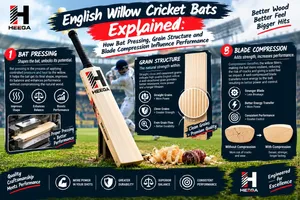 English Willow Cricket Bats Explained: How Bat Pressing, Grain Structure and Blade Compression Influence PerformanceLearn how English willow bat pressing, grain structure, and blade compression influence performance, durability, shot response, and bat selection.
 Kashmir Willow Cricket Bats for Power Hitting: How Blade Shape, Sweet Spot and Edge Thickness Work TogetherLearn how Kashmir willow cricket bat blade shape, sweet spot position, and edge thickness work together to support powerful shots, control, and balance.
 English Willow Cricket Bats: How to Identify Quality, Check Bat Balance and Avoid Buying MistakesLearn how to identify a quality English willow cricket bat, check its balance and pickup, understand grain patterns, and avoid common buying mistakes.