Why Fit and Flexibility Matter in Wicket Keeping Gloves
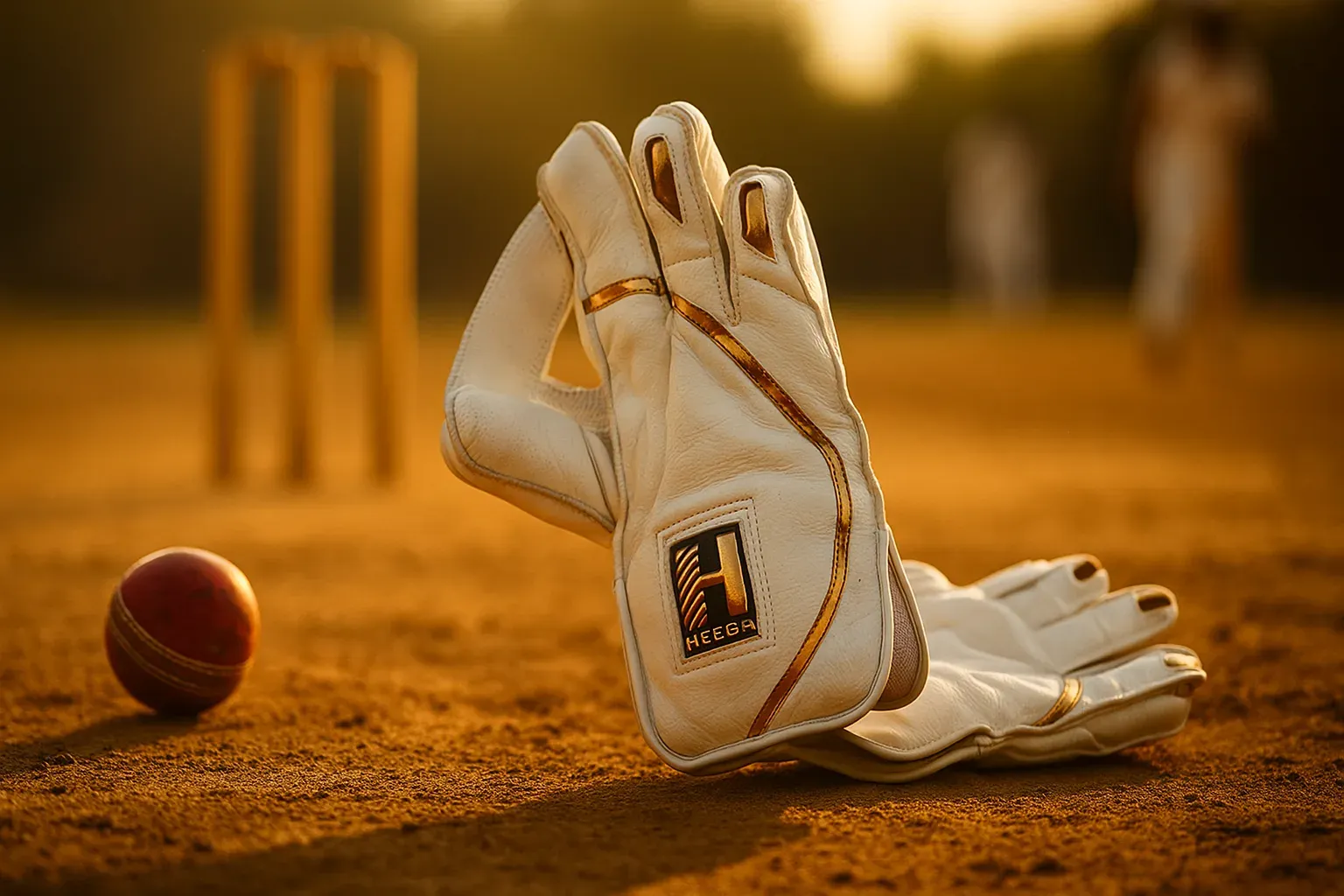
Wicket keeping is one of the most demanding roles in cricket. Behind the stumps, you need speed, precision, and agility to catch, stump, and stop balls at high velocity. While reflexes and footwork are vital, another critical factor often overlooked is your gloves.
A wicket keeper’s gloves are more than just protective gear—they are an extension of your hands. Fit and flexibility determine how well you can react, control the ball, and prevent injuries. Wearing ill-fitting or rigid gloves can reduce performance and increase the risk of accidents.
In this blog, we’ll dive deep into why fit and flexibility matter in wicket keeping gloves, what to look for when buying them, and tips to maximize your comfort and performance behind the stumps.
The Importance of Wicket Keeping Gloves
Wicket keeping gloves serve multiple purposes:
- Protection: Prevent fingers and palms from injuries caused by high-speed balls.
- Grip: Ensure the ball is securely held without slipping.
- Control: Enhance your ability to catch, deflect, or stump effectively.
- Comfort: Reduce fatigue during long matches.
However, these benefits are only fully realized when the gloves fit properly and offer adequate flexibility.
Why Fit Matters
1. Enhanced Grip and Control
- Gloves that are too loose make it harder to control the ball, increasing the chances of drops.
- Too tight gloves restrict movement and reduce natural hand closure.
- Properly fitted gloves allow your fingers to move naturally while maintaining firm control of the ball.
2. Comfort During Long Sessions
- Matches and practice sessions can last hours.
- Gloves that don’t fit well can cause blisters, soreness, or fatigue.
- Comfortable gloves let you focus entirely on the game, not on hand pain.
3. Injury Prevention
- Ill-fitting gloves increase the risk of finger injuries, especially from fast deliveries.
- A snug fit with proper padding keeps your hands protected without compromising movement.
Why Flexibility Matters
1. Faster Reaction Time
- Flexible gloves allow fingers to move independently and naturally.
- You can close your hands quickly around fast deliveries, making stumpings and catches easier.
2. Better Ball Handling
- Stiff gloves reduce tactile feedback, making it harder to feel the ball in your palms.
- Flexible gloves improve sensitivity and allow smoother ball control, even for deflections.
3. Versatility in Different Positions
- Behind the stumps, keepers often adjust hand positions based on bowling type and ball trajectory.
- Gloves with good flexibility allow these adjustments seamlessly without compromising safety.
Key Features to Look for in Wicket Keeping Gloves
1. Proper Sizing
- Measure your hand from wrist to fingertip and across the palm.
- Check size charts provided by brands to ensure accurate fit.
- Avoid buying gloves that feel “just okay”—fit is crucial for performance.
2. Finger Protection
- Look for gloves with reinforced fingers or finger stalls.
- Some gloves offer removable or adjustable spines for added safety.
3. Palm Material
- High-quality leather or synthetic palms provide better grip and flexibility.
- Ensure the palm material is soft yet durable, allowing quick hand closure.
4. Backhand Design
- Flexible backhand panels enhance movement and comfort.
- Ventilated designs reduce sweating and maintain flexibility during long sessions.
5. Adjustable Wrist Straps
- Straps help secure the gloves snugly while allowing movement.
- Avoid gloves with fixed tight straps—they can restrict motion.
Tips for Testing Fit and Flexibility
- Try Catching a Ball
- Practice catching soft or tennis balls while wearing the gloves.
- Notice if fingers can close fully and if grip feels natural.
- Check Finger Spread
- Your fingers should not feel compressed or overly loose.
- There should be no gaps between fingers and the glove fingers.
- Flexibility Test
- Open and close your hands repeatedly.
- Ensure the glove moves with your fingers without stiffness.
- Comfort Check
- Wear the gloves for at least 15–20 minutes during practice.
- Check for pressure points, discomfort, or restricted motion.
Common Mistakes Keepers Make
- Buying Based on Size Only
- Some players pick gloves that “fit the size chart” but don’t feel right on their hands.
- Always test in person if possible.
- Ignoring Finger Protection
- Choosing only flexible gloves without reinforced protection increases injury risk.
- Choosing Stiff Gloves for Beginners
- Beginners may feel safer with stiff gloves, but these restrict natural movement and learning.
- Neglecting Palm Material
- Poor-quality palm reduces grip and causes slippage during matches.
Caring for Your Wicket Keeping Gloves
- Regular Cleaning
- Wipe the gloves with a damp cloth after practice.
- Avoid soaking in water; let them air dry naturally.
- Proper Storage
- Store in a dry, ventilated place.
- Avoid leaving them in hot car trunks or humid environments.
- Occasional Conditioning
- Leather gloves benefit from light conditioning to maintain softness and flexibility.
- Inspect for Damage
- Check for worn-out palms, broken stitching, or bent finger spines.
- Repair or replace gloves before they compromise safety.
Conclusion
Fit and flexibility in wicket keeping gloves are not just comfort factors—they directly affect your reflexes, grip, and safety. Choosing gloves that move naturally with your hands allows you to react faster, handle the ball securely, and stay protected from injuries.
When shopping for wicket keeping gloves, prioritize:
- Snug and accurate fit
- High flexibility for quick movements
- Proper finger protection and quality palm material
At Heega Sports, we offer a wide range of wicket keeping gloves designed for all levels—junior, club, and professional. Our gloves provide the perfect balance of fit, flexibility, and protection, helping you perform your best behind the stumps.
Related posts
 Wicketkeeping Gloves Explained: How Size, Palm Design & Flexibility Affect KeepingLearn how wicketkeeping glove size, palm design, flexibility, grip, and fit affect keeping performance, comfort, catching control, and confidence.
 Wicket Keeping Leg Guards Explained: Fit, Flexibility and Protection for Faster Movement Behind the StumpsDiscover how to choose wicketkeeping leg guards with the right fit, flexibility, and protection for quicker movement, comfortable crouching, and confident keeping.
 Batting Gloves vs Wicketkeeping Gloves: Understanding the Key Differences in CricketLearn the key differences between batting gloves and wicketkeeping gloves, including protection, grip, flexibility, design, fit, and their role in cricket.