Why Some Cricket Players Perform Better Under Pressure Than Others.

Introduction: Pressure Is Part of Cricket
Cricket can look simple from the outside.
A batter faces a ball.
A bowler delivers it.
A fielder waits for an opportunity.
But when the match becomes important, everything changes.
A batter may suddenly feel the weight of a required run rate.
A bowler may know that one expensive over could change the match.
A fielder may have only one chance to complete a difficult catch.
Some players seem to become calmer during these moments.
Others become nervous, rush their decisions, or struggle to reproduce the skills they showed during practice.
Why does this happen?
The answer is not simply that some players are naturally "mentally strong."
Performance under pressure is influenced by preparation, experience, confidence, emotional control, decision-making, routines, and the player's ability to focus on the task rather than the consequences.
The good news is that many of these skills can be developed.
What Does Pressure Mean in Cricket?
Pressure occurs when a player believes that the outcome of a situation is important and that failure could have serious consequences.
In cricket, pressure can appear when:
- A team is chasing a difficult target.
- A batter is close to a milestone.
- A bowler is defending a small total.
- A fielder is facing a crucial catch.
- A player is making their debut.
- A match is nearing its final overs.
- A team needs a wicket immediately.
Pressure is therefore not limited to professional cricket.
Young players experience it too.
Why Does Pressure Affect Performance?
Pressure can change how players think and move.
A player who normally performs a skill automatically may suddenly start thinking about every small part of the movement.
Instead of reacting naturally, they may become overly cautious.
This can affect:
- Timing.
- Decision-making.
- Concentration.
- Movement.
- Confidence.
Learning how to manage these responses is an important part of cricket development.
Practice Creates Confidence
One of the strongest ways to prepare for pressure is through preparation.
A player who repeatedly practices a skill develops greater familiarity with it.
For example, a batter who practices defending fast bowling regularly may feel more comfortable when facing it in a match.
A bowler who repeatedly practices yorkers under simulated pressure has a better chance of trusting that delivery when the game is on the line.
Preparation does not guarantee success.
But it can reduce uncertainty.
Confidence Comes From Evidence
Real confidence is not simply telling yourself:
"I am going to succeed."
It often comes from having evidence that you can perform.
A player remembers:
- Successful practice sessions.
- Previous good performances.
- Difficult situations they handled.
- Skills they have improved.
These experiences create confidence based on experience rather than wishful thinking.
Experience Changes the Way Players See Pressure
A young cricketer may feel overwhelmed by a situation they have never experienced before.
An experienced player may have already faced something similar many times.
That experience can change their reaction.
They may think:
"I have been here before."
Instead of:
"I don't know what to do."
This difference can be extremely valuable.
Pressure Becomes More Familiar With Exposure
Players can gradually become comfortable with pressure by experiencing challenging situations during training.
Coaches can create scenarios such as:
- Six runs needed from four balls.
- Three wickets needed in the final over.
- One batter remaining.
- A target that must be defended.
- A catch that decides the game.
These exercises do not perfectly recreate real competition.
But they introduce players to pressure-related decision-making.
The Importance of Match Simulation
Match simulation can help players practice skills while dealing with realistic consequences.
Instead of saying:
"Practice your yorker."
a coach might say:
"You have six balls to defend eight runs."
The second situation requires technical execution and decision-making.
Routines Help Players Stay Consistent
Many successful cricketers develop routines before important actions.
A batter may:
- Adjust their gloves.
- Look toward the field.
- Take a breath.
- Tap the bat.
- Reset their stance.
A bowler may:
- Walk back to their mark.
- Visualize the delivery.
- Take a breath.
- Establish a consistent rhythm.
These actions can create familiarity.
Routines Create a Sense of Control
Pressure often makes situations feel unpredictable.
A routine gives the player something familiar to focus on.
The routine does not guarantee success.
Its purpose is to help the player transition from thinking about the situation to performing the task.
Breathing Can Help Manage Nervousness
When players become nervous, their breathing can become faster and less controlled.
Taking a few slow breaths before an important moment can help create a brief pause.
That pause can allow the player to reset before the next delivery.
Focus on the Next Ball
One of the most useful ideas in cricket is:
Play the next ball.
A batter who has just been beaten may continue thinking about the previous delivery.
A bowler who has conceded a boundary may become focused on what went wrong.
A fielder who dropped a catch may worry about making another mistake.
But the next ball is still coming.
The ability to reset quickly is extremely valuable.
Don't Let the Previous Ball Control the Next One
Every delivery is a new event.
A good player can acknowledge what happened without allowing it to dominate the next decision.
This does not mean ignoring mistakes.
It means learning from them quickly.
Decision-Making Is More Important Under Pressure
Pressure does not eliminate the need for good decisions.
It makes good decisions more difficult.
A batter must still judge:
- Where the ball is going.
- How much risk is appropriate.
- Where the fielders are.
- What the match situation requires.
A bowler must make similar calculations.
Smart Players Understand Risk
Performing well under pressure does not mean playing aggressively all the time.
Sometimes the smartest decision is defensive.
Sometimes the batter needs to rotate the strike.
Sometimes the bowler should avoid the boundary.
Sometimes taking a single is more valuable than attempting a six.
Pressure performance often depends on understanding risk.
The Match Situation Matters
A player should not make decisions based only on emotion.
They need to understand the situation.
For example:
If a team needs 20 runs from two overs with eight wickets remaining, the strategy may differ from needing 20 runs with two wickets remaining.
The numbers change.
The risk calculation changes.
Experience Improves Situational Awareness
Experienced players often notice details quickly.
They may recognize:
- A bowler's favorite delivery.
- A fielder's position.
- A change in pitch behavior.
- A weakness in the opposition.
- A change in wind direction.
These observations help them make better decisions under pressure.
Body Language Can Influence Confidence
A player's physical behavior can affect their mental state.
Standing upright, moving with purpose, and maintaining a composed appearance can help players remain engaged.
Body language does not magically create confidence.
But it can support a player's mental routine.
Confidence Should Not Become Overconfidence
There is a difference between believing in your ability and assuming you cannot fail.
Overconfidence can lead to:
- Unnecessary risks.
- Poor shot selection.
- Careless bowling.
- Lack of preparation.
The best players combine confidence with awareness.
Pressure Can Affect Young Players Differently
Children and teenagers are still developing emotionally and mentally.
They may care deeply about:
- Parents watching.
- Coaches judging them.
- Teammates reacting.
- Winning or losing.
- Being selected.
Parents and coaches should therefore be careful not to create unnecessary pressure.
Parents Can Help by Changing the Conversation
Instead of asking:
"Did you win?"
parents can ask:
"What did you enjoy today?"
or:
"What did you learn?"
This shifts attention from the result toward development.
Avoid Comparing Children
Comparing one young player with another can create unnecessary anxiety.
Statements such as:
"Why can't you bat like him?"
may damage confidence.
Every child develops at a different pace.
Coaches Also Influence Pressure
A coach can either increase pressure or help players manage it.
Constructive coaching focuses on:
- Specific feedback.
- Clear goals.
- Encouragement.
- Learning from mistakes.
- Gradual challenges.
Constant criticism can make players afraid of failure.
Mistakes Should Be Treated as Information
A dropped catch does not define a player.
Neither does a duck.
Neither does an expensive over.
Each mistake provides information.
Players can ask:
- What happened?
- Why did it happen?
- What can I change?
- What should I repeat?
This approach turns failure into learning.
Fear of Failure Can Become the Real Problem
Sometimes players are not afraid of the ball.
They are afraid of what happens if they fail.
They may think:
"What will my teammates say?"
"What will my coach think?"
"What will my parents say?"
These thoughts can distract them from the actual task.
Process Goals Can Reduce Pressure
Instead of focusing entirely on results, players can focus on controllable actions.
For a batter:
- Watch the ball.
- Stay balanced.
- Choose shots carefully.
For a bowler:
- Hit the target area.
- Maintain rhythm.
- Commit to the plan.
For a fielder:
- Stay alert.
- Move early.
- Watch the ball.
These goals are easier to control than the final result.
Visualization Can Prepare Players
Visualization involves mentally rehearsing a situation before it happens.
A batter might imagine:
- Walking to the crease.
- Taking their stance.
- Watching the bowler.
- Playing a controlled shot.
A bowler might imagine:
- Approaching the crease.
- Releasing the ball.
- Hitting the intended target.
Mental rehearsal can make important situations feel more familiar.
Visualization Should Be Realistic
Players should not only imagine perfect outcomes.
They can also imagine responding calmly when something goes wrong.
For example:
"What will I do if I concede a boundary?"
Having a response prepared can help players recover.
Mental Strength Is Not the Absence of Nervousness
This is an important point.
A mentally strong player can still feel nervous.
The difference is that they can perform despite those feelings.
Nervousness is a normal response to an important situation.
The goal is not necessarily to eliminate it.
The goal is to manage it.
Pressure Can Sometimes Improve Performance
Pressure is not always negative.
A moderate level of pressure can increase alertness.
Players may become:
- More focused.
- More energetic.
- More attentive.
- More committed.
The challenge is preventing pressure from becoming overwhelming.
Why Some Players Appear Calm
A player who looks calm may still feel nervous internally.
Their calm appearance may simply reflect their routine.
They may have learned how to:
- Breathe.
- Reset.
- Focus.
- Communicate.
- Follow their plan.
Never assume that calm body language means the player feels no pressure.
Team Communication Can Reduce Pressure
Cricket is a team sport.
Players can support one another through communication.
A captain can provide clarity.
A senior player can encourage a younger teammate.
Fielders can keep talking between deliveries.
Good communication helps players feel connected rather than isolated.
Leadership Matters in Pressure Situations
Captains have an additional responsibility.
They must make decisions while dealing with pressure themselves.
They decide:
- Bowling changes.
- Field placements.
- Batting orders.
- Review decisions.
- Match tactics.
Strong leadership can help the entire team remain composed.
Preparation Before the Match Matters
Pressure management begins before the first ball.
A good preparation routine may include:
- Understanding the opposition.
- Checking equipment.
- Reviewing personal goals.
- Warming up properly.
- Hydrating.
- Establishing a mental routine.
Preparation creates familiarity.
Equipment Can Also Affect Confidence
Equipment cannot guarantee performance.
However, players often feel more comfortable when they trust their equipment.
A batter should be comfortable with their bat.
A wicketkeeper should trust their gloves.
A fast bowler should have suitable footwear.
Comfort can remove unnecessary distractions.
Why the Right Cricket Bat Matters
A bat that feels too heavy or poorly balanced can affect confidence and control.
Players should choose equipment appropriate to their size, strength, and playing level.
This is especially important for young cricketers.
Pressure Training Should Be Gradual
Young players should not be thrown immediately into extreme pressure situations.
Training can progress gradually.
For example:
Stage 1: Simple skill practice.
Stage 2: Competitive drills.
Stage 3: Scoring challenges.
Stage 4: Match simulations.
Stage 5: Real competitive matches.
This allows players to develop confidence step by step.
How Parents Can Build a Healthy Cricket Mindset
Parents can help by:
- Praising effort.
- Celebrating improvement.
- Avoiding excessive criticism.
- Allowing mistakes.
- Listening to the child.
- Supporting healthy routines.
- Keeping cricket enjoyable.
The goal is to help the child become comfortable with challenge.
How Young Players Can Improve Their Pressure Skills
Players can start with simple habits:
- Take a breath before important moments.
- Focus on the next ball.
- Follow a consistent routine.
- Prepare for different match situations.
- Accept mistakes quickly.
- Focus on controllable actions.
- Learn from difficult matches.
- Trust practiced skills.
Small habits can become powerful over time.
Nepal, Germany, USA, Canada, Netherlands, and UK
Cricket is played in very different environments around the world.
Young players in Nepal, Germany, the United States, Canada, and the Netherlands may experience different levels of facilities, coaching, competition, and cricket culture.
The United Kingdom has a long-established club and academy structure.
But pressure exists everywhere.
Whether a child is playing a school match in the UK, a club game in Nepal, or an academy competition in Germany or Canada, the mental challenge can be remarkably similar.
The ability to stay focused remains valuable regardless of location.
The Difference Between Pressure and Panic
Pressure can sharpen focus.
Panic can disrupt it.
The objective is not to pretend that pressure does not exist.
Players should learn to recognize it and respond constructively.
A simple mental sequence can help:
Pause → Breathe → Observe → Decide → Execute → Reset
This process can be applied to many cricket situations.
Why Experience Cannot Be Replaced Completely
You can simulate pressure.
You can visualize pressure.
You can practice under pressure.
But real matches still teach something different.
Experience gives players memories of difficult situations.
Eventually, moments that once seemed overwhelming can begin to feel familiar.
That is one reason experienced players can appear so composed.
Pressure Performance Is a Skill
Perhaps the biggest lesson is that performing under pressure is not simply a personality trait.
It can be developed.
Players can improve through:
- Practice.
- Match experience.
- Preparation.
- Mental routines.
- Reflection.
- Good coaching.
- Healthy confidence.
The process takes time.
Final Thoughts
Some cricket players seem to become better when the pressure increases.
They stay focused.
They make clear decisions.
They trust their preparation.
They recover quickly from mistakes.
Others may struggle because pressure causes them to think too much, rush decisions, or become focused on the result instead of the task.
The difference is rarely explained by talent alone.
Preparation matters.
Experience matters.
Confidence matters.
Decision-making matters.
So does the environment created by coaches, teammates, and parents.
For young cricketers especially, learning to handle pressure should be viewed as part of development rather than something they are simply expected to possess.
The aim is not to create players who never feel nervous.
It is to create players who know what to do when they feel nervous.
A batter does not need to guarantee a boundary.
They need to make a good decision.
A bowler does not need to guarantee a wicket.
They need to execute the next delivery.
A fielder does not need to guarantee a catch.
They need to stay ready for the opportunity.
That mindset can change the way players experience pressure.
And sometimes, the player who handles the pressure best is not the one with the most natural talent.
It is the one who has learned how to stay present when the moment becomes bigger than the game.
🏏 Build Confidence Through Better Cricket Preparation With Heega Sports
Whether you're a young player learning the game or an experienced cricketer preparing for competitive matches, reliable equipment can help remove unnecessary distractions.
Explore cricket bats, Kashmir Willow bats, leather balls, practice balls, batting gloves, pads, helmets, cricket shoes, kit bags, practice nets, and training accessories at:
Shop Now
Heega Sports – Helping Cricketers Prepare Better, Play With Confidence, and Perform When It Matters.
Related posts
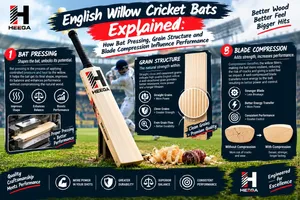 English Willow Cricket Bats Explained: How Bat Pressing, Grain Structure and Blade Compression Influence PerformanceLearn how English willow bat pressing, grain structure, and blade compression influence performance, durability, shot response, and bat selection.
 Cricket Shoes Explained: How Stud Patterns, Grip and Sole Design Affect Performance on Different PitchesLearn how cricket shoes, stud patterns, grip and sole design affect traction, stability, comfort and performance on grass, turf and artificial pitches.
 Kashmir Willow Cricket Bats: How Wood Density, Grain Patterns and Moisture Affect PerformanceDiscover how Kashmir Willow cricket bat density, grain patterns and moisture affect bat weight, balance, durability, and batting performance.