Wicket Keeping Gloves: How to Pick the Right Pair for Your Game

In the game of cricket, wicket-keeping is a specialized skill that demands agility, focus, and quick reflexes. The wicketkeeper is the backbone of the fielding unit, involved in almost every delivery. To perform this role effectively, the right wicket keeping gloves are essential.
These gloves are more than just protective gear — they are a performance tool. A good pair ensures comfort, grip, and safety, enabling the keeper to catch with confidence and reduce the risk of injury. But with so many options in the market, how do you choose the right pair? This ultimate guide will walk you through everything you need to know.
Why Wicket Keeping Gloves Matter
Wicket-keeping gloves are designed to:
- Protect fingers and palms from high-speed deliveries
- Provide better grip for catches and stumpings
- Offer cushioning to absorb the impact of fast balls
- Enhance flexibility for quick movements
Choosing the wrong gloves can lead to discomfort, missed catches, and even injuries.
Parts of Wicket Keeping Gloves
Before buying, it’s important to understand the components of the gloves:
- Cuffs: Provide wrist protection; available in long and short options
- Webbing: The mesh between the thumb and index finger for extra catching area
- Padding: Located inside the palm for shock absorption
- Palm Material: Usually made of high-quality leather for durability
- Finger End Caps: Added protection for fingertips
Types of Wicket Keeping Gloves
1. Professional Grade Gloves
- Made with premium leather
- High-density foam padding
- Designed for first-class and international cricket
2. Club or Intermediate Level Gloves
- Good quality leather or synthetic mix
- Decent padding and grip
- Ideal for advanced amateurs and semi-professional players
3. Junior Gloves
- Smaller size, lighter weight
- Extra padding for beginners
- Affordable and durable for young players
How to Choose the Right Pair
When buying wicket keeping gloves, consider these factors:
1. Size and Fit
The gloves should fit snugly, without being too tight or loose. A proper fit ensures better control and comfort.
Pro Tip: Try them on with inner gloves (if you plan to wear them) for the correct size.
2. Grip Quality
The grip is the most critical feature. Look for gloves with:
- High-quality leather palms
- Pimpled rubber facing for better ball control
3. Comfort and Flexibility
The gloves should allow easy movement for quick catches and stumpings. Lightweight gloves with breathable lining are best for long matches.
4. Padding and Protection
Ensure adequate padding on the palm and finger tips. Professional gloves often have extra protection in the thumb and forefinger.
5. Webbing
The webbing between the thumb and index finger helps in catching. Check if it’s strong and durable.
6. Brand and Quality
Stick to reputed brands like Heega, SG, SS, DSC, Puma for consistent quality.
Don’t compromise on your performance. Get the best wicket keeping gloves that provide unmatched grip, comfort, and protection.
Related posts
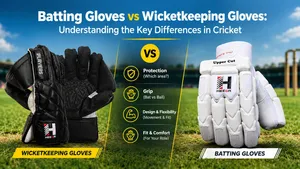 Batting Gloves vs Wicketkeeping Gloves: Understanding the Key Differences in CricketLearn the key differences between batting gloves and wicketkeeping gloves, including protection, grip, flexibility, design, fit, and their role in cricket.
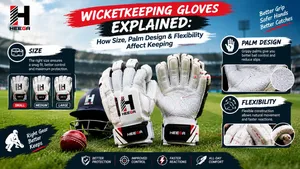 Wicketkeeping Gloves Explained: How Size, Palm Design & Flexibility Affect KeepingLearn how wicketkeeping glove size, palm design, flexibility, grip, and fit affect keeping performance, comfort, catching control, and confidence.
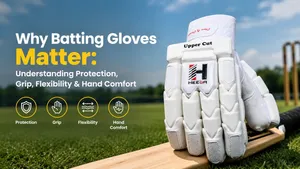 Why Batting Gloves Matter: Understanding Protection, Grip, Flexibility & Hand ComfortLearn why batting gloves matter for protection, grip, flexibility and comfort, plus how to choose the right cricket batting gloves for your playing level.