Every Seam Tells a Story – Understanding Ball Craftsmanship in Cricket

In cricket, the bat may steal the spotlight, but the ball is where the game begins and ends. The way it’s crafted — from its core to its seams — determines its behavior in the air, on the pitch, and in the hands of every bowler. Whether you're playing T20, ODIs, or Tests, understanding ball construction can help players and coaches choose the right one for the match and maximize performance.
The Anatomy of a Cricket Ball
A standard cricket ball might look simple, but it’s made up of multiple intricately constructed layers:
- Core (Center)
- Made from cork or cork mixed with rubber.
- Wrapped tightly in layers of yarn or string.
- Acts as the shock-absorbing engine of the ball, affecting bounce and balance.
- Leather Outer Cover
- Premium alum-tanned leather is used for durability.
- Dyed red, white, or pink depending on match type.
- Coated with polish or grease for shine and protection.
- Seam and Stitching
- The most critical part for swing and spin.
- Typically features six rows of prominent stitching.
- Hand-stitched balls offer superior performance and durability over machine-stitched ones.
The Science of Swing and Spin
The seam plays a pivotal role in how the ball behaves:
- A raised seam allows fast bowlers to swing the ball by disrupting air flow.
- Spinners rely on seam grip to impart turn on the pitch.
- In reverse swing, the wear and polish on either side of the seam becomes crucial.
Every stitch has a function — whether to grip the air or grip the pitch.
Weight & Shape Retention
According to ICC standards:
- A men's cricket ball should weigh between 155.9g and 163g.
- Shape retention is vital — quality balls undergo high-pressure molding to maintain symmetry even after 80+ overs.
Lower-quality balls tend to flatten or go out of shape quickly, affecting both bounce and trajectory.
Match Balls vs Practice Balls
Match Balls:
- Made with high-grade leather.
- Hand-stitched seams for durability.
- Designed to last longer and provide consistent performance.
Practice Balls:
- Machine-stitched or synthetic cover.
- Cost-effective but wear out faster.
- Ideal for nets, training, and beginners.
Choosing the right type depends on your purpose — don’t use match balls for practice and expect them to last!
Maintenance Matters
To maximize a cricket ball's lifespan:
- Store in a dry, cool place.
- Use a soft cloth to maintain shine.
- Apply grease or wax for red balls to maintain polish and prevent drying.
Pro teams even assign players to manage the ball during games — that’s how important it is!
Why Heega Cricket Balls Stand Out
- Premium, hand-selected leather
- Deep, symmetrical stitching for control
- Perfect weight balance
- Match and training options available
- Trusted by aspiring cricketers and clubs
Final Thoughts
A ball isn’t just part of the game — it defines the game. From the first swing to the final over, your performance depends on how the ball moves, behaves, and endures. That’s why investing in a well-crafted cricket ball, like those from Heega, means investing in better play, better practice, and better outcomes.
Heega – Engineered for Every Over.
Explore Heega Cricket Balls – Shop Now
Related posts
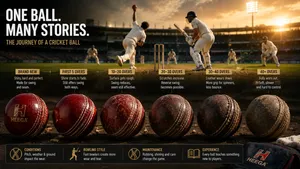 Why Every Cricket Ball Tells a Different Story: Understanding Ball Wear During a MatchDiscover how a cricket ball changes during a match and why ball wear affects batting, bowling, and fielding. Learn about swing, reverse swing, spin, seam wear, and ball management across Nepal, Germany, USA, Canada, the Netherlands, and the UK.
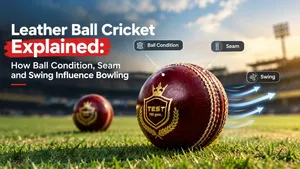 Leather Ball Cricket Explained: How Ball Condition, Seam and Swing Influence BowlingLearn how leather ball cricket works and how ball condition, seam position, shine, and swing influence bowling accuracy, movement, and performance.
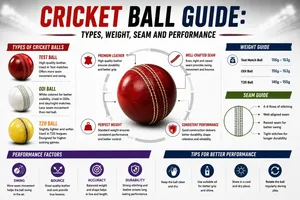 Cricket Ball Guide: Types, Weight, Seam and PerformanceExplore this cricket ball guide covering types, weight, construction, seam, performance, and tips to choose the right ball for matches and training.